Tishman's Zombie Woes


Another "biggest deal in history" is falling apart.

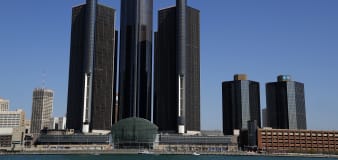
Back in 2007, when Tishman Speyer paid $1.7 billion for six office towers in Chicago's Loop, the local press proclaimed it the "biggest real estate deal in Chicago history." Now, a part of the $1.4 million package of loans on the properties is in default - and Tishman Speyer may be forced to pour more of its own money into the deal to keep the buildings running.

Tishman Speyer neatly illustrates the current troubles plaguing commercial real estate. At the height of the real estate bubble, the New York City-based developer and investor made a string of giant purchases. Back then, lenders offered easy real estate loans big enough to cover nearly the entire appraised value of a property - no matter how optimistic the appraisal. The interest rates were low and the underwriting was easy.

In 2007, Tishman Speyer paid $22.2 billion for Archstone-Smith, a luxury real estate investment trust that owned more than 86,000 apartments. That works out to $258,000 per apartment. Tishman hasn't shown signs of defaulting on this deal yet, but by buying near the peak of the craze of buying apartment buildings to flip to condominiums, the company probably paid far too much. Like many deal at the time, it was premised on the fact that prices would continue to go up. Average apartment prices have fallen ever since.

In 2006, Tishman Speyer bought Stuyvesant Town and Peter Cooper Village. It was the largest single residential real estate transaction in U.S. history, according to the company's website. But Tishman paid too much - $5.4 billion in 2006 for more than 11,000 apartments. That works out to more than $500,000 per apartment – a price that only makes sense if the apartments can be rented for much more than their current price. But because of local rent laws, it turns out the rents can't rise. The properties are now well on the way to foreclosure, according to bond-rating companies.

In 2005, Tishman Speyer spread into France, Australia, China, and India. We'll see if those investments do as well as its other ventures from the real estate boom.

During the real estate bubble, companies like Tishman had easy money from lenders to build or buy whatever they wanted. They built far more condominiums and offices than real estate markets would need for years and they bought buildings at prices that may never be justified by rents. Now that the bubble has burst, many of these buildings are likely to be handed over to the banks.

There's a name for such properties: "zombie buildings."
 

Add Your Comments


Please keep your comments relevant to this blog entry.Email addresses are never displayed, but they are required to confirm your comments. When you enter your name and email address, you'll be sent a link to confirm your comment, and a password. To leave another comment, just use that password.


To create a live link, simply type the URL(including http://) or email address and we will make it a live link for you. You can put up to 3 URLs in your comments. Line breaks and paragraphs are automatically converted - no need to use <p> or <br> tags.

Poll

Mortgage rates are at an all-time low. What's keeping you from buying?
Lender requirements are too strict. I can't qualify for a loan.5025 (39.5%)
I have to sell my current home first.4348 (34.2%)
You could bring the interest down to 0 percent -- I still couldn't afford the monthly payments.3359 (26.4%)
AOL RealEstate on Facebook