<?xml version="1.0"?>
<rss version="2.0" xmlns:dc="http://purl.org/dc/elements/1.1/">
<channel>
<title>AOL Real Estate - Blog</title>
<link>http://realestate.aol.com/blog</link>
<description>AOL Real Estate - Blog</description>
<image>
<url>http://realestate.aol.com/blog/media/feedlogo.gif</url>
<title>AOL Real Estate - Blog</title>
<link>http://realestate.aol.com/blog</link>
</image>
<language>en-us</language>
<copyright>Copyright 2013 Weblogs, Inc. The contents of this feed are available for non-commercial use only.</copyright>
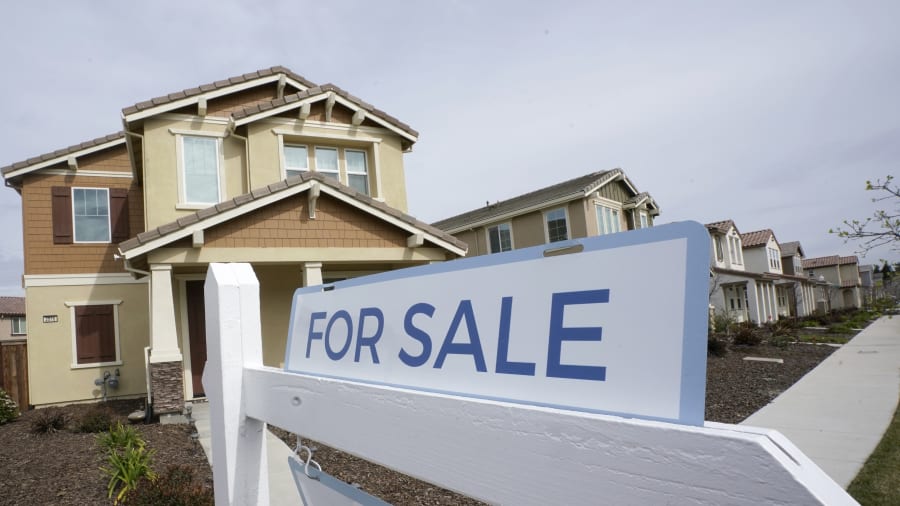
<generator>Blogsmith http://www.blogsmith.com/</generator><item><title>Foreclosures Fall, and Why That's Bad News</title><link>http://realestate.aol.com/blog/2011/02/10/foreclosures-fall-and-why-thats-bad-news/</link><guid isPermaLink="true">http://realestate.aol.com/blog/2011/02/10/foreclosures-fall-and-why-thats-bad-news/</guid><comments>http://realestate.aol.com/blog/2011/02/10/foreclosures-fall-and-why-thats-bad-news/#comments</comments><description><![CDATA[<img alt="foreclosures fall" src="http://www.blogcdn.com/realestate.aol.com/blog/media/2011/02/3407343448495460383em.jpg" style="border-width: 1px; border-style: solid; margin: 4px; float: left;" />Bad news: The number of <a class="inlinked" href="http://realestate.aol.com/foreclosures">foreclosure</a> actions taken by banks fell in January compared to the year before, according to the researchers at RealtyTrac. Foreclosures fall: bad news.<br />
<br />
Yes, you read that right. Banks seized fewer homes in January, and that's bad news for everyone. Here's how Rick Sharga, senior vice president with RealtyTrac, explains it:<br />
<br />
"With the number of <a class="inlinked" href="http://realestate.aol.com/foreclosures">foreclosures</a> falling, you would figure the housing market is on its way to recovery," said Sharga. "That's not the case. The number is artificially low... and that could extend the housing market's downturn."<br />
<br />
What's going on? The answer to this riddle gets to the heart of what's wrong with the housing markets.<br />
Not long ago, if a homeowner fell three months behind in his mortgage payments, that homeowner could expect to receive a letter called a Notice of Default that would begin the <a class="inlinked" href="http://realestate.aol.com/information/foreclosure-process">foreclosure process</a>. If the homeowner could not resolve the situation, the home would be seized some months later.<br />
<br />
That all stopped with the housing crash. There are now more than 4.4 million people who are
<style type="text/css">
#mini_module {width:265px;height:220px;border:none;float:left;margin:10px;font-size:12px;} #mini_module img {border:none;width:265px;height:131px;border:none;margin:0px;} #mini_module .mini_title {margin:0px;padding:0px;width:265px;height:131px;} #mini_module .mini_main {margin:0px;padding:0px;width:265px;height:85px;background: transparent url(http://www.aolcdn.com/travel/bg-short)} #mini_module .mini_item {padding:12px 0px;margin:0px 20px;border-bottom:1px dotted #CCCCCC;} #mini_module a {color:#49A3CA;text-decoration:none;} #mini_module a:hover {color:#F98419;text-decoration:underline;}</style>
<div id="mini_module">
	<div class="mini_title">
		<a href="http://rentedspaces.com/rentals" target="_blank"><img alt="foreclosures fall" src="http://www.aolcdn.com/travel/no_text" /></a></div>
	<div class="mini_main">
		<div class="mini_item">
			See <a href="http://rentedspaces.com/rentals?icid=plugin" target="_blank">photos of homes for sale </a> in your area and across the country on AOL Real Estate</div>
	</div>
</div>
more than 90 days late in their mortgage payments. Judging by recent statements from loan servicers, as many as half of them may have made no payments for more than a year. But only 2.2 million have even begun the <a class="inlinked" href="http://realestate.aol.com/information/foreclosure-process">foreclosure process</a>, <a href="http://www.mortgagebankers.org/NewsandMedia/PressCenter/74733.htm">according to the latest National Delinquency Survey from the Mortgage Bankers Association</a>.<br />
<br />
That means banks and loan servicers could probably send out 2.2 million default notices in February -- up from 75,000 in January! But that won't happen.<br />
<br />
"It's in nobody's interest to flush all these properties through the housing market all at one time," says Sharga. If banks seized and tried to sell all these properties at once, we would see another housing collapse.<br />
<br />
Instead, <a href="http://www.dailyfinance.com/search/?query=banks">banks and loans servicers</a> have been pacing themselves - seizing and selling properties, and recognizing the resulting losses on bank balance sheets, at a gradually accelerating rate of roughly 90,000-a-month over the last year.<br />
<br />
Here's the good news: 90,000-a-month or so is not enough foreclosed properties to tank the housing market. It's what Sharga calls "managing the inventory of foreclosed properties."<br />
<br />
Now here's the bad news: at that slow rate of <a class="inlinked" href="http://realestate.aol.com/foreclosures">foreclosure</a>, plus another 100,000 or so delinquent loans modified-a-month by banks, it will probably take at least two years to burn through the 4.4 million loans that are more than 90 days past due.<br />
<br />
Now the <a class="inlinked" href="http://realestate.aol.com/Pace-MS-foreclosures">pace of foreclosures</a> has slowed. Lenders and loan servicers took a total of 261,000 foreclosure actions in January, down 17 percent from the same time last year, though up slightly from December, <a href="http://www.realtytrac.com/content/press-releases/foreclosure-activity-increases-1-percent-in-january-6387">according to the latest report by data company RealtyTrac</a>. Banks actually seized 78,000 homes in foreclosure, down 11 percent from last year.<br />
<br />
It would be great news if some fundamental change had improved the housing markets - but there are still more than 4 million people more than 90 days late on their home loans.<br />
<br />
Instead the bank and loan servicers <a href="http://www.foxbusiness.com/markets/2011/02/01/robo-signing-settlement-hits-snag/">have run into steep legal problems</a> - they cut corners in the foreclosure process, and now must defend themselves against a swarm of lawsuits and go back over the details of <a class="inlinked" href="http://realestate.aol.com/foreclosures">foreclosures</a> that were supposedly completed.<br />
<br />
Meanwhile, millions of delinquent borrowers continue to wait in limbo for the foreclosure notice that might come today... or tomorrow... or next year. At the same time prospective homebuyers struggle to make sense of the conflicting data.<br />
<br />
Hopefully, banks will put more energy into modifying troubled loans, essentially creating a payment plan for troubled borrowers, now that the foreclosure process is failing them. In the meantime, the housing markets in foreclosure towns such as Las Vegas and Phoenix continue to sag under the weight of troubled loans.<br />
<br />
Says Sharga, "The housing market is not going to come back as long as there is an overhang of distressed properties."<br />
<br />
<i><span class="150331117-23082010"><em><span class="150331117-23082010"><em><span class="150331117-23082010"><em>For more on mortgages and related topics see these </em></span><span class="150331117-23082010"><em>AOL <a href="http://realestate.aol.com/" target="_blank">Real Estate</a> </em></span><span class="150331117-23082010"><em>guides:<br />
</em> </span></em></span></em></span></i>
<ul>
	<li>
		<i><span class="150331117-23082010"><em><span class="150331117-23082010"><em><span class="150331117-23082010"><a href="http://realestate.aol.com/blog/2010/10/27/spot-foreclosure-rescue-scammers-before-they-spot-you/">Stop Foreclosure Scammers Before They Scam You</a></span></em></span></em></span></i></li>
	<li>
		<i><span class="150331117-23082010"><em><span class="150331117-23082010"><em><span class="150331117-23082010"><em><a href="http://realestate.aol.com/blog/2010/06/24/how-to-get-a-low-mortgage-rate/">How to Get a Low Mortgage Rate</a></em></span></em></span></em></span></i></li>
	<li>
		<i><span class="150331117-23082010"><em><span class="150331117-23082010"><em><span class="150331117-23082010"><i><a href="http://realestate.aol.com/blog/2010/09/14/guide-to-mortgage-terms/">Mortgage Jargon in Simple Terms</a></i></span></em></span></em></span></i></li>
	<li>
		<i><span class="150331117-23082010"><em><span class="150331117-23082010"><em><span class="150331117-23082010"><em><a href="http://realestate.aol.com/blog/2010/06/29/how-much-home-can-i-afford/">How Much Home Can I Afford?</a></em></span></em></span></em></span></i></li>
	<li>
		<i><span class="150331117-23082010"><em><span class="150331117-23082010"><em><span class="150331117-23082010"><a href="http://realestate.aol.com/blog/2010/08/16/how-to-buy-foreclosures/">How to Buy Foreclosures</a></span></em></span></em></span></i></li>
	<li>
		<i><span class="150331117-23082010"><em><span class="150331117-23082010"><em><span class="150331117-23082010"><a href="http://realestate.aol.com/blog/2010/07/02/closing-costs-how-much-to-budget/">Closing Costs: How Much to Budget</a></span></em></span></em></span></i></li>
	<li>
		<i><span class="150331117-23082010"><em><span class="150331117-23082010"><em><span class="150331117-23082010"><a href="http://realestate.aol.com/blog/2010/06/25/guide-to-settlement-and-escrow/">Guide to Settlement and Escrow</a></span></em></span></em></span></i></li>

</ul><p style="clear: both; padding: 8px 0 0 0; height: 2px; font-size: 1px; border: 0; margin: 0; padding: 0;">&nbsp;</p><p><a href="http://realestate.aol.com/blog/2011/02/10/foreclosures-fall-and-why-thats-bad-news/" rel="bookmark" title="Permanent link to this entry">Permalink</a>&nbsp;|&nbsp;<a href="http://realestate.aol.com/blog/forward/19837858/" title="Send this entry to a friend via email">Email this</a>&nbsp;|&nbsp;<a href="http://realestate.aol.com/blog/2011/02/10/foreclosures-fall-and-why-thats-bad-news/#comments" title="View reader comments on this entry">Comments</a></p>]]></description><category>foreclosed homes</category><category>foreclosure actions</category><category>realtytrac</category><category>Rick Sharga</category><dc:creator>Bendix Anderson</dc:creator><dc:date>2011-02-10T10:36:00 00:00</dc:date></item><item><title>Home Foreclosures Roll on at Record Rates</title><link>http://realestate.aol.com/blog/2010/11/11/home-foreclosures-roll-on-at-record-rates/</link><guid isPermaLink="true">http://realestate.aol.com/blog/2010/11/11/home-foreclosures-roll-on-at-record-rates/</guid><comments>http://realestate.aol.com/blog/2010/11/11/home-foreclosures-roll-on-at-record-rates/#comments</comments><description><![CDATA[<p>Filed under: <a href="http://realestate.aol.com/blog/category/news/" rel="tag">News</a></p><a href="http://www.flickr.com/photos/84529865@N00/2361062195/sizes/s/" target="_blank"><img src="http://www.blogcdn.com/realestate.aol.com/blog//media/2010/11/236106219503126c0159m.jpg" style="border-width: 1px; border-style: solid; margin: 9px; float: left;" /></a><a class="inlinked" href="http://realestate.aol.com/foreclosures">Foreclosure</a> -- the beast that is eating the housing market -- barely paused in October, despite the latest housing scandal.<br />
<br />
Experts thought foreclosures <a href="http://www.pbs.org/newshour/bb/business/july-dec10/foreclosures_10-06.html">might go into hibernation</a> after lenders botched thousands of foreclosures with skipped steps and faulty documentation. In at least one case, a single bank official signed as many as 8,000 foreclosures a month, falsely claiming to have "personal knowledge" of each bad loan.<br />
<br />
But banks keep seizing homes at close to record rates.<style type="text/css">
#mini_module { width: 265px; height:200px; border: none; float:left; margin:10px; font-size:12px;} #mini_module img {border:none; width: 265px; height:131px; border: none; margin:0px; } #mini_module .mini_title { margin: 0px; padding:0px; width:265px; height:131px;} #mini_module .mini_main { margin: 0px; padding:0px; width:265px; height:85px; background: transparent url(http://www.aolcdn.com/travel/bg-short)} #mini_module .mini_item {padding:12px 0px; margin: 0px 20px; border-bottom:1px dotted #CCCCCC;} #mini_module a { color: #49A3CA; text-decoration:none; } #mini_module a:hover { color: #F98419; text-decoration:underline;}</style>
<br />
The robo-signing scandal <a>broke in late September</a>, but lenders foreclosed on 93,000 U.S. properties in October, according to <a class="inlinked" href="http://realestate.aol.com/foreclosures">foreclosure</a> research from <a>RealtyTrac</a>. That's down about a little from the record high rate in September, but still up by more than a fifth from a year ago.<br />
<br />
"The controversy won't cause as much of a drop-off in foreclosures as anyone anticipated," says Rick Sharga, senior vice president for RealtyTrac. "It will almost be over before it started."<br />
<br />
<br />
<strong> What's Going On?</strong><br />
<br />
First, the robo-signing scandal did have some effect on the rate of foreclosures. "The only reason we saw a drop of nine percent in October is because of the robo-signing issue," says Sharga. He expects the rate of <span class="inlinked">home foreclosures</span> to slow even more in November because of the controversy over foreclosures.<br />
<br />
<div id="mini_module">
	<div class="mini_title">
		<a href="http://realestate.aol.com" target="_blank"><img alt="Real Estate" src="http://www.aolcdn.com/travel/no_text" /></a></div>
	<div class="mini_main">
		<div class="mini_item">
			<b>Essential How-To Guides on AOL Real Estate: </b><a href="http://realestate.aol.com/information/buy" target="_blank">Home Buying</a>, <a href="http://realestate.aol.com/information/sell" target="_blank">Selling</a>, <a href="http://realestate.aol.com/information/rent" target="_blank">Renting</a>, <a href="http://realestate.aol.com/information/move" target="_blank">Moving</a> and <a href="http://realestate.aol.com/information/improve" target="_blank">Home Improvement</a></div>
	</div>
</div>
But only a few thousand scheduled foreclosures have been seriously delayed. More than 90,000 homes were seized as scheduled, more or less, in October. Another 90,000 or so homes are likely to be seized in November.<br />
<br />
Also, the delays won't last. These few thousand homes have been through most of the stages of <span class="inlinked">foreclosure</span> already, and the <span class="inlinked">foreclosures are likely</span> to be completed soon. The rate of home seizures is likely to creep upward once again to approach 100,000.<br />
<br />
All three major loan servicers who announced that they would stop seizing homes in the wake of the scandal have begun seizing homes again. That's in part because of the condition of the loans in question. "Many homeowners hadn't made a payment in 12 to 16 months," says Sharga. In these cases, it quickly became clear that the homes would be seized by the banks, the only question was whether the proper process had been followed.<br />
<br />
The banks will suffer consequences for screwing up process for thousands of foreclosures, even though the actual foreclosures are very unlikely to be reversed or seriously challenged. "You will see ramifications long after," says Sharga. "There may be massive fines leveed against the servicers by the U.S. attorney general. Maybe even criminal charges."<br />
<br />
<br />
<strong> In the Future: More of the Same</strong><br />
<br />
The rate of <span class="inlinked">foreclosures is not likely</span> to change much for the next two years, despite shocks and surprises like the robo-signing scandal.<br />
<br />
Banks seem to be managing the rate that they take properties in foreclosure -- seizing and selling about as many properties as they can without driving housing prices lower, says Sharga.<br />
<br />
More than 5 million homeowners are more than 60 days late in paying their mortgage -- but only 1.2 million of them have actually received the "letter of default" from a lender that starts the <a class="inlinked" href="http://realestate.aol.com/information/foreclosure-process">foreclosure process</a>, according to RealtyTrac. The vast majority are hanging in a kind of late-payment limbo -- they may not have made a mortgage payment in more than a year, but they haven't officially started the <span class="inlinked">foreclosure process</span>.<br />
<br />
"You probably know someone who hasn't made a payment in a year but hasn't gone into foreclosure yet," says Sharga.<br />
<br />
Banks are sending out roughly 100,000 letters of default a month on these 5 million. Banks also seized properties in foreclosure at an average rate of 91,000 a month throughout 2010, from January through October. The rate has crept upward a few thousand at a time -- just enough to set new records, but not enough to take a big bite out of the inventory of seriously delinquent loans.<br />
<br />
At this rate -- plus loans that are successfully modified, minus new loans that slip into deliquency -- it will take all of 2011 and much of 2012 and even some of 2013 to work through the millions of very delinquent <a class="inlinked" href="http://realestate.aol.com/information/explanation-mortgage-types">mortgages</a>.<br />
<br />
The good news is that if banks continue to foreclose homes a little at a time, as they have been doing for the last year, then home prices are probably going to stay about where they have been for the last year: stagnant in most markets -- but not crashing in a new housing collapse. Banks certainly aren't likely to seize all 5 million seriously delinquent homes at once and flood the housing markets with foreclosed homes.<br />
<br />
Says Sharga, "That would be self-destructive."<br />
<br />
<span class="Apple-style-span" style="font-size: 12.1528px;"><i><span class="150331117-23082010"><em><span class="150331117-23082010"><em><span class="150331117-23082010"><em>For more on related topics see these </em></span><span class="150331117-23082010"><em>AOL <a href="http://realestate.aol.com/" target="_blank">Real Estate</a> </em></span><span class="150331117-23082010"><em>guides:</em></span></em></span></em></span></i></span><br />
<ul style="color: rgb(34, 34, 34); font-family: Arial,Verdana,sans-serif; font-size: 12.1528px;">
	<li>
		<i><span class="150331117-23082010"><em><span class="150331117-23082010"><em><span class="150331117-23082010"><a href="http://realestate.aol.com/blog/2010/10/27/spot-foreclosure-rescue-scammers-before-they-spot-you/">Stop Foreclosure Rescue Scammers Before They Scam You</a></span></em></span></em></span></i></li>
	<li>
		<i><span class="150331117-23082010"><em><span class="150331117-23082010"><em><span class="150331117-23082010"><a href="http://realestate.aol.com/blog/2010/10/25/foreclosure-help-what-a-housing-counselor-can-do/">Foreclosure Help: What a Housing Counselor Can Do</a></span></em></span></em></span></i></li>
	<li>
		<i><span class="150331117-23082010"><em><span class="150331117-23082010"><em><span class="150331117-23082010"><i><a href="http://realestate.aol.com/blog/2010/09/14/guide-to-mortgage-terms/">Mortgage Jargon in Simple Terms</a></i></span></em></span></em></span></i></li>
	<li>
		<i><span class="150331117-23082010"><em><span class="150331117-23082010"><em><span class="150331117-23082010"><em><a href="http://realestate.aol.com/blog/2010/06/29/how-much-home-can-i-afford/">How Much Home Can I Afford?</a></em></span></em></span></em></span></i></li>
	<li>
		<i><span class="150331117-23082010"><em><span class="150331117-23082010"><em><span class="150331117-23082010"><a href="http://realestate.aol.com/blog/2010/08/16/how-to-buy-foreclosures/">How to Buy Foreclosures</a></span></em></span></em></span></i></li>
</ul>
<br />
<span class="Apple-style-span" style="color: rgb(34, 34, 34); font-family: Arial,Verdana,sans-serif; font-size: 12.1528px;"><em>More on AOL <a class="inlinked" href="http://realestate.aol.com/">Real Estate</a>:<br />
Find out how to <a class="inlinked" href="http://realestate.aol.com/mortgage-calculator?flv=1">calculate mortgage</a> payments.<br />
Find <a class="inlinked" href="http://realestate.aol.com/homes-for-sale">homes for sale</a> in your area.<br />
Find <a class="inlinked" href="http://realestate.aol.com/foreclosures">foreclosures</a> in your area.<br />
Get <a class="inlinked" href="http://realestate.aol.com/tax-advice/top-tax-deductions-by-room">property tax help</a> from our experts.</em></span><p style="clear: both; padding: 8px 0 0 0; height: 2px; font-size: 1px; border: 0; margin: 0; padding: 0;">&nbsp;</p><p><a href="http://realestate.aol.com/blog/2010/11/11/home-foreclosures-roll-on-at-record-rates/" rel="bookmark" title="Permanent link to this entry">Permalink</a>&nbsp;|&nbsp;<a href="http://realestate.aol.com/blog/forward/19712711/" title="Send this entry to a friend via email">Email this</a>&nbsp;|&nbsp;<a href="http://realestate.aol.com/blog/2010/11/11/home-foreclosures-roll-on-at-record-rates/#comments" title="View reader comments on this entry">Comments</a></p>]]></description><category>foreclosed homes</category><category>foreclosure crisis</category><category>realtytrac</category><category>Rick Sharga</category><dc:creator>Bendix Anderson</dc:creator><dc:date>2010-11-11T13:30:00 00:00</dc:date></item><item><title>Mortgage Rates: Stimulus to Hold Them Low</title><link>http://realestate.aol.com/blog/2010/11/05/mortgage-rates-stimulus-will-keep-them-low/</link><guid isPermaLink="true">http://realestate.aol.com/blog/2010/11/05/mortgage-rates-stimulus-will-keep-them-low/</guid><comments>http://realestate.aol.com/blog/2010/11/05/mortgage-rates-stimulus-will-keep-them-low/#comments</comments><description><![CDATA[<p>Filed under: <a href="http://realestate.aol.com/blog/category/news/" rel="tag">News</a>,<a href="http://realestate.aol.com/blog/category/economy/" rel="tag">Economy</a></p><a href="http://www.flickr.com/photos/epicharmus/2397332061/"><img hspace="4" vspace="4" border="1" align="left" alt="" src="http://www.blogcdn.com/realestate.aol.com/blog//media/2010/11/2397332061aa64490dfem.jpg" /></a>Interest rates can't stay low forever -- but mortgage watchers now expect rates under 5 percent for the next year, thanks in part to "quantitative easing," the latest scheme from the Federal Reserve to stimulate the economy.<br />
<br />
The average rate on a 30-year, fixed-rate mortgage was just 4.23 percent with a 0.8 percent origination fee, <a href="http://www.freddiemac.com/pmms/release.html?week=44&amp;year=2010">according to the latest Primary Mortgage Market Survey</a> from Freddie Mac. That's just a hair above the record low set a few weeks ago.<br />
<br />
"I think rates are going to do about what they are doing now," said Amy Crews Cutts, Freddie Mac's deputy chief economist.<style type="text/css"> #mini_module { width: 265px; height:220px; border: none; float:left; margin:10px; font-size:12px;} #mini_module img {border:none; width: 265px; height:131px; border: none; margin:0px; } #mini_module .mini_title { margin: 0px; padding:0px; width:265px; height:131px;} #mini_module .mini_main { margin: 0px; padding:0px; width:265px; height:85px; background: transparent url(http://www.aolcdn.com/travel/bg-short)} #mini_module .mini_item {padding:12px 0px; margin: 0px 20px; border-bottom:1px dotted #CCCCCC;} #mini_module a { color: #49A3CA; text-decoration:none; } #mini_module a:hover { color: #F98419; text-decoration:underline;} </style> <strong><br />
<br />
The latest stimulus<br />
</strong><br />
So what is quantitative easing? It basically means "printing money." The Federal Reserve is planning to create $600 billion in new dollars that it will release into the economy by buying up Treasury bonds.<br />
<br />
The goal is to pump new dollars into the economy and fight falling prices. <br />
<br />
The economy is now dangerously close to price deflation -- the overall rate of inflation is close to zero. Deflation could create a cycle of falling prices, falling wages and even more <a class="inlinked" href="http://jobs.aol.com/hub/on-the-job">job</a> losses. Japan suffered through a deflationary cycle like this in the 1990s. It lasted more than 10 years.<br />
<br />
<div id="mini_module">
<div class="mini_title"><a target="_blank" href="http://realestate.aol.com"><img alt="Real Estate" src="http://www.aolcdn.com/travel/no_text" /></a></div>
<div class="mini_main">
<div class="mini_item"><b>Essential How-To Guides on AOL Real Estate: </b><a target="_blank" href="http://realestate.aol.com/information/buy">Home Buying</a>, <a target="_blank" href="http://realestate.aol.com/information/sell">Selling</a>, <a target="_blank" href="http://realestate.aol.com/information/rent">Renting</a>, <a target="_blank" href="http://realestate.aol.com/information/move">Moving</a> and <a target="_blank" href="http://realestate.aol.com/information/improve">Home Improvement</a></div>
</div>
</div>
For another example of the danger of deflation, look at housing. Falling <a class="inlinked" href="http://realestate.aol.com/information/home-prices">home prices</a> have created chaos in <a class="inlinked" href="http://realestate.aol.com/Many-LA-homes-for-sale">many housing</a> markets. To keep deflation from poisoning the rest of the economy, the federal government is trying to raise the annual rate of inflation to its target of 2 percent. <br />
<br />
"When the government prints money, inflation will follow," said Cutts.<br />
<br />
<br />
<strong>What could go wrong?<br />
</strong><br />
Printing money brings to mind memories of governments on the brink of collapse and hyperinflation, like Germany in the 1920s. But federal officials say if the goal is to prevent the U.S. dollar from getting too strong in comparison to the price of goods and services, then printing money to purposefully weaken the dollar is one of very few reasonable choices.<br />
<br />
Some economists also worry about other unintended negative consequences -- or no consequences at all. For example, investors might take the Fed's newly minted dollars and send them oversees, to markets with higher interest rates and investor yields, diluting the impact of the program and creating new bubbles in those economies. Emerging market countries could also retaliate with trade sanctions against a weaker American dollar that is less able to buy their cheap foreign goods. China, in particular, remains difficult to predict.<br />
<br />
The Fed's quantitative easing program could also be too small to shift the U.S. economy decisively back toward growth. After all, the Fed already tried something like this during the financial crisis. They created $1.7 trillion and used it to buy bonds, mostly mortgage-backed securities issued by Fannie Mae and Freddie Mac. The purchases stabilized the price of the mortgage bonds, but the overall economy remains stubbornly weak. We were spared from deflation, but neither was there an economic recovery with real job growth.<br />
<br />
<br />
<strong>Low interest rates through quantitative easing<br />
</strong><br />
Quantitative easing should help keep interest rates low -- though in the short term, interest rates are as likely to twitch upward as they are to twitch down -- and rates are unlikely to fall significantly lower, said Cutts. Freddie Mac predicted, <a href="http://www.freddiemac.com/news/finance/">in its latest October Outlook</a>, that average rates will stay well below 5 percent for the next 12 months, though its forecast was issued before the Fed announcement. "Will interest rates drop below 4 percent? That's unlikely," said Cutts.<br />
<br />
That's because the ingredients that make up mortgage interest rates are now about as low as they are ever likely to get. The yield on 10-year Treasuries was <a href="http://finance.yahoo.com/q?s=%5ETNX">about 2.5 percent as of Nov. 4</a>, close to its lowest rate in four decades. The yield on mortgage bonds is not much higher. Bank and servicer fees are also relatively low compared to what banks charged during the crisis.<br />
<br />
Cutts herself recently locked in an interest rate on the <a class="inlinked" href="http://realestate.aol.com/refinance-mortgage">refinancing</a> of her own mortgage, rather than gamble on rates falling again. "Don't be greedy," she advises mortgage borrowers. "Don't worry about playing the market."<br />
<span class="150331117-23082010"><em><br />
For more insight on mortgages and refinancing see these </em></span><span class="150331117-23082010"><em>AOL <a target="_blank" href="http://realestate.aol.com/">Real Estate</a></em><em> </em></span><span class="150331117-23082010"><em>guides:<br />
</em>
<ul>
    <li><em><a href="http://realestate.aol.com/blog/2010/06/24/how-to-get-a-low-mortgage-rate/">How to Get a Low Mortgage Rate</a></em></li>
    <li><a href="http://realestate.aol.com/blog/2010/09/14/guide-to-mortgage-terms/"><em>Mortgage Jargon in Simple Terms</em></a><em><br />
    </em></li>
    <li><a href="http://realestate.aol.com/blog/2010/06/25/refinancing-dos-and-donts/"><em>Refinancing Do's and Don'ts</em></a><i><br />
    </i></li>
    <li><a href="http://cms.aol.com/content/posts/edit/675/19682635/"><em>Time to Refinance? 4 Questions to Ask</em></a></li>
    <li><em><a href="http://realestate.aol.com/blog/2010/06/25/four-ways-to-benefit-from-a-cash-in-refinance/">Four Ways to Benefit From a Cash-In Refinance</a></em></li>
</ul>
<em><br />
More on AOL </em><a class="inlinked" href="http://realestate.aol.com/"><em>Real Estate</em></a><em>:<br />
Find out how to </em><a class="inlinked" href="http://realestate.aol.com/mortgage-calculator?flv=1"><em>calculate mortgage</em></a><em> payments.<br />
Find </em><a class="inlinked" href="http://realestate.aol.com/homes-for-sale"><em>homes for sale</em></a><em> in your area.<br />
Find </em><a class="inlinked" href="http://realestate.aol.com/foreclosures"><em>foreclosures</em></a><em> in your area.<br />
Get </em><a class="inlinked" href="http://realestate.aol.com/tax-advice/top-tax-deductions-by-room"><em>property tax help</em></a><em> from our experts.</em><br type="_moz" />
</span><p style="clear: both; padding: 8px 0 0 0; height: 2px; font-size: 1px; border: 0; margin: 0; padding: 0;">&nbsp;</p><p><a href="http://realestate.aol.com/blog/2010/11/05/mortgage-rates-stimulus-will-keep-them-low/" rel="bookmark" title="Permanent link to this entry">Permalink</a>&nbsp;|&nbsp;<a href="http://realestate.aol.com/blog/forward/19701718/" title="Send this entry to a friend via email">Email this</a>&nbsp;|&nbsp;<a href="http://realestate.aol.com/blog/2010/11/05/mortgage-rates-stimulus-will-keep-them-low/#comments" title="View reader comments on this entry">Comments</a></p>]]></description><category>federal reserve</category><category>interest rates</category><category>mortgage</category><category>quantative easing</category><dc:creator>Bendix Anderson</dc:creator><dc:date>2010-11-05T17:24:00 00:00</dc:date></item><item><title>Foreclosure Listings: Same Cities in Top 10</title><link>http://realestate.aol.com/blog/2010/10/28/foreclosure-listings-cities-with-most-stay-the-same/</link><guid isPermaLink="true">http://realestate.aol.com/blog/2010/10/28/foreclosure-listings-cities-with-most-stay-the-same/</guid><comments>http://realestate.aol.com/blog/2010/10/28/foreclosure-listings-cities-with-most-stay-the-same/#comments</comments><description><![CDATA[<p>Filed under: <a href="http://realestate.aol.com/blog/category/news/" rel="tag">News</a>,<a href="http://realestate.aol.com/blog/category/economy/" rel="tag">Economy</a></p><img vspace="4" hspace="4" border="1" align="left" alt="" src="http://www.blogcdn.com/realestate.aol.com/blog//media/2010/10/picture-4.jpg" /> After years of <a class="inlinked" href="http://realestate.aol.com/foreclosures">foreclosures</a> and <a class="inlinked" href="http://realestate.aol.com/article/_a/home-auctions-and-foreclosure-auctions/20080806124209990001">foreclosure auctions</a>, why do the same few places still have the most <a class="inlinked" href="http://realestate.aol.com/foreclosures">foreclosures</a>?<br />
<br />
The top 10 list of housing markets with the highest rates of <a class="inlinked" href="http://realestate.aol.com/foreclosures">foreclosure</a> actions is almost exactly the same as it was last year, according to the third quarter list from RealtyTrac. Las Vegas is still followed by a familiar list of sprawl towns in California, Florida and Arizona.<br />
<br />
But it's not just the same cities still suffering from <a class="inlinked" href="http://realestate.aol.com/foreclosures">foreclosures</a> -- it's often the same neighborhoods. In mid-2009, one of every four homes was in <a class="inlinked" href="http://realestate.aol.com/foreclosures">foreclosure</a> in a single zip code on the northeast fringe of Phoenix. There, hundreds of empty, <a class="inlinked" href="http://realestate.aol.com/new-homes">new homes</a> lined freshly laid streets with names like Tombstone Trail and Desperado Way. A full year later, one in four homes in that zip code were still in foreclosure.<br />
<br />
"In some cases, it might actually be the same houses," says Rick Sharga senior vice president for RealtyTrac.<style type="text/css"> #mini_module { width: 265px; height:220px; border: none; float:left; margin:10px; font-size:12px;} #mini_module img {border:none; width: 265px; height:131px; border: none; margin:0px; } #mini_module .mini_title { margin: 0px; padding:0px; width:265px; height:131px;} #mini_module .mini_main { margin: 0px; padding:0px; width:265px; height:85px; background: transparent url(http://www.aolcdn.com/<a  class="inlinked" href="http://travel.aol.com/" _fcksavedurl="http://travel.aol.com/">travel</a>/bg-short)} #mini_module .mini_item {padding:12px 0px; margin: 0px 20px; border-bottom:1px dotted #CCCCCC;} #mini_module a { color: #49A3CA; text-decoration:none; } #mini_module a:hover { color: #F98419; text-decoration:underline;} </style><br />
Loans servicers are taking a tremendously long time to process and sell the homes now in foreclosure -- periods from 200 to 400 days are common. In New York State, 600 days is the average, Sharga said. <br />
<br />
Banks have picked up the pace this year. The rate of foreclosure actions has stayed relentlessly high at roughly a third of a million foreclosure actions a month, including close to 100,000 foreclosure sales a month. <br />
<br />
<div id="mini_module">
<div class="mini_title"><a target="_blank" href="http://realestate.aol.com/homes-for-sale"><img alt="Search Homes for Sale" src="http://www.aolcdn.com/travel/search_homes" /></a></div>
<div class="mini_main">
<div class="mini_item">Browse through photos of millions of <a target="_blank" href="http://realestate.aol.com/homes-for-sale">home listings</a> or search <a target="_blank" href="http://realestate.aol.com/foreclosures">foreclosure listings</a></div>
</div>
</div>
Sharga expects the rate to stay high. But even with all these actions, progress is slow in clearing away the foreclosure mess. There are now 1.2 homes currently in foreclosure, says Sharga. Another 5 million homes are currently seriously delinquent, with payments more than 60 days late.<br />
<br />
It will take at least two years to process all the bad loans now in the foreclosure pipeline -- and throughout that period the more or less steady flow of foreclosed properties into the housing market will be a constant weight on housing prices, especially in the neighborhoods with the most foreclosures.<br />
<br />
To make matters worse, new waves of loans are now becoming delinquent. Sharga has predicted three <a class="inlinked" href="http://realestate.aol.com/Waves-NC-foreclosures">waves of foreclosures</a>:
<ul>
    <li>the original wave of foreclosures caused by toxic <a class="inlinked" href="http://realestate.aol.com/information/explanation-mortgage-types">mortgages</a> and the overbuilding of overpriced houses;</li>
    <li>foreclosures caused by <a class="inlinked" href="http://jobs.aol.com/hub/unemployment">unemployment</a> created in the recession;</li>
    <li>foreclosures on adjustable-rate <a class="inlinked" href="http://realestate.aol.com/information/explanation-mortgage-types">mortgages</a> that will soon reach the end of their term.</li>
</ul>
<br />
The same neighborhoods keep getting damaged by these successive <a class="inlinked" href="http://realestate.aol.com/Waves-NC-foreclosures">waves. Foreclosure</a> areas where <a class="inlinked" href="http://realestate.aol.com/home-values">property values</a> fell the most in the first wave are the areas that have more homeowners who can't sell if they lose their <a class="inlinked" href="http://jobs.aol.com/it-jobs">jobs</a> and can't refinance at the end of their loan terms.<br />
<br />
Neighborhoods where foreclosure problems go on for years can fall into a cycle of decay, according to foreclosure experts. Homes that sit empty are often vandalized and become increasingly difficult to sell. (Also see: <a href="http://www.housingwatch.com/2010/10/27/foreclosure-buybacks-stabilize-illinois-town/">"Foreclosures: Illinois Town Invests in Them."</a>)<br />
<br />
In the hardest hit neighborhoods, it's not clear how many of these homes will eventually find buyers, even once the housing market recovers. "A lot of the vacant homes are in places people don't want to live," says Sharga. "There are probably some of these ex-urban communities where the excess inventory of houses is going to be bulldozed," he said. <br />
<br />
Other empty homes will find new uses. Tens of thousands of investors are now buying foreclosed houses to be rented out, according to Sharga. Also, nonprofit community groups are using subsidies like the federal <a href="http://www.hud.gov/offices/cpd/communitydevelopment/programs/neighborhoodspg/">Neighborhood Stabilization Program</a> to buy foreclosed homes and sell them at prices low enough so that families with modest incomes can qualify for a mortgage -- even with today's tough income standards.<br />
<br />
<i><span class="150331117-23082010"><em><span class="150331117-23082010"><em><span class="150331117-23082010"><em>For more on foreclosures, mortgages and related topics see these </em></span><span class="150331117-23082010"><em>AOL <a target="_blank" href="http://realestate.aol.com/">Real Estate</a> </em></span><span class="150331117-23082010"><em>guides:<br />
</em>
<ul>
    <li><a href="http://realestate.aol.com/blog/2010/10/27/spot-foreclosure-rescue-scammers-before-they-spot-you/">Stop Foreclosure Scammers Before They Scam You</a></li>
    <li><a href="http://realestate.aol.com/blog/2010/10/25/foreclosure-help-what-a-housing-counselor-can-do/">Foreclosure Help: What a Housing Counselor Can Do</a></li>
    <li><i><a href="http://realestate.aol.com/blog/2010/09/14/guide-to-mortgage-terms/">Mortgage Jargon in Simple Terms</a></i></li>
    <li><a href="http://realestate.aol.com/blog/2010/08/16/how-to-buy-foreclosures/">How to Buy Foreclosures</a></li>
</ul>
</span></em></span></em></span></i> <br />
<em>More on AOL <a class="inlinked" href="http://realestate.aol.com/">Real Estate</a>:<br />
Find out how to <a class="inlinked" href="http://realestate.aol.com/mortgage-calculator?flv=1">calculate mortgage</a> payments.<br />
Find <a class="inlinked" href="http://realestate.aol.com/homes-for-sale">homes for sale</a> in your area.<br />
Find <a class="inlinked" href="http://realestate.aol.com/foreclosures">foreclosures</a> in your area.<br />
Get <a class="inlinked" href="http://realestate.aol.com/tax-advice/top-tax-deductions-by-room">property tax help</a> from our experts.</em><p style="clear: both; padding: 8px 0 0 0; height: 2px; font-size: 1px; border: 0; margin: 0; padding: 0;">&nbsp;</p><p><a href="http://realestate.aol.com/blog/2010/10/28/foreclosure-listings-cities-with-most-stay-the-same/" rel="bookmark" title="Permanent link to this entry">Permalink</a>&nbsp;|&nbsp;<a href="http://realestate.aol.com/blog/forward/19692693/" title="Send this entry to a friend via email">Email this</a>&nbsp;|&nbsp;<a href="http://realestate.aol.com/blog/2010/10/28/foreclosure-listings-cities-with-most-stay-the-same/#comments" title="View reader comments on this entry">Comments</a></p>]]></description><category>foreclosures</category><category>realtytrac</category><category>Rick Sharga</category><dc:creator>Bendix Anderson</dc:creator><dc:date>2010-10-28T17:37:00 00:00</dc:date></item><item><title>Buying Foreclosures: Do You Own the Title?</title><link>http://realestate.aol.com/blog/2010/10/26/buying-a-foreclosed-home-do-you-own-the-title/</link><guid isPermaLink="true">http://realestate.aol.com/blog/2010/10/26/buying-a-foreclosed-home-do-you-own-the-title/</guid><comments>http://realestate.aol.com/blog/2010/10/26/buying-a-foreclosed-home-do-you-own-the-title/#comments</comments><description><![CDATA[<a target="_blank" href="http://www.flickr.com/photos/kevglobal/2928316482/sizes/m/in/photostream/"><img vspace="4" hspace="4" border="1" align="left" alt="" src="http://www.blogcdn.com/realestate.aol.com/blog//media/2010/10/title.jpg" /></a>Suppose you bought a foreclosed house and moved in with your family. You loved your new home -- until this month, when news broke that major banks had screwed up thousands of <a class="inlinked" href="http://realestate.aol.com/foreclosures">foreclosures</a> by rushing through the process.<br />
<br />
In at least one case, <a href="http://articles.moneycentral.msn.com/news/article.aspx?feed=MY&amp;date=20101011&amp;id=12164847">a single bank official signed as many as 8,000 foreclosures a month</a>, falsely claiming to have "personal knowledge" of each bad loan. Thousands of people who lost their homes through <a class="inlinked" href="http://realestate.aol.com/foreclosures">foreclosure</a> now plan to sue, claiming their home were seized illegally.<br />
<br />
What does this mean for you?<style type="text/css"> #mini_module { width: 265px; height:200px; border: none; float:left; margin:10px; font-size:12px;} #mini_module img {border:none; width: 265px; height:131px; border: none; margin:0px; } #mini_module .mini_title { margin: 0px; padding:0px; width:265px; height:131px;} #mini_module .mini_main { margin: 0px; padding:0px; width:265px; height:85px; background: transparent url(http://www.aolcdn.com/<a class="inlinked" href="http://travel.aol.com/" _fcksavedurl="http://travel.aol.com/" _fcksavedurl="http://travel.aol.com/" _fcksavedurl="http://travel.aol.com/" _fcksavedurl="http://travel.aol.com/">travel</a>/bg-short)} #mini_module .mini_item {padding:12px 0px; margin: 0px 20px; border-bottom:1px dotted #CCCCCC;} #mini_module a { color: #49A3CA; text-decoration:none; } #mini_module a:hover { color: #F98419; text-decoration:underline;} </style><strong><br />
<br />
First the Good News<br />
</strong><br />
"People who bought <a class="inlinked" href="http://realestate.aol.com/foreclosures">foreclosed homes</a> are unlikely to lose them because of a challenge to the foreclosure," says Kurt Pfotenhauer, CEO of the <a href="http://www.alta.org/"> American Land Title Association</a> (ALTA), the national trade organization of title insurance companies. "We think you are going to keep your home."<br />
<br />
It's nice that he thinks that -- but what does "unlikely" mean? <br />
<br />
A <a class="inlinked" href="http://realestate.aol.com/foreclosures">foreclosure</a> sale can indeed be reversed by a state court, but to provoke such a judgement, the foreclosure typically must be outrageously unjust, Pfotenhauer says. For example, a court may reverse the sale if: The bank mixed up an address and seized and sold the wrong home, kicking an entirely innocent family onto the street, and the innocent family then filed to regain possession of their home before the local statute of limitations ran out. <br />
<br />
"The court has to weigh the balance of competing rights," says Pfotenhauer. In this balance, the rights of a legitimate new homebuyer will often outweigh the rights of person who fell behind in their mortgage payments, even if that person was rushed through <a class="inlinked" href="http://realestate.aol.com/foreclosures">foreclosure</a>. <br />
<br />
In legal terms, most states protect the rights of "bona fide purchasers for
<div id="mini_module">
<div class="mini_title"><a target="_blank" href="http://realestate.aol.com/homes-for-sale"><img alt="Search Homes for Sale" src="http://www.aolcdn.com/travel/search_homes" /></a></div>
<div class="mini_main">
<div class="mini_item">Browse through photos of millions of <a target="_blank" href="http://realestate.aol.com/homes-for-sale">home listings</a> or search <a target="_blank" href="http://realestate.aol.com/foreclosures">foreclosure listings</a></div>
</div>
</div>
value without notice." That means: If you bought and paid for a home -- and a title search did not turn up any problems -- then you have a legal right to the property.<br />
<br />
<br />
<strong> Who Pays the Court Costs?<br />
</strong><br />
Thousands of foreclosure sales are still likely to be challenged in court, though. "Any property in which a new owner sits, that was an REO property, runs the risk of being pulled back into court and having the title questioned," says Pfotenhauer.<br />
<br />
Title insurance companies are likely to pay the cost of these court challenges. Any <a class="inlinked" href="http://realestate.aol.com/credit-center">home with a mortgage</a> will have a form of title insurance called a "lender's policy." That policy protects the mortgage lender from any ownership challenge that could cause the bank to lose money -- including any challenge to the foreclosure that caused the home to be sold.<br />
<br />
"We are going to incur the litigation costs while we sort it out," says Pfotenhauer. He predicts that the situation is likely to be resolved in massive class-action lawsuits that will eventually be settled by the banks who <a class="inlinked" href="http://realestate.aol.com/foreclosures">foreclosed on the homes</a> in the first place, with some kind of cash reparations made to people who lost homes.<br />
<br />
<br />
<strong> Still Worried?<br />
</strong><br />
If you want more reassurance about your home, contact an expert about your particular situation. Start with your title insurance company. You may also get helpful advice on the laws in your state by calling a local <a class="inlinked" href="http://realestate.aol.com/">real estate</a> lawyer. Many will answer a few general questions for free, especially if they believe you might potentially turn into a paying client.<br />
<br />
What if you paid for your home in cash? A cash buyer won't have a lender's title insurance policy, but is likely to have an owner's title insurance policy instead, that would guard against a challenge.<br />
<br />
To buy a new owner's title insurance policy for your home would probably cost between $400 and $1,400, depending on the area and the value of the home, according to ALTA. However, this policy not only protects homeowners from the latest crisis in questionable <a class="inlinked" href="http://realestate.aol.com/foreclosures">foreclosures</a>. It also protects against property-line disputes and smaller liens on the property that wouldn't be covered by a lender's title insurance policy.<br />
<br />
If you're now considering buying a foreclosed property, title insurance companies already are negotiating with lenders to insure new homebuyers against any uncertainty relating to the ownership of their properties, says Pfotenhauer.<br />
<br />
An owner's title insurance policy is often much cheaper if you're buying a home, because the owner's policy can use the same title search used by the lender's title insurance policy. The extra cost of the owner's policy is usually a few hundred dollars -- a small price to pay for some piece of mind, Pfotenhauer says.<br />
<strong><br />
</strong><i><span class="150331117-23082010"><em><span class="150331117-23082010"><em><span class="150331117-23082010"><em>For more on mortgages, <a class="inlinked" href="http://realestate.aol.com/foreclosures">foreclosures</a> and related topics see these </em></span><span class="150331117-23082010"><em>AOL <a target="_blank" href="http://realestate.aol.com/">Real Estate</a> </em></span><span class="150331117-23082010"><em>guides:</em><br type="_moz" />
<ul>
    <li><i><a href="http://realestate.aol.com/blog/2010/09/14/guide-to-mortgage-terms/">Mortgage Jargon in Simple Terms</a></i></li>
    <li><a href="http://realestate.aol.com/blog/2010/08/16/how-to-buy-foreclosures/">How to Buy Foreclosures</a></li>
    <li><a href="http://realestate.aol.com/blog/2010/07/02/closing-costs-how-much-to-budget/">Closing Costs: How Much to Budget</a></li>
    <li><a href="http://realestate.aol.com/blog/2010/06/25/guide-to-settlement-and-escrow/">Guide to Settlement and Escrow</a></li>
</ul>
</span></em></span></em></span></i> <br />
<em>More on AOL <a class="inlinked" href="http://realestate.aol.com/">Real Estate</a>:<br />
Find out how to <a class="inlinked" href="http://realestate.aol.com/mortgage-calculator?flv=1">calculate mortgage</a> payments.<br />
Find <a class="inlinked" href="http://realestate.aol.com/homes-for-sale">homes for sale</a> in your area.<br />
Find <a class="inlinked" href="http://realestate.aol.com/foreclosures">foreclosures</a> in your area.<br />
Get <a class="inlinked" href="http://realestate.aol.com/tax-advice/top-tax-deductions-by-room">property tax help</a> from our experts.</em><p style="clear: both; padding: 8px 0 0 0; height: 2px; font-size: 1px; border: 0; margin: 0; padding: 0;">&nbsp;</p><p><a href="http://realestate.aol.com/blog/2010/10/26/buying-a-foreclosed-home-do-you-own-the-title/" rel="bookmark" title="Permanent link to this entry">Permalink</a>&nbsp;|&nbsp;<a href="http://realestate.aol.com/blog/forward/19686157/" title="Send this entry to a friend via email">Email this</a>&nbsp;|&nbsp;<a href="http://realestate.aol.com/blog/2010/10/26/buying-a-foreclosed-home-do-you-own-the-title/#comments" title="View reader comments on this entry">Comments</a></p>]]></description><category>alta</category><category>american land title assocation</category><category>title insurance</category><dc:creator>Bendix Anderson</dc:creator><dc:date>2010-10-26T14:15:00 00:00</dc:date></item><item><title>Mortgage Modifications Top 3 Million</title><link>http://realestate.aol.com/blog/2010/10/26/mortgage-modifications-top-3-million/</link><guid isPermaLink="true">http://realestate.aol.com/blog/2010/10/26/mortgage-modifications-top-3-million/</guid><comments>http://realestate.aol.com/blog/2010/10/26/mortgage-modifications-top-3-million/#comments</comments><description><![CDATA[<p>Filed under: <a href="http://realestate.aol.com/blog/category/news/" rel="tag">News</a>,<a href="http://realestate.aol.com/blog/category/economy/" rel="tag">Economy</a></p><img vspace="4" hspace="4" border="1" align="left" src="http://www.blogcdn.com/realestate.aol.com/blog//media/2010/10/gyi0055565217.jpg" alt="" />How many borrowers on the brink of <a href="http://realestate.aol.com/foreclosures" class="inlinked">foreclosure</a> received some kind of <a href="http://realestate.aol.com/credit-center" class="inlinked">home mortgage</a> modification from their loan servicer since 2007? <br />
<br />
More than 3.7 million, <a href="http://www.hopenow.com/">according to the latest tally from Hope Now</a>, a private-sector coalition of major loan servicing companies and nonprofit counseling organizations.<br />
<br />
That's a head-spinning number, especially since most of the press coverage on mortgage modifications has focused on a much smaller number: the roughly half a million borrowers who went through the <a href="http://makinghomeaffordable.gov/">federal Home Affordable Modification Program</a> (HAMP). <br />
<br />
Where did all these other modifications come from?<style type="text/css"> #mini_module { width: 265px; height:220px; border: none; float:left; margin:10px; font-size:12px;} #mini_module img {border:none; width: 265px; height:131px; border: none; margin:0px; } #mini_module .mini_title { margin: 0px; padding:0px; width:265px; height:131px;} #mini_module .mini_main { margin: 0px; padding:0px; width:265px; height:85px; background: transparent url(http://www.aolcdn.com/travel/bg-short)} #mini_module .mini_item {padding:12px 0px; margin: 0px 20px; border-bottom:1px dotted #CCCCCC;} #mini_module a { color: #49A3CA; text-decoration:none; } #mini_module a:hover { color: #F98419; text-decoration:underline;} </style> <br />
It turns out that, in addition to the Home Affordable Modification Program, another 3.2 million troubled loans have received "proprietary modifications" from loan servicers that are structured according to the banks' own rules. As of August, loan servicers are now averaging well over 100,000 of these completed proprietary mortgage modifications a month -- that in addition to the roughly 30,000 modifications a month made through the Home Affordable program. <br />
<br />
What kind of loan modifications do these borrowers receive? And how many of these borrowers have kept up with their payments and avoided defaulting again? HousingWatch contacted Hope Now to find some answers.<br />
<br />
<div id="mini_module">
<div class="mini_title"><a href="http://realestate.aol.com" target="_blank"><img src="http://www.aolcdn.com/travel/no_text" alt="Real Estate" /></a></div>
<div class="mini_main">
<div class="mini_item"><b>Essential How-To Guides on AOL Real Estate: </b><a href="http://realestate.aol.com/information/buy" target="_blank">Home Buying</a>, <a href="http://realestate.aol.com/information/sell" target="_blank">Selling</a>, <a href="http://realestate.aol.com/information/rent" target="_blank">Renting</a>, <a href="http://realestate.aol.com/information/move" target="_blank">Moving</a> and <a href="http://realestate.aol.com/information/improve" target="_blank">Home Improvement</a></div>
</div>
</div>
<strong><br />
A Makeover for Loan Mods</strong><br />
<br />
The specifics of proprietary loan modifications vary from lender to lender. Until recently, many proprietary loan modifications were simply agreements for the borrower to start paying again, with the amount owed from missed payments added to future mortgage payments. That meant that borrowers often had larger monthly mortgage payments after modification than they had to pay before.<br />
<br />
That changed in 2010. Loan servicers now regularly lower interest rates and extend loan terms when they modify <a href="http://realestate.aol.com/information/explanation-mortgage-types" class="inlinked">mortgages</a>, which makes it possible to lower borrowers' monthly payments, even if they have missed several payments.<br />
<br />
"In August, 91 percent of all modifications had lower interest and principal payments," says Faith Schwartz, adviser and the founding executive director for Hope Now. "A year ago, most borrowers had a higher payment."<br />
<br />
The change has had an immediate effect -- the newest generation of modified mortgages are surviving better, and are half or even a third as likely as earlier modifications to slip back into default. "At three months after modification, 11 percent of the 2010 modifications were seriously delinquent, compared with 20 percent for 2009 modifications and 32 percent for 2008 modifications," <a href="http://www.occ.gov/news-issuances/news-releases/2010/nr-ia-2010-112.html">according to the latest Mortgage Metrics report</a> from the federal Office of the Comptroller of the Currency (OCC).<br />
<br />
Hopefully this means that the new generation of modified mortgages will also survive better in the long term. There's nowhere to go but up: Of the 421,000 proprietary mortgage modifications completed in 2008 only about a quarter were current in their payments as of the second quarter 2010, according to the OCC.<br />
<br />
<br />
<strong>Free Mortgage Counseling</strong><br />
<b><br />
</b> To help give mortgage modifications better odds, Hope Now members provides free mortgage counseling. Hope Now is a private sector alliance formed in 2007 to address the foreclosure crisis. It includes most major private sector players in the mortgage business. But Hope Now also includes more than a dozen national nonprofit housing organizations that have provided housing counseling for decades, like <a href="http://www.nw.org/network/index.asp">NeighborWorks America</a>, and respected local groups like the Boston-based <a href="http://www.chapa.org/">Citizens Housing and Planning Association</a>.<br />
<br />
"A homeowner who works with a counselor usually gets a better new payment than a homeowner who doesn't," says Douglas Robinson, spokesperson for NeighborWorks. And as the OCC report shows, the lower the new mortgage payment, the lower the odds that a modified loan will default again. <br />
<br />
More than four million people have received help through Hope Now's "Homeowner's Hope Hotline," run by the Homeownership Preservation Foundation: 888-995-HOPE. <br />
<br />
Hope Now's loan counselors make sure borrowers include all the relevant financial information in their application for a loan modification -- from credit card and medical debts to student loan payments. That helps borrowers get the best loan modification available. (Also see AOL Real Estate's guide: <a href="http://realestate.aol.com/blog/2010/10/25/foreclosure-help-what-a-housing-counselor-can-do/">"Foreclosure Help: What a Housing Counselor Can Do."</a>)<br />
<br />
Hope Now also has created LoanPort, an online system to collect and store documents that loan servicers need to modify a mortgage. Counselors work with borrowers to collect these documents and scan them into the LoanPort system. Banks can then access the documents on a secure website. The system saves on the cost of delivering the document to the servicer. Also, because the documents are stored on the web, it is impossible for the servicer to lose them.<br />
<br />
<i><span class="150331117-23082010"><em><span class="150331117-23082010"><em><span class="150331117-23082010"><em>For more on related topics see these </em></span><span class="150331117-23082010"><em>AOL <a href="http://realestate.aol.com/" target="_blank">Real Estate</a> </em></span><span class="150331117-23082010"><em>guides:<br />
</em>
<ul>
    <li><em><span class="150331117-23082010"><a href="http://realestate.aol.com/blog/2010/08/10/sell-your-home-in-a-short-sale/">How to Sell Your Home in a Short Sale</a> </span></em></li>
    <li><i><a href="http://realestate.aol.com/blog/2010/09/14/guide-to-mortgage-terms/">Mortgage Jargon in Simple Terms</a></i></li>
    <li><em><a href="http://realestate.aol.com/blog/2010/06/29/how-much-home-can-i-afford/">How Much Home Can I Afford?</a></em></li>
</ul>
</span></em></span></em></span></i><br />
<em><span class="150331117-23082010">
<div><em>More on AOL <a href="http://realestate.aol.com/" class="inlinked">Real Estate</a>:<br />
Find out how to <a href="http://realestate.aol.com/mortgage-calculator?flv=1" class="inlinked">calculate mortgage</a> payments.<br />
Find <a href="http://realestate.aol.com/homes-for-sale" class="inlinked">homes for sale</a> in your area.<br />
Find <a href="http://realestate.aol.com/foreclosures" class="inlinked">foreclosures</a> in your area.<br />
Get <a href="http://realestate.aol.com/tax-advice/top-tax-deductions-by-room" class="inlinked">property tax help</a> from our experts.</em></div>
<div><em><br />
</em></div>
</span></em><p style="clear: both; padding: 8px 0 0 0; height: 2px; font-size: 1px; border: 0; margin: 0; padding: 0;">&nbsp;</p><p><a href="http://realestate.aol.com/blog/2010/10/26/mortgage-modifications-top-3-million/" rel="bookmark" title="Permanent link to this entry">Permalink</a>&nbsp;|&nbsp;<a href="http://realestate.aol.com/blog/forward/19689037/" title="Send this entry to a friend via email">Email this</a>&nbsp;|&nbsp;<a href="http://realestate.aol.com/blog/2010/10/26/mortgage-modifications-top-3-million/#comments" title="View reader comments on this entry">Comments</a></p>]]></description><category>Foreclosure</category><category>HAMP</category><category>HOPE NOW</category><category>mortgage metrics</category><category>mortgage modification</category><category>proprietary modifications</category><dc:creator>Bendix Anderson</dc:creator><dc:date>2010-10-26T13:03:00 00:00</dc:date></item><item><title>Home Value: Worst Is Over but Prices Could Drop, Case-Shiller Suggests</title><link>http://realestate.aol.com/blog/2010/09/28/case-shiller-the-worst-is-over-but-prices-could-still-drop/</link><guid isPermaLink="true">http://realestate.aol.com/blog/2010/09/28/case-shiller-the-worst-is-over-but-prices-could-still-drop/</guid><comments>http://realestate.aol.com/blog/2010/09/28/case-shiller-the-worst-is-over-but-prices-could-still-drop/#comments</comments><description><![CDATA[<p>Filed under: <a href="http://realestate.aol.com/blog/category/news/" rel="tag">News</a>,<a href="http://realestate.aol.com/blog/category/economy/" rel="tag">Economy</a></p><a href="http://calculatedriskimages.blogspot.com/2010/09/case-shiller-cities-july-2010.html" target="_blank"><img hspace="4" border="1" align="left" vspace="4" alt="Case-Shiller infographic chart" src="http://www.blogcdn.com/realestate.aol.com/blog//media/2010/09/caseshillercitiesjuly2010-1285782771.jpg" /></a>Here's the good news from Standard &amp; Poor's about home prices: "I think this is a buying opportunity," says David Wyss, S&amp;P's chief economist, "for most people buying a house that they actually intend to live in."<br />
<br />
And here's the bad news: Wyss' advice comes with some big warnings. Beware of buying a home in an area with high rates of <a href="http://realestate.aol.com/foreclosures" class="inlinked">foreclosure</a>. Prices will fall again in foreclosure cities so steeply that <a href="http://www.standardandpoors.com/indices/sp-case-shiller-home-price-indices/en/us/?indexId=spusa-cashpidff--p-us----">the overall Case-Shiller Home Price Index</a>, S&amp;P's closely watched survey, will fall 10 percent over the next winter. <br />
<br />
Also, forget about buying a home if you expect <a href="http://realestate.aol.com/information/home-prices" class="inlinked">home prices</a> to ever rise again like they did in the housing boom. Wyss expects modest appreciation only, even after values bottom out this winter. <br />
<br />
"The main value you should be getting from the house should be the value of living there," says Wyss.<style type="text/css"> #mini_module { width: 265px; height:220px; border: none; float:left; margin:10px; font-size:12px;} #mini_module img {border:none; width: 265px; height:131px; border: none; margin:0px; } #mini_module .mini_title { margin: 0px; padding:0px; width:265px; height:131px;} #mini_module .mini_main { margin: 0px; padding:0px; width:265px; height:85px; background: transparent url(http://www.aolcdn.com/travel/bg-short)} #mini_module .mini_item {padding:12px 0px; margin: 0px 20px; border-bottom:1px dotted #CCCCCC;} #mini_module a { color: #49A3CA; text-decoration:none; } #mini_module a:hover { color: #F98419; text-decoration:underline;} </style><br />
<strong><br />
Home prices up slightly for July</strong><br />
<br />
Overall home prices kept inching upward in July, as they have been doing for most of the last year, according to Case Shiller. The 20-city index is up 3.2 percent from last year. <br />
<br />
But price are rising slowly. Compared to June, July home prices rose about half a percent. That's especially disappointing considering that July was the height of summer, usually one of the busiest time for home sales, and the index isn't adjusted for the season. (In the past, economists would adjust their statistics for the seasons using data from the preceding three years, but the last three have been so chaotic, <a href="http://www.standardandpoors.com/servlet/BlobServer?blobheadername3=MDT-Type&amp;blobcol=urldata&amp;blobtable=MungoBlobs&amp;blobheadervalue2=inline%3B+filename%3DCaseShiller_SeasonalAdjustment2.pdf&amp;blobheadername2=Content-Disposition&amp;blobheadervalue1=application%2Fpdf&amp;blobkey=id&amp;blobheadername1=content-type&amp;blobwhere=1243678586171&amp;blobheadervalue3=UTF-8">S&amp;P's economists say</a> it's smarter to look at the data with no seasonal adjustment and simply apply a little common sense.)<br />
<br />
"Prices have stabilized," says S&amp;P's Wyss. "They are certainly not falling, but they are not rising at a sustained real growth rate, once you account for inflation."<br />
<br />
<strong><br />
<br />
Potential trouble as tax credit ends</strong><br />
<br />
That stability is likely to slip this winter in high foreclosure cities, dragging down the index overall. Wyss thinks the 20-city index will drop by 10 percent in the coming months, falling back to the bottom that it reached last spring, before prices finally start to rise again next year. "I expect prices to hit bottom between March and April," he says.<br />
<br />
Wyss believes that prices will slip back to last year's low because of the recent expiration of the stimulus from the federal homebuyer tax credit. The tax credit added a significant amount of demand to the housing market over the last year. The end of that extra demand will put pressure on home prices, especially in towns glutted with <a href="http://realestate.aol.com/foreclosures" class="inlinked">foreclosed homes</a> and homes going through <a href="http://realestate.aol.com/information/foreclosure-process" class="inlinked">foreclosure</a>. <br />
<br />
<div id="mini_module">
<div class="mini_title"><a href="http://realestate.aol.com/homes-for-sale" target="_blank"><img src="http://www.aolcdn.com/travel/search_homes" alt="Search Homes for Sale" /></a></div>
<div class="mini_main">
<div class="mini_item">Browse through photos of millions of <a href="http://realestate.aol.com/homes-for-sale" target="_blank">home listings</a> or search <a href="http://realestate.aol.com/foreclosures" target="_blank">foreclosure listings</a></div>
</div>
</div>
In the meantime, not all markets are created equal. Wyss thinks prices will fall mainly in four metro areas: Las Vegas; Miami; Phoenix; and Tampa. These are cities in which developers built a huge amount of <a href="http://realestate.aol.com/new-homes" class="inlinked">new homes</a> during the boom compared to their existing populations. Many of the homes are now empty and in some stage of foreclosure.<br />
<br />
A few other cities suffer from job losses that damage home prices. Mass layoffs in the auto industry led to a housing collapse in Detroit. Home prices also have been dented in Charlotte, N.C. where dominant employers like Wachovia and Bank of America laid off employees, and Portland, Ore., where the once-dominant tech industry has lost thousands of jobs.<br />
<br />
In comparison, the rest of the country is in much better shape. "Take Peoria, Ill., and Fort Wayne, Ind., where I'm from. The prices have stabilized," Wyss says. Prices also have stabilized in the largest cities, like New York City, Los Angeles and Washington, D.C., where there was a shortage of new land to build new homes and condominiums, relative to existing housing stock.<br />
<br />
"For most of the country, prices have effectively stabilized," says Wyss. "The price of a home has come down to relatively normal levels compared to income.... I think the worst is over for housing."<br />
<em><span style="font-style: normal; font-size: 12.1528px;" class="Apple-style-span"><em>
<div style="background-color: rgb(255, 255, 255); padding: 5px; margin: 0px; font-family: Arial,Verdana,sans-serif; font-size: 12px; display: inline ! important;"><span class="150331117-23082010"><em><br />
For more on home pricing, selling and buying, see these </em></span><span class="150331117-23082010"><em>AOL <a href="http://realestate.aol.com/" target="_blank">Real Estate</a></em><em> </em></span><span class="150331117-23082010"><em>guides:</em></span></div>
</em></span>
<div style="background-color: rgb(255, 255, 255); padding: 5px; margin: 0px; font-family: Arial,Verdana,sans-serif; font-size: 12px;"><span class="150331117-23082010">
<ul>
    <li><a href="http://realestate.aol.com/blog/2010/06/29/how-to-shop-for-your-first-home/" target="_blank"><em>How to Shop for Your First Home</em></a><i><br />
    </i></li>
    <li><em><em><em><a href="http://realestate.aol.com/blog/2010/09/14/terms-every-seller-should-know/">Terms Every Seller Should Know</a></em></em></em></li>
    <li><em><em><a href="http://realestate.aol.com/blog/2010/08/11/how-to-score-top-dollar-for-your-home-sale/">How to Score Top Dollar for Your Home Sale</a></em></em></li>
</ul>
</span><em><br />
More on AOL <a href="http://realestate.aol.com/" class="inlinked">Real Estate</a>:<br />
Find <a href="http://realestate.aol.com/home-values">home values in your area</a>.<br />
Find out how to <a href="http://realestate.aol.com/mortgage-calculator?flv=1" class="inlinked">calculate mortgage</a> payments.<br />
Find <a href="http://realestate.aol.com/homes-for-sale" class="inlinked">homes for sale</a> in your area.<br />
<br />
<a href="http://www.calculatedriskblog.com/" target="_blank"><img hspace="4" border="1" vspace="4" src="http://www.blogcdn.com/www.housingwatch.com/media/2010/09/caseshillercitiesjuly2010-big.jpg" id="vimage_3415144" alt="" /></a><br />
</em></div>
</em><p style="clear: both; padding: 8px 0 0 0; height: 2px; font-size: 1px; border: 0; margin: 0; padding: 0;">&nbsp;</p><p><a href="http://realestate.aol.com/blog/2010/09/28/case-shiller-the-worst-is-over-but-prices-could-still-drop/" rel="bookmark" title="Permanent link to this entry">Permalink</a>&nbsp;|&nbsp;<a href="http://realestate.aol.com/blog/forward/19652312/" title="Send this entry to a friend via email">Email this</a>&nbsp;|&nbsp;<a href="http://realestate.aol.com/blog/2010/09/28/case-shiller-the-worst-is-over-but-prices-could-still-drop/#comments" title="View reader comments on this entry">Comments</a></p>]]></description><category>case shiller</category><category>Case Shiller Home Price Index</category><category>david wyss</category><category>standard and poors</category><dc:creator>Bendix Anderson</dc:creator><dc:date>2010-09-28T16:47:00 00:00</dc:date></item><item><title>Mortgage Interest Rates: Lowest Since 1971!</title><link>http://realestate.aol.com/blog/2010/08/23/lowest-mortgage-interest-rates-since-1971/</link><guid isPermaLink="true">http://realestate.aol.com/blog/2010/08/23/lowest-mortgage-interest-rates-since-1971/</guid><comments>http://realestate.aol.com/blog/2010/08/23/lowest-mortgage-interest-rates-since-1971/#comments</comments><description><![CDATA[<p>Filed under: <a href="http://realestate.aol.com/blog/category/news/" rel="tag">News</a>,<a href="http://realestate.aol.com/blog/category/economy/" rel="tag">Economy</a></p><img vspace="4" hspace="4" border="1" align="left" alt="Mortgage rates are at their lowest rate since 1971" src="http://www.blogcdn.com/realestate.aol.com/blog//media/2010/08/mortgagerates.14d1ac19c377416fad7d37c56d43dbfc.jpg" />Interest rates keep breaking records, dropping lower and lower, week after week.<br />
<br />
Fear of deflation and a double-dip recession pushed the average interest rate for a 30-year, fixed-rate home loan down to 4.42 percent, with an average origination fee of 0.7 percent. That's the lowest average rate since Freddie Mac began keeping track in 1971, <a target="_blank" href="http://www.freddiemac.com/pmms/release.html?week=33&amp;year=2010">according to Freddie Mac's latest Primary Mortgage Market Survey</a>. This is the ninth week in a row the survey has set a new, historic low. <br />
<br />
Impossibly low interest rates seem to have become the new normal -- just like high <a class="inlinked" href="http://jobs.aol.com/hub/unemployment">unemployment</a>. And because of economic forces including new recession fears, federal actions, and the stagnating economy, they're likely to stay very, very low for the next year, according Frank Northaft, chief economist for Freddie Mac.<style type="text/css"> #mini_module_blank { width: 269px; height:206px; border: none; float:left; margin:10px; font-size:12px;} #mini_module_blank img {border:none; width: 265px; height:131px; border: none; margin:0px; } #mini_module_blank .mini_main { margin: 0px; padding:0px; width:269px; height:206px; background: transparent url(http://www.aolcdn.com/<a class="inlinked" href="http://travel.aol.com/" _fcksavedurl="http://travel.aol.com/" _fcksavedurl="http://travel.aol.com/" _fcksavedurl="http://travel.aol.com/" _fcksavedurl="http://travel.aol.com/" _fcksavedurl="http://travel.aol.com/" _fcksavedurl="http://travel.aol.com/" _fcksavedurl="http://travel.aol.com/" _fcksavedurl="http://travel.aol.com/">travel</a>/zing-background-no-photo)} #mini_module_blank .mini_item_header {padding:12px 0px; margin: 0px 20px; font-size:16px;} #mini_module_blank .mini_item {padding:8px 0px; margin: 0px 20px; border-bottom:1px dotted #CCCCCC;} #mini_module_blank a { color: #49A3CA; text-decoration:none; } #mini_module_blank a:hover { color: #F98419; text-decoration:underline;} </style><br />
For more than a year now, Northaft and other economists have been predicting that interest rates will "gradually" rise. The increase keeps getting delayed as rates inch downward. And the "gradual" part of the prediction keeps getting more gradual as the economic recovery weakens.<br />
<br />
At the beginning of this year, economists like Northaft figured rates would rise from the high 4 percent range to 6 percent by the end of 2010. Northaft now expects rates to rise "maybe to 5 percent by mid-2011."<br />
<br />
<div id="mini_module_blank">
<div class="mini_main">
<div class="mini_item_header"><b>Improve Your Home's Value</b></div>
<div class="mini_item"><a a="" target="_blank" href="http://www.servicemagic.com/ext/6488822">See Local Home Painters</a> pre-screened by ServiceMagic</div>
<div class="mini_item"><a target="_blank" href="http://www.servicemagic.com/ext/6488822">See Remodeling Contractors</a> pre-screened by ServiceMagic</div>
<div class="mini_item"><a target="_blank" href="http://www.servicemagic.com/ext/6488831">Check out other pre-screened contractors</a></div>
</div>
</div>
Here's a closer look at some of the forces keeping interest rates low:<br />
<br />
<strong><br />
No one (on Wall Street) cares about the deficit. <br />
</strong><br />
One day, if the U.S. Government keeps on spending more money than it has, investors will stop buying so many U.S. Treasury bonds. The yield on the bonds will rise, along with interest rates for everyone else. <br />
<br />
But that day is still a long way off. For now, Treasury bonds seem like a safer place to invest money than practically anywhere else. <a target="_blank" href="http://finance.yahoo.com/echarts?s=%5ETNX+Interactive#symbol=%5ETNX;range=my">The yield on 10-year Treasury bonds is at a rock bottom 2.6 percent.<br />
</a><br />
<strong><br />
For now, federal policy is to increase inflation.<br />
</strong><br />
At some point, in order to prevent high rates of inflation, the Federal Reserve will raise its benchmark interest rates from close to zero, raising interest rates throughout the economy.<br />
<br />
But that day is also a long way off. <a target="_blank" href="http://www.reuters.com/article/idUSTRE67I4FH20100819">Federal officials now worry more about economy-crushing deflation.</a> To be safe from falling prices, falling wages and even fewer <a class="inlinked" href="http://jobs.aol.com/it-jobs">jobs</a>, the Feds aims to keep inflation at a "target" rate of 2 percent a year. That means officials will try to push inflation up from where it is now, which is dangerously close to the tipping point of zero percent. You read that right: The Fed is trying to increase inflation, largely by keeping interest rates low.<br />
<br />
<br />
<strong>No big news<br />
</strong><br />
For the last 12 months, compared with the wild chaos of 2008, there's been a depressing sameness to the economic news. <a href="http://www.cnbc.com/id/38379288/European_Bank_Stress_Test_Results">Europe wobbled</a> but righted itself. <a target="_blank" href="http://www.cnbc.com/id/38759254">GM is going to be a private company again</a>. <a href="http://www.dailyfinance.com/quotes/the-goldman-sachs-group-inc/gs/nys/historical-prices?tf=y,3&amp;gran=d">Banks are also making money</a>, but we try not to think about the bailouts. Meanwhile, high rates of <a class="inlinked" href="http://jobs.aol.com/hub/unemployment">unemployment</a> and <a class="inlinked" href="http://realestate.aol.com/foreclosures">foreclosure</a> continue, month after month with little change.<br />
<br />
There's an upside to the depressing sameness of the news -- low interest rates. In the crisis days, mortgage lenders added extra cost to interest rates to compensate for the unpredictability of the time. As the economy stabilizes, lenders are more likely to pass their low cost of capital on to borrowers. <br />
<em><br />
<br />
More on AOL <a class="inlinked" href="http://realestate.aol.com/">Real Estate</a>:<br />
Find out how to <a class="inlinked" href="http://realestate.aol.com/mortgage-calculator?flv=1">calculate mortgage</a> payments.<br />
Find <a class="inlinked" href="http://realestate.aol.com/homes-for-sale">homes for sale</a> in your area.<br />
Find <a class="inlinked" href="http://realestate.aol.com/foreclosures">foreclosures</a> in your area.<br />
Get <a class="inlinked" href="http://realestate.aol.com/tax-advice/top-tax-deductions-by-room">property tax help</a> from our experts.<br />
</em><br />
<em><br />
</em>
<div style="text-align: center; font-family: Arial,Verdana,sans-serif; font-size: 12px;"><em>************************************************<br />
<br />
Want to learn more about home buying and home finance? If so, you won't want to miss<br />
our online discussion with industry experts,<br />
"<strong>What Works Now: Smart Moves When Buying a Home</strong>,"<br />
created by AOL <a class="inlinked" href="http://realestate.aol.com/">Real Estate</a> in participation with Bank of America Home Loans.<br />
</em><a href="http://realestate.aol.com/home-buying-answers"><em>Watch it now on AOL Real Estate.</em></a></div><p style="clear: both; padding: 8px 0 0 0; height: 2px; font-size: 1px; border: 0; margin: 0; padding: 0;">&nbsp;</p><p><a href="http://realestate.aol.com/blog/2010/08/23/lowest-mortgage-interest-rates-since-1971/" rel="bookmark" title="Permanent link to this entry">Permalink</a>&nbsp;|&nbsp;<a href="http://realestate.aol.com/blog/forward/19602616/" title="Send this entry to a friend via email">Email this</a>&nbsp;|&nbsp;<a href="http://realestate.aol.com/blog/2010/08/23/lowest-mortgage-interest-rates-since-1971/#comments" title="View reader comments on this entry">Comments</a></p>]]></description><category>fannie mae</category><category>frank northaft</category><category>freddie mac</category><category>freddie mac primary mortgage market survey</category><category>historic low rates</category><category>home buying</category><category>homebuyers</category><category>interest rates</category><category>low interest rates</category><category>mortgage interest rates</category><category>mortgage rates</category><dc:creator>Bendix Anderson</dc:creator><dc:date>2010-08-23T13:40:00 00:00</dc:date></item><item><title>Pending Home Sales Decline Points to Weak Recovery, Not Crash</title><link>http://realestate.aol.com/blog/2010/08/05/pending-home-sales-decline-points-to-weak-recovery-not-crash/</link><guid isPermaLink="true">http://realestate.aol.com/blog/2010/08/05/pending-home-sales-decline-points-to-weak-recovery-not-crash/</guid><comments>http://realestate.aol.com/blog/2010/08/05/pending-home-sales-decline-points-to-weak-recovery-not-crash/#comments</comments><description><![CDATA[<p>Filed under: <a href="http://realestate.aol.com/blog/category/news/" rel="tag">News</a>,<a href="http://realestate.aol.com/blog/category/economy/" rel="tag">Economy</a></p><img hspace="4" border="1" align="left" vspace="4" alt="Will penidng sales cause the housing market to tank?" src="http://www.blogcdn.com/realestate.aol.com/blog//media/2010/08/suburban-home-293mz072710-1281021748.jpg" />Pundits warn of a new housing crash after a tiny number of people signed contracts to <a class="inlinked" href="http://realestate.aol.com/information/buy">buy homes</a> in June, <a href="http://www.realtor.org/research/research/phsdata">according to the Pending Home Sales Index kept by the National Association of Realtors.</a><br />
<br />
The seasonally-adjusted Index sank to 75.7 in June. That's down slightly from May, and down steeply from April and March, when buyers rushed to take advantage of the federal homebuyer tax credit.<br />
<br />
"Hell has broken loose all over again in <a class="inlinked" href="http://realestate.aol.com/">real estate</a>. Don't buy a home. Sell one," <a href="http://housingstory.net/">said commentator Michael David White at HousingStory.net</a>.<br />
<br />
However, if you look closely at the numbers, the <a href="http://realestate.aol.com/blog//2010/08/04/pending-home-sales-decline-highlights-high-inventory-problem/">Pending Home Sales report</a> seems less like a sign of impending doom and more like all the other economic headlines you've been reading, pointing to continued weakness and a wimpy recovery.<br />
The Pending Home Sales numbers have a big problem: The index is adjusted downward by U.S. Census officials to account for the usual summertime rush to <a class="inlinked" href="http://realestate.aol.com/information/buy">buy homes</a> -- but economists at Standard &amp; Poor's <a href="http://www.standardandpoors.com/servlet/BlobServer?blobheadername3=MDT-Type&amp;blobcol=urldata&amp;blobtable=MungoBlobs&amp;blobheadervalue2=inline%3B+filename%3DCaseShiller_SeasonalAdjustment2.pdf&amp;blobheadername2=Content-Disposition&amp;blobheadervalue1=application%2Fpdf&amp;blobkey=id&amp;blobheadername1=content-type&amp;blobwhere=1243678586171&amp;blobheadervalue3=UTF-8">point out</a> that extremes of the last three years have made a mess of the math behind seasonal adjustments. <br />
<br />
To really see what is going on, ignore the seasonal adjustment and focus on comparing this year's unadjusted index with last year's. This year, without the seasonal adjustment, the Pending Home Sales Index peaked just before the tax credit deadline at a stunning 133.4 in April, up 24 percent from the year before. In June, without the adjustment, the index crashed back to 92.9, down 20 percent from the year before. Taking together, the springtime boom and and the summertime bust add up to a very slight overall improvement.<br />
<br />
Hardly a crash -- but hardly great news. Of course, to crash an object generally needs to be moving. For example, it's hard to crash a parked car. Our housing market has been stalled for the last year. Sure, <a class="inlinked" href="http://realestate.aol.com/information/home-prices">home prices</a> have risen slightly over the past 12 months. But the increase is small -- 4.6 percent as of May, <a href="http://www.standardandpoors.com/indices/sp-case-shiller-home-price-indices/en/us/?indexId=spusa-cashpidff--p-us----">according to the latest Case-Shiller 20-City Index.</a><br />
<br />
That increase only looks steep to people who expected values to drop. And most of the increase happened last summer, when it still seemed slightly possible that the economy might come roaring back to life. <a class="inlinked" href="http://realestate.aol.com/information/home-prices">Home prices</a> have been more or less flat for the last seven months, according to Case-Shiller.<br />
<br />
Pessimists like White say foreclosures will strike our stalled housing market and force prices down so steeply that you should sell your home right now -- before it's too late. <br />
<br />
But foreclosure actions already have been striking continuously for the last year, at record rates of roughly a third of a million a month, <a href="http://www.realtytrac.com/home/">according to research firm RealtyTrac</a>. That's so high that it begins to strain credibility and common sense to claim that the rate can get tremendously worse. For the rate to double, there would have to be well over 600,000 foreclosure actions a month. Barring some unexpected new economic apocalypse -- in addition to all the bad news we've already suffered through -- that's not going to happen.<br />
<br />
Instead, the consensus among economists is that the housing market will continue more or less as it has been, as record-high foreclosures and a weak-but-stabilizing job market square off against historically low interest rates, to keep home prices treading water.<br />
<br />
<br />
<em>More on AOL <a class="inlinked" href="http://realestate.aol.com/">Real Estate</a>:<br />
Find out how to <a class="inlinked" href="http://realestate.aol.com/mortgage-calculator?flv=1">calculate mortgage</a> payments.<br />
Find <a class="inlinked" href="http://realestate.aol.com/homes-for-sale">homes for sale</a> in your area.<br />
Find <a class="inlinked" href="http://realestate.aol.com/foreclosures">foreclosures</a> in your area.<br />
Get <a class="inlinked" href="http://realestate.aol.com/tax-advice/top-tax-deductions-by-room">property tax help</a> from our experts.<br />
<br />
<br />
</em>
<div style="text-align: center; font-family: Arial,Verdana,sans-serif; font-size: 11.8056px;"><em>************************************************<br />
<br />
Want to learn more about home buying and home finance? If so, you won't want to miss<br />
our online discussion with industry experts,<br />
"<strong>What Works Now: Smart Moves When Buying a Home</strong>,"<br />
created by AOL Real Estate in participation with Bank of America Home Loans.<br />
</em><a href="http://realestate.aol.com/home-buying-answers"><em>Watch it now on AOL Real Estate.</em></a></div><p style="clear: both; padding: 8px 0 0 0; height: 2px; font-size: 1px; border: 0; margin: 0; padding: 0;">&nbsp;</p><p><a href="http://realestate.aol.com/blog/2010/08/05/pending-home-sales-decline-points-to-weak-recovery-not-crash/" rel="bookmark" title="Permanent link to this entry">Permalink</a>&nbsp;|&nbsp;<a href="http://realestate.aol.com/blog/forward/19581581/" title="Send this entry to a friend via email">Email this</a>&nbsp;|&nbsp;<a href="http://realestate.aol.com/blog/2010/08/05/pending-home-sales-decline-points-to-weak-recovery-not-crash/#comments" title="View reader comments on this entry">Comments</a></p>]]></description><category>Case Shiller</category><category>Case Shiller Home Price Index</category><category>national association of realtors</category><category>pending home sales</category><category>realtytrac</category><dc:creator>Bendix Anderson</dc:creator><dc:date>2010-08-05T10:30:00 00:00</dc:date></item><item><title>Mortgage Modifications: Why a Third Are Canceled</title><link>http://realestate.aol.com/blog/2010/06/29/mortgage-modifications-why-1-3-of-them-are-canceled/</link><guid isPermaLink="true">http://realestate.aol.com/blog/2010/06/29/mortgage-modifications-why-1-3-of-them-are-canceled/</guid><comments>http://realestate.aol.com/blog/2010/06/29/mortgage-modifications-why-1-3-of-them-are-canceled/#comments</comments><description><![CDATA[<p>Filed under: <a href="http://realestate.aol.com/blog/category/news/" rel="tag">News</a>,<a href="http://realestate.aol.com/blog/category/economy/" rel="tag">Economy</a></p><a target="_blank" href="http://www.flickr.com/photos/acameronhuff/3379315939/in/photostream/"><img hspace="4" height="220" border="1" align="left" width="271" vspace="4" alt="The Treasury building. One-third of mortgage modifications are being cancelled." src="http://www.blogcdn.com/realestate.aol.com/blog//media/2010/06/treasury.jpg" /></a>The federal government says <a class="inlinked" href="http://realestate.aol.com/foreclosures">foreclosure</a> prevention has helped millions of people. But sometimes it seems hard to find a<a href="http://www.google.com/search?hl=en&amp;rlz=1G1GGLQ_ENUS274&amp;q=hamp+failed&amp;aq=f&amp;aqi=&amp;aql=&amp;oq=&amp;gs_rfai="> pundit or news story</a> that mentions <a class="inlinked" href="http://realestate.aol.com/foreclosures">foreclosure</a> prevention program without using the word "failed," often in the headline.<br />
<br />
Whom should you believe?<br />
<br />
<a href="http://makinghomeaffordable.gov/pr_06212010.html">Government officials say</a> 2.8 million homeowners at risk of <a class="inlinked" href="http://realestate.aol.com/foreclosures">foreclosure</a> have had their home mortgages modified, lowering monthly payment by an average of about $500 since April 2009. But critics point out that not all of those modifications have lasted.<br />
<br />
For example, of the 1.2 million trial modification started so far through the Home Affordable Modification Program (HAMP), about a third, or 429,696, have been canceled, <a href="http://www.inman.com/news/2010/06/22/one-third-hamp-temporary-loan-mods-canceled">according to the latest reports</a>. <a href="http://realestate.aol.com/blog//2010/06/01/home-price-recovery-will-take-three-years-morgan-stanley/">Many skeptics worry</a> that foreclosure prevention has merely delayed foreclosure for millions of homeowners who are still likely to eventually lose their homes.<br />
First, let's look at the big number: the 2.8 million modifications claimed by the government. That includes the 1.2 million HAMP trial modifications, 400,000 modifications through the Federal Housing Administration, and another 1.2 million loan modifications negotiated by <a href="http://www.hopenow.com/">HOPE NOW</a>, a national coalition including government-approved loan counselors, mortgage companies and investors.<br />
<br />
Based partly on these modifications, officials are taking <a class="inlinked" href="http://realestate.aol.com/credit-center">credit</a> for stabilizing a collapsing housing market. "We already know that due to the Obama administration's efforts, the housing market is significantly better than anyone predicted a year ago," said Housing and Urban Development Secretary Shaun Donovan.<br />
<br />
But that still leaves the question of the what happened to the close to half-a-million people who had their trial modifications canceled. They were kicked out of the program for a range of reasons: Some had mortgage payments already less than 31 percent of their income, missed trial payments or had incomplete or unverifiable documentation, according to Treasury officials.<br />
<br />
According to <a href="http://www.hidemyipaddress.org/browse.php/Oi8vd3d3/Lm5hc2Rh/cS5jb20v/YXNweC9j/b21wYW55/LW5ld3Mt/c3Rvcnku/YXNweD9z/dG9yeWlk/PTIwMDkx/MjA4MTUx/OGRvd2pv/bmVzZGpv/bmxpbmUw/MDA0NTcm/dGl0bGU9/anBtb3Jn/YW4tY2hh/c2UtcGxh/bnMtdG8t/aGlyZS0x/MjAwLXJl/dGFpbC1i/YW5rZXJz/b5/">a January statement by JPMorgan Chase</a>, for every 100 trial modifications begun through the fall of 2009, a quarter had not paid as agreed. Another 29 borrowers did not submit all the required documents. "Many borrowers return forms missing key information (signatures, Social Security numbers, etc.) or do not return one of four required documents," according to a statement from Chase. Another 13 out of a 100 borrowers are not eligible for HAMP but will qualify for another type of loan modification and 33 out of 100 borrowers are able to be underwritten for permanent HAMP modifications.<br />
<br />
What happened to these people? How were they "helped?" <br />
<br />
It now appears that about half of the borrowers that didn't qualify for HAMP had their loans permanently modified anyway by their loan servicers under alternative programs, <a href="http://www.financialstability.gov/docs/May%20MHA%20Public%20062110.pdf">according to a survey of the eight biggest loan companies in the HAMP program.</a> Another quarter of the canceled modifications were still awaiting action by the lenders, according to the survey. The remaining quarter of the canceled modifications ended in a variety of ways, ranging from a payment plan, a loan payoff, a bankruptcy filing to knock out heavy <a class="inlinked" href="http://realestate.aol.com/credit-center">credit</a> card debts, or a <a class="inlinked" href="http://realestate.aol.com/information/short-sale">short sale</a>. Only 7 percent had gone to foreclosure by the end of May.<br />
<br />
And here's another unexpected thing -- 10 percent of the loans that had their modifications canceled are now current. The borrowers got out of foreclosure and kept their homes without any help from the program. It's not clear from the report where these borrowers got the money to get up to date on their loans. Some may have had the money all along. Others borrowers who had lost income may have found new employment.<br />
<br />
The survey results are a surprise for all the pundits, myself included, who thought loans that had their trial modifications canceled would be headed straight to foreclosure. <br />
<br />
Of course, the future is still unclear for many borrowers who entered foreclosure-prevention programs. More than 400,000 borrowers still have unresolved HAMP trial modifications. Researchers and officials have also begun to track the hundreds of thousands of borrowers with permanent modifications, to see how many slip back into foreclosure, <a href="http://www.google.com/hostednews/ap/article/ALeqM5hqZ4WxHmJp4mo4DM_nS76_6-G2ZgD9GH36303">according The Associated Press</a>.<br />
<br />
Whatever you think of the federal plan to stop <a class="inlinked" href="http://realestate.aol.com/foreclosures">foreclosures</a>, the last page of the latest government-issued <a href="http://www.hud.gov/scorecard">Housing Scorecard</a> report has some important numbers. In addition to the tally of temporary and permanent modifications, there's the number of borrowers who are "underwater," meaning they owe a larger balance on their home mortgage than the home is now worth: 11.3 million, according to First American CoreLogic. These people might not all give up their homes to foreclosure, but they are vulnerable to new economic shocks. The report also counts 2.4 million seriously delinquent loans, according to LPS-McDash and HUD. Finally, officials count 3.6 million vacant homes held off the market, according to the Census Bureau. Those homes will eventually have to be sold.<br />
<br />
So, no matter what you think federal foreclosure prevention effort -- and I think the feds are doing better than anyone gives them credit for -- the housing market still faces huge challenges that won't go away soon.<br />
<br />
<br />
<em>
<div>
<div style="text-align: center; color: rgb(68, 68, 68); font-family: arial, sans-serif; font-size: 12.4167px; ">******************************<wbr></wbr>******************<br />
<br />
<em>Want to learn more about home buying and home finance? If so, you won't want to miss <br />
our online discussion with industry experts, <br />
"</em><strong>What Works Now: Smart Moves When Buying a Home</strong><em>," <br />
created by AOL Real Estate in participation with Bank of America Home Loans.<a target="_blank" style="color: rgb(34, 34, 34); " href="http://realestate.aol.com/home-buying-answers"><br />
Sign up for a reminder on AOL Real Estate</a>.</em></div>
</div>
<div><em><br />
</em></div>
</em><br type="_moz" /><p style="clear: both; padding: 8px 0 0 0; height: 2px; font-size: 1px; border: 0; margin: 0; padding: 0;">&nbsp;</p><p><a href="http://realestate.aol.com/blog/2010/06/29/mortgage-modifications-why-1-3-of-them-are-canceled/" rel="bookmark" title="Permanent link to this entry">Permalink</a>&nbsp;|&nbsp;<a href="http://realestate.aol.com/blog/forward/19528671/" title="Send this entry to a friend via email">Email this</a>&nbsp;|&nbsp;<a href="http://realestate.aol.com/blog/2010/06/29/mortgage-modifications-why-1-3-of-them-are-canceled/#comments" title="View reader comments on this entry">Comments</a></p>]]></description><category>census bureau</category><category>First American CoreLogic</category><category>HAMP</category><category>hope now</category><category>HUD</category><category>mortgage modification</category><dc:creator>Bendix Anderson</dc:creator><dc:date>2010-06-29T13:13:00 00:00</dc:date></item><item><title>Lowest Interest Rates Ever, Thanks to You</title><link>http://realestate.aol.com/blog/2010/06/24/interest-rates-remain-low-thanks-to-you/</link><guid isPermaLink="true">http://realestate.aol.com/blog/2010/06/24/interest-rates-remain-low-thanks-to-you/</guid><comments>http://realestate.aol.com/blog/2010/06/24/interest-rates-remain-low-thanks-to-you/#comments</comments><description><![CDATA[<p>Filed under: <a href="http://realestate.aol.com/blog/category/news/" rel="tag">News</a>,<a href="http://realestate.aol.com/blog/category/economy/" rel="tag">Economy</a></p><a target="_blank" href="http://www.flickr.com/photos/fukagawa/2549119244/"><img hspace="4" height="293" border="1" align="left" width="184" vspace="4" alt="" src="http://www.blogcdn.com/realestate.aol.com/blog//media/2010/06/2549119244da55e4da9fm.jpg" /></a>Interest rates for home loans are the lowest on record, despite months of predictions that they would rise. That's great news for the housing market. <br />
<br />
To whom do we owe thanks? Take a look in the mirror.<br />
<br />
American investors, from individuals to institutions, are helping to push down interest rates by buying up bonds, starting with U.S. Treasury bonds. Mortgage interest rates tend to follow the yield on Treasury bonds very closely, and <a href="http://wallstreet.blogs.fortune.cnn.com/2010/06/21/americans-love-their-treasurys/">U.S. investors are now the second largest group of investors in Treasuries</a>, pushing the price up and the yield on the bonds down.<br />
<br />
The large stake that Americans own in our own national debt may help calm fears that a decision made by investors in some faraway country -- such as a change in Chinese monetary policy -- could hurt American borrowing power.<br />
We've gotten used to thinking of China as the loan shark who gives us the cash our federal government needs to fund deficit spending. And it's true that Chinese investors hold $895 billion in Treasury bonds, according to a March 31 report from the Treasury Department.<br />
<br />
China's central bank said last weekend that it would allow the Chinese currency, the renminbi, to trade more freely within a controlled range against foreign currencies, including the dollar. That means that China might no longer force down the value of its own currency by buying so many U.S. dollars, usually in the form of Treasury bonds. (Why would China want to weaken its own currency compared to the dollar? To make Chinese exports cheaper and more competitive in American stores.) The change could leave a huge hole in the market for Treasury bonds and potentially higher interest rates for borrowers.<br />
<br />
But China isn't the only holder of U.S. debt. U.S. households own $796 billion in Treasury bonds, according to the Treasury.<br />
<br />
Stop and think about that for a minute. U.S. citizens now own almost as much of the U.S. debt as China does. Japan is not far behind with $785 billion, followed by long list of investors from other countries. The diversity of investors gives interest rates some of their relative stability.<br />
<br />
These investors put their money into U.S. bonds because, despite our own budget deficit, the U.S. looks more stable than many other countries. Since late April, the <a href="http://finance.yahoo.com/q/bc?s=%5ETNX+Basic+Chart&amp;t=3m">price that investors pay for 10-year U.S. Treasury bonds</a> has spiked, driving the yield on the bonds from 3.9 percent in late April down to below 3.2 percent, where the yield has been for most of June.<br />
<br />
Bonds backed by home loans have done the same, leading to lower interest rates. The average interest rate for a 30-year fixed-rate mortgage averaged 4.69 percent, with an origination fee of 0.7 percent, in the week ending June 24, <a href="http://www.freddiemac.com/pmms/">according to the latest Freddie Mac Primary Mortgage Market Survey.</a> That's the lowest ever recorded since Freddie Mac started keeping track in 1963.<br />
<br />
Rates should stay low for at least the next week or so, according to more than half <a href="http://www.freddiemac.com/pmms/release.html?week=24&amp;year=2010">the experts polled by Bankrate.com</a><i>.<br />
<br />
<div style="font-family: Arial, Verdana, sans-serif; font-size: 11.8056px; ">
<p align="center" class="MsoNormal" style="text-align: center; font-family: Arial, Verdana, sans-serif; font-size: 11.8056px; ">************************************************<br />
<br />
<em>Want to learn more about home buying and home finance? If so, you won't want to miss </em><i><br />
<em>our online discussion with industry experts, </em><br />
<em>"</em></i><strong>What Works Now: Smart Moves When Buying a Home</strong><em>," </em><i><br />
<em>created by AOL <a class="inlinked" href="http://realestate.aol.com/">Real Estate</a> in participation with Bank of America Home Loans.<a target="_blank" href="http://realestate.aol.com/home-buying-answers"><br />
Watch it now on AOL Real Estate</a>.</em></i></p>
<div><i><em><br />
</em></i></div>
</div>
</i><p style="clear: both; padding: 8px 0 0 0; height: 2px; font-size: 1px; border: 0; margin: 0; padding: 0;">&nbsp;</p><p><a href="http://realestate.aol.com/blog/2010/06/24/interest-rates-remain-low-thanks-to-you/" rel="bookmark" title="Permanent link to this entry">Permalink</a>&nbsp;|&nbsp;<a href="http://realestate.aol.com/blog/forward/19528269/" title="Send this entry to a friend via email">Email this</a>&nbsp;|&nbsp;<a href="http://realestate.aol.com/blog/2010/06/24/interest-rates-remain-low-thanks-to-you/#comments" title="View reader comments on this entry">Comments</a></p>]]></description><category>bankrate.com</category><category>freddie mac primary mortgage market survey</category><category>Interest Rates</category><category>Treasury Bonds</category><dc:creator>Bendix Anderson</dc:creator><dc:date>2010-06-24T14:13:00 00:00</dc:date></item><item><title>Home Tax Credit Expiration to Lead to Second Housing Slump?</title><link>http://realestate.aol.com/blog/2010/06/22/tax-credit-expiration-may-result-in-second-housing-slump/</link><guid isPermaLink="true">http://realestate.aol.com/blog/2010/06/22/tax-credit-expiration-may-result-in-second-housing-slump/</guid><comments>http://realestate.aol.com/blog/2010/06/22/tax-credit-expiration-may-result-in-second-housing-slump/#comments</comments><description><![CDATA[<p>Filed under: <a href="http://realestate.aol.com/blog/category/news/" rel="tag">News</a>,<a href="http://realestate.aol.com/blog/category/economy/" rel="tag">Economy</a></p><a href="http://www.flickr.com/photos/aussiegall/322980012/" target="_blank"><img hspace="4" height="220" width="271" vspace="4" border="1" align="left" src="http://www.blogcdn.com/realestate.aol.com/blog//media/2010/06/expired.jpg" alt="" /></a>We had a few months of good news for the housing markets, as homebuyers rushed to take advantage of the $8,000 federal homebuyer tax credit. But <a href="http://online.wsj.com/article/SB10001424052748704256304575321193645544592.html?mod=WSJ_RealEstate_LeftTopNews">leading indicators for the housing market</a> -- from the number of mortgage applications, to housing start, to builder confidence -- have tanked since the homebuyer tax credit hit its deadline April 30.<br />
<br />
It's like the hangover after a wild party, leading to the usual question: Was it worth it?<br />
First, we might still scrape a few more months of good  news out of the homebuyer tax credit. The May and June reports for new  and existing home sales should both stay high, as homebuyers who signed  contracts back in April make it to the closing table. But expect those  sales figures to drop soon after. <br />
<br />
In early June, the Senate  voted to give homebuyers who made the April 30 deadline to sign a  contract a full five months, until September 30, <a href="http://www.inman.com/news/2010/06/16/senate-oks-new-tax-credit-closing-deadline">to close the deal and  claim the credit</a>. Experts have been concerned that the current  deadline to close, by June 30, wouldn't be enough time as banks struggle  to handle the flood of loan applications. If the change becomes law, no  hopeful homebuyers should be forced to break contracts because they  can't arrange a mortgage and close the deal in time.<br />
<br />
However,  once these sales are finished demand for housing will drop. Experts now  say that the tax credit motivated hundreds of thousands of people who  would normally have bought homes later in the summer to hurry up and  sign contracts this spring. That inflated the housing activity, creating  a mini housing bubble that will deflate this summer. <br />
<br />
Move  these sales forward in time was the biggest effect of the tax credit,  according to experts like <a href="http://www.mbaa.org/files/SpeakersBureau/FrantantoniM.pdf">Michael  Fratantoni</a>, vice president of research and economics for the  Mortgage Bankers Association (MBA).<br />
<br />
That's the same thing that  happened last year, when demand for housing built up before an earlier  deadline for a $7,500 homebuyer tax credit and collapsed in the months  after the deadline. For example, existing home sale rose from a  seasonally-adjusted annual rate of less than 5 million a year to nearly  6.5 million in November, only to fall to a little over 5 million in  January and February, <a href="http://www.realtor.org/research/research/ehsdata">according  to reports from the National Association of Realtors</a>.<br />
<br />
The  good news is that an existing sales rate of more than 5 million is still  an improvement. "Sales remained well above the levels exhibited in  early 2009, boosted by an improving job market, rising confidence and  continued low interest rates," said Frank Nothaft, chief economist for  Freddie Mac.<br />
<br />
After the dust settled, experts like MBA's  Frantantoni say that between 100,000 and 300,000 people who wouldn't  have bought homes at all in 2009, made purchases because of the tax credit.  This year's tax credit should achieve a similar result, he said. So even  at the low end of the estimates, Frantantoni believe that the two home  buyer tax credits will take a net 200,000 unsold homes out of the  inventory of homes for sale. On the upper end of the estimate, the tax  credits helped sell more than half-a-million unsold homes.<br />
<br />
Freddie Mac's Nothaft believes that this year's tax credit will also be a  net win, once the fast spring and the slow summer are added together.  "We project home sales up about 10 percent for the year, relative to  2009's annual volume," he said, crediting the increase to the tax  credit, continued low interest rates, and a slowly healing national  economy.<br />
<br />
So was the tax credit worth it? <br />
<br />
It's the  same dilemma faced by any business that puts a product on sale - demand  spikes up during the sale then falls back down after the sale is  finished. The real benefit to the business is that the store has a  chance to clear away some of its excess inventory.<br />
<br />
Since an  excess inventory of unsold, foreclosure houses is that dead weight  holding down the housing markets, anything that cuts into that inventory  is good news for housing.<br />
<meta content="text/html; charset=utf-8" http-equiv="Content-Type">
<meta content="Word.Document" name="ProgId">
<meta content="Microsoft Word 12" name="Generator">
<meta content="Microsoft Word 12" name="Originator">
<link href="file:///C:%5CUsers%5CALECFO%7E1%5CAppData%5CLocal%5CTemp%5Cmsohtmlclip1%5C01%5Cclip_filelist.xml" rel="File-List" />
<link href="file:///C:%5CUsers%5CALECFO%7E1%5CAppData%5CLocal%5CTemp%5Cmsohtmlclip1%5C01%5Cclip_themedata.thmx" rel="themeData" />
<link href="file:///C:%5CUsers%5CALECFO%7E1%5CAppData%5CLocal%5CTemp%5Cmsohtmlclip1%5C01%5Cclip_colorschememapping.xml" rel="colorSchemeMapping" /><!--[if gte mso 9]><xml>
 <w:WordDocument>
  <w:View>Normal</w:View>
  <w:Zoom>0</w:Zoom>
  <w:TrackMoves/>
  <w:TrackFormatting/>
  <w:PunctuationKerning/>
  <w:ValidateAgainstSchemas/>
  <w:SaveIfXMLInvalid>false</w:SaveIfXMLInvalid>
  <w:IgnoreMixedContent>false</w:IgnoreMixedContent>
  <w:AlwaysShowPlaceholderText>false</w:AlwaysShowPlaceholderText>
  <w:DoNotPromoteQF/>
  <w:LidThemeOther>EN-US</w:LidThemeOther>
  <w:LidThemeAsian>X-NONE</w:LidThemeAsian>
  <w:LidThemeComplexScript>X-NONE</w:LidThemeComplexScript>
  <w:Compatibility>
   <w:BreakWrappedTables/>
   <w:SnapToGridInCell/>
   <w:WrapTextWithPunct/>
   <w:UseAsianBreakRules/>
   <w:DontGrowAutofit/>
   <w:SplitPgBreakAndParaMark/>
   <w:DontVertAlignCellWithSp/>
   <w:DontBreakConstrainedForcedTables/>
   <w:DontVertAlignInTxbx/>
   <w:Word11KerningPairs/>
   <w:CachedColBalance/>
  </w:Compatibility>
  <w:BrowserLevel>MicrosoftInternetExplorer4</w:BrowserLevel>
  <m:mathPr>
   <m:mathFont m:val="Cambria Math"/>
   <m:brkBin m:val="before"/>
   <m:brkBinSub m:val="&amp;#45;-"/>
   <m:smallFrac m:val="off"/>
   <m:dispDef/>
   <m:lMargin m:val="0"/>
   <m:rMargin m:val="0"/>
   <m:defJc m:val="centerGroup"/>
   <m:wrapIndent m:val="1440"/>
   <m:intLim m:val="subSup"/>
   <m:naryLim m:val="undOvr"/>
  </m:mathPr></w:WordDocument>
</xml><![endif]--><!--[if gte mso 9]><xml>
 <w:LatentStyles DefLockedState="false" DefUnhideWhenUsed="true"
  DefSemiHidden="true" DefQFormat="false" DefPriority="99"
  LatentStyleCount="267">
  <w:LsdException Locked="false" Priority="0" SemiHidden="false"
   UnhideWhenUsed="false" QFormat="true" Name="Normal"/>
  <w:LsdException Locked="false" Priority="9" SemiHidden="false"
   UnhideWhenUsed="false" QFormat="true" Name="heading 1"/>
  <w:LsdException Locked="false" Priority="9" QFormat="true" Name="heading 2"/>
  <w:LsdException Locked="false" Priority="9" QFormat="true" Name="heading 3"/>
  <w:LsdException Locked="false" Priority="9" QFormat="true" Name="heading 4"/>
  <w:LsdException Locked="false" Priority="9" QFormat="true" Name="heading 5"/>
  <w:LsdException Locked="false" Priority="9" QFormat="true" Name="heading 6"/>
  <w:LsdException Locked="false" Priority="9" QFormat="true" Name="heading 7"/>
  <w:LsdException Locked="false" Priority="9" QFormat="true" Name="heading 8"/>
  <w:LsdException Locked="false" Priority="9" QFormat="true" Name="heading 9"/>
  <w:LsdException Locked="false" Priority="39" Name="toc 1"/>
  <w:LsdException Locked="false" Priority="39" Name="toc 2"/>
  <w:LsdException Locked="false" Priority="39" Name="toc 3"/>
  <w:LsdException Locked="false" Priority="39" Name="toc 4"/>
  <w:LsdException Locked="false" Priority="39" Name="toc 5"/>
  <w:LsdException Locked="false" Priority="39" Name="toc 6"/>
  <w:LsdException Locked="false" Priority="39" Name="toc 7"/>
  <w:LsdException Locked="false" Priority="39" Name="toc 8"/>
  <w:LsdException Locked="false" Priority="39" Name="toc 9"/>
  <w:LsdException Locked="false" Priority="35" QFormat="true" Name="caption"/>
  <w:LsdException Locked="false" Priority="10" SemiHidden="false"
   UnhideWhenUsed="false" QFormat="true" Name="Title"/>
  <w:LsdException Locked="false" Priority="1" Name="Default Paragraph Font"/>
  <w:LsdException Locked="false" Priority="11" SemiHidden="false"
   UnhideWhenUsed="false" QFormat="true" Name="Subtitle"/>
  <w:LsdException Locked="false" Priority="22" SemiHidden="false"
   UnhideWhenUsed="false" QFormat="true" Name="Strong"/>
  <w:LsdException Locked="false" Priority="20" SemiHidden="false"
   UnhideWhenUsed="false" QFormat="true" Name="Emphasis"/>
  <w:LsdException Locked="false" Priority="59" SemiHidden="false"
   UnhideWhenUsed="false" Name="Table Grid"/>
  <w:LsdException Locked="false" UnhideWhenUsed="false" Name="Placeholder Text"/>
  <w:LsdException Locked="false" Priority="1" SemiHidden="false"
   UnhideWhenUsed="false" QFormat="true" Name="No Spacing"/>
  <w:LsdException Locked="false" Priority="60" SemiHidden="false"
   UnhideWhenUsed="false" Name="Light Shading"/>
  <w:LsdException Locked="false" Priority="61" SemiHidden="false"
   UnhideWhenUsed="false" Name="Light List"/>
  <w:LsdException Locked="false" Priority="62" SemiHidden="false"
   UnhideWhenUsed="false" Name="Light Grid"/>
  <w:LsdException Locked="false" Priority="63" SemiHidden="false"
   UnhideWhenUsed="false" Name="Medium Shading 1"/>
  <w:LsdException Locked="false" Priority="64" SemiHidden="false"
   UnhideWhenUsed="false" Name="Medium Shading 2"/>
  <w:LsdException Locked="false" Priority="65" SemiHidden="false"
   UnhideWhenUsed="false" Name="Medium List 1"/>
  <w:LsdException Locked="false" Priority="66" SemiHidden="false"
   UnhideWhenUsed="false" Name="Medium List 2"/>
  <w:LsdException Locked="false" Priority="67" SemiHidden="false"
   UnhideWhenUsed="false" Name="Medium Grid 1"/>
  <w:LsdException Locked="false" Priority="68" SemiHidden="false"
   UnhideWhenUsed="false" Name="Medium Grid 2"/>
  <w:LsdException Locked="false" Priority="69" SemiHidden="false"
   UnhideWhenUsed="false" Name="Medium Grid 3"/>
  <w:LsdException Locked="false" Priority="70" SemiHidden="false"
   UnhideWhenUsed="false" Name="Dark List"/>
  <w:LsdException Locked="false" Priority="71" SemiHidden="false"
   UnhideWhenUsed="false" Name="Colorful Shading"/>
  <w:LsdException Locked="false" Priority="72" SemiHidden="false"
   UnhideWhenUsed="false" Name="Colorful List"/>
  <w:LsdException Locked="false" Priority="73" SemiHidden="false"
   UnhideWhenUsed="false" Name="Colorful Grid"/>
  <w:LsdException Locked="false" Priority="60" SemiHidden="false"
   UnhideWhenUsed="false" Name="Light Shading Accent 1"/>
  <w:LsdException Locked="false" Priority="61" SemiHidden="false"
   UnhideWhenUsed="false" Name="Light List Accent 1"/>
  <w:LsdException Locked="false" Priority="62" SemiHidden="false"
   UnhideWhenUsed="false" Name="Light Grid Accent 1"/>
  <w:LsdException Locked="false" Priority="63" SemiHidden="false"
   UnhideWhenUsed="false" Name="Medium Shading 1 Accent 1"/>
  <w:LsdException Locked="false" Priority="64" SemiHidden="false"
   UnhideWhenUsed="false" Name="Medium Shading 2 Accent 1"/>
  <w:LsdException Locked="false" Priority="65" SemiHidden="false"
   UnhideWhenUsed="false" Name="Medium List 1 Accent 1"/>
  <w:LsdException Locked="false" UnhideWhenUsed="false" Name="Revision"/>
  <w:LsdException Locked="false" Priority="34" SemiHidden="false"
   UnhideWhenUsed="false" QFormat="true" Name="List Paragraph"/>
  <w:LsdException Locked="false" Priority="29" SemiHidden="false"
   UnhideWhenUsed="false" QFormat="true" Name="Quote"/>
  <w:LsdException Locked="false" Priority="30" SemiHidden="false"
   UnhideWhenUsed="false" QFormat="true" Name="Intense Quote"/>
  <w:LsdException Locked="false" Priority="66" SemiHidden="false"
   UnhideWhenUsed="false" Name="Medium List 2 Accent 1"/>
  <w:LsdException Locked="false" Priority="67" SemiHidden="false"
   UnhideWhenUsed="false" Name="Medium Grid 1 Accent 1"/>
  <w:LsdException Locked="false" Priority="68" SemiHidden="false"
   UnhideWhenUsed="false" Name="Medium Grid 2 Accent 1"/>
  <w:LsdException Locked="false" Priority="69" SemiHidden="false"
   UnhideWhenUsed="false" Name="Medium Grid 3 Accent 1"/>
  <w:LsdException Locked="false" Priority="70" SemiHidden="false"
   UnhideWhenUsed="false" Name="Dark List Accent 1"/>
  <w:LsdException Locked="false" Priority="71" SemiHidden="false"
   UnhideWhenUsed="false" Name="Colorful Shading Accent 1"/>
  <w:LsdException Locked="false" Priority="72" SemiHidden="false"
   UnhideWhenUsed="false" Name="Colorful List Accent 1"/>
  <w:LsdException Locked="false" Priority="73" SemiHidden="false"
   UnhideWhenUsed="false" Name="Colorful Grid Accent 1"/>
  <w:LsdException Locked="false" Priority="60" SemiHidden="false"
   UnhideWhenUsed="false" Name="Light Shading Accent 2"/>
  <w:LsdException Locked="false" Priority="61" SemiHidden="false"
   UnhideWhenUsed="false" Name="Light List Accent 2"/>
  <w:LsdException Locked="false" Priority="62" SemiHidden="false"
   UnhideWhenUsed="false" Name="Light Grid Accent 2"/>
  <w:LsdException Locked="false" Priority="63" SemiHidden="false"
   UnhideWhenUsed="false" Name="Medium Shading 1 Accent 2"/>
  <w:LsdException Locked="false" Priority="64" SemiHidden="false"
   UnhideWhenUsed="false" Name="Medium Shading 2 Accent 2"/>
  <w:LsdException Locked="false" Priority="65" SemiHidden="false"
   UnhideWhenUsed="false" Name="Medium List 1 Accent 2"/>
  <w:LsdException Locked="false" Priority="66" SemiHidden="false"
   UnhideWhenUsed="false" Name="Medium List 2 Accent 2"/>
  <w:LsdException Locked="false" Priority="67" SemiHidden="false"
   UnhideWhenUsed="false" Name="Medium Grid 1 Accent 2"/>
  <w:LsdException Locked="false" Priority="68" SemiHidden="false"
   UnhideWhenUsed="false" Name="Medium Grid 2 Accent 2"/>
  <w:LsdException Locked="false" Priority="69" SemiHidden="false"
   UnhideWhenUsed="false" Name="Medium Grid 3 Accent 2"/>
  <w:LsdException Locked="false" Priority="70" SemiHidden="false"
   UnhideWhenUsed="false" Name="Dark List Accent 2"/>
  <w:LsdException Locked="false" Priority="71" SemiHidden="false"
   UnhideWhenUsed="false" Name="Colorful Shading Accent 2"/>
  <w:LsdException Locked="false" Priority="72" SemiHidden="false"
   UnhideWhenUsed="false" Name="Colorful List Accent 2"/>
  <w:LsdException Locked="false" Priority="73" SemiHidden="false"
   UnhideWhenUsed="false" Name="Colorful Grid Accent 2"/>
  <w:LsdException Locked="false" Priority="60" SemiHidden="false"
   UnhideWhenUsed="false" Name="Light Shading Accent 3"/>
  <w:LsdException Locked="false" Priority="61" SemiHidden="false"
   UnhideWhenUsed="false" Name="Light List Accent 3"/>
  <w:LsdException Locked="false" Priority="62" SemiHidden="false"
   UnhideWhenUsed="false" Name="Light Grid Accent 3"/>
  <w:LsdException Locked="false" Priority="63" SemiHidden="false"
   UnhideWhenUsed="false" Name="Medium Shading 1 Accent 3"/>
  <w:LsdException Locked="false" Priority="64" SemiHidden="false"
   UnhideWhenUsed="false" Name="Medium Shading 2 Accent 3"/>
  <w:LsdException Locked="false" Priority="65" SemiHidden="false"
   UnhideWhenUsed="false" Name="Medium List 1 Accent 3"/>
  <w:LsdException Locked="false" Priority="66" SemiHidden="false"
   UnhideWhenUsed="false" Name="Medium List 2 Accent 3"/>
  <w:LsdException Locked="false" Priority="67" SemiHidden="false"
   UnhideWhenUsed="false" Name="Medium Grid 1 Accent 3"/>
  <w:LsdException Locked="false" Priority="68" SemiHidden="false"
   UnhideWhenUsed="false" Name="Medium Grid 2 Accent 3"/>
  <w:LsdException Locked="false" Priority="69" SemiHidden="false"
   UnhideWhenUsed="false" Name="Medium Grid 3 Accent 3"/>
  <w:LsdException Locked="false" Priority="70" SemiHidden="false"
   UnhideWhenUsed="false" Name="Dark List Accent 3"/>
  <w:LsdException Locked="false" Priority="71" SemiHidden="false"
   UnhideWhenUsed="false" Name="Colorful Shading Accent 3"/>
  <w:LsdException Locked="false" Priority="72" SemiHidden="false"
   UnhideWhenUsed="false" Name="Colorful List Accent 3"/>
  <w:LsdException Locked="false" Priority="73" SemiHidden="false"
   UnhideWhenUsed="false" Name="Colorful Grid Accent 3"/>
  <w:LsdException Locked="false" Priority="60" SemiHidden="false"
   UnhideWhenUsed="false" Name="Light Shading Accent 4"/>
  <w:LsdException Locked="false" Priority="61" SemiHidden="false"
   UnhideWhenUsed="false" Name="Light List Accent 4"/>
  <w:LsdException Locked="false" Priority="62" SemiHidden="false"
   UnhideWhenUsed="false" Name="Light Grid Accent 4"/>
  <w:LsdException Locked="false" Priority="63" SemiHidden="false"
   UnhideWhenUsed="false" Name="Medium Shading 1 Accent 4"/>
  <w:LsdException Locked="false" Priority="64" SemiHidden="false"
   UnhideWhenUsed="false" Name="Medium Shading 2 Accent 4"/>
  <w:LsdException Locked="false" Priority="65" SemiHidden="false"
   UnhideWhenUsed="false" Name="Medium List 1 Accent 4"/>
  <w:LsdException Locked="false" Priority="66" SemiHidden="false"
   UnhideWhenUsed="false" Name="Medium List 2 Accent 4"/>
  <w:LsdException Locked="false" Priority="67" SemiHidden="false"
   UnhideWhenUsed="false" Name="Medium Grid 1 Accent 4"/>
  <w:LsdException Locked="false" Priority="68" SemiHidden="false"
   UnhideWhenUsed="false" Name="Medium Grid 2 Accent 4"/>
  <w:LsdException Locked="false" Priority="69" SemiHidden="false"
   UnhideWhenUsed="false" Name="Medium Grid 3 Accent 4"/>
  <w:LsdException Locked="false" Priority="70" SemiHidden="false"
   UnhideWhenUsed="false" Name="Dark List Accent 4"/>
  <w:LsdException Locked="false" Priority="71" SemiHidden="false"
   UnhideWhenUsed="false" Name="Colorful Shading Accent 4"/>
  <w:LsdException Locked="false" Priority="72" SemiHidden="false"
   UnhideWhenUsed="false" Name="Colorful List Accent 4"/>
  <w:LsdException Locked="false" Priority="73" SemiHidden="false"
   UnhideWhenUsed="false" Name="Colorful Grid Accent 4"/>
  <w:LsdException Locked="false" Priority="60" SemiHidden="false"
   UnhideWhenUsed="false" Name="Light Shading Accent 5"/>
  <w:LsdException Locked="false" Priority="61" SemiHidden="false"
   UnhideWhenUsed="false" Name="Light List Accent 5"/>
  <w:LsdException Locked="false" Priority="62" SemiHidden="false"
   UnhideWhenUsed="false" Name="Light Grid Accent 5"/>
  <w:LsdException Locked="false" Priority="63" SemiHidden="false"
   UnhideWhenUsed="false" Name="Medium Shading 1 Accent 5"/>
  <w:LsdException Locked="false" Priority="64" SemiHidden="false"
   UnhideWhenUsed="false" Name="Medium Shading 2 Accent 5"/>
  <w:LsdException Locked="false" Priority="65" SemiHidden="false"
   UnhideWhenUsed="false" Name="Medium List 1 Accent 5"/>
  <w:LsdException Locked="false" Priority="66" SemiHidden="false"
   UnhideWhenUsed="false" Name="Medium List 2 Accent 5"/>
  <w:LsdException Locked="false" Priority="67" SemiHidden="false"
   UnhideWhenUsed="false" Name="Medium Grid 1 Accent 5"/>
  <w:LsdException Locked="false" Priority="68" SemiHidden="false"
   UnhideWhenUsed="false" Name="Medium Grid 2 Accent 5"/>
  <w:LsdException Locked="false" Priority="69" SemiHidden="false"
   UnhideWhenUsed="false" Name="Medium Grid 3 Accent 5"/>
  <w:LsdException Locked="false" Priority="70" SemiHidden="false"
   UnhideWhenUsed="false" Name="Dark List Accent 5"/>
  <w:LsdException Locked="false" Priority="71" SemiHidden="false"
   UnhideWhenUsed="false" Name="Colorful Shading Accent 5"/>
  <w:LsdException Locked="false" Priority="72" SemiHidden="false"
   UnhideWhenUsed="false" Name="Colorful List Accent 5"/>
  <w:LsdException Locked="false" Priority="73" SemiHidden="false"
   UnhideWhenUsed="false" Name="Colorful Grid Accent 5"/>
  <w:LsdException Locked="false" Priority="60" SemiHidden="false"
   UnhideWhenUsed="false" Name="Light Shading Accent 6"/>
  <w:LsdException Locked="false" Priority="61" SemiHidden="false"
   UnhideWhenUsed="false" Name="Light List Accent 6"/>
  <w:LsdException Locked="false" Priority="62" SemiHidden="false"
   UnhideWhenUsed="false" Name="Light Grid Accent 6"/>
  <w:LsdException Locked="false" Priority="63" SemiHidden="false"
   UnhideWhenUsed="false" Name="Medium Shading 1 Accent 6"/>
  <w:LsdException Locked="false" Priority="64" SemiHidden="false"
   UnhideWhenUsed="false" Name="Medium Shading 2 Accent 6"/>
  <w:LsdException Locked="false" Priority="65" SemiHidden="false"
   UnhideWhenUsed="false" Name="Medium List 1 Accent 6"/>
  <w:LsdException Locked="false" Priority="66" SemiHidden="false"
   UnhideWhenUsed="false" Name="Medium List 2 Accent 6"/>
  <w:LsdException Locked="false" Priority="67" SemiHidden="false"
   UnhideWhenUsed="false" Name="Medium Grid 1 Accent 6"/>
  <w:LsdException Locked="false" Priority="68" SemiHidden="false"
   UnhideWhenUsed="false" Name="Medium Grid 2 Accent 6"/>
  <w:LsdException Locked="false" Priority="69" SemiHidden="false"
   UnhideWhenUsed="false" Name="Medium Grid 3 Accent 6"/>
  <w:LsdException Locked="false" Priority="70" SemiHidden="false"
   UnhideWhenUsed="false" Name="Dark List Accent 6"/>
  <w:LsdException Locked="false" Priority="71" SemiHidden="false"
   UnhideWhenUsed="false" Name="Colorful Shading Accent 6"/>
  <w:LsdException Locked="false" Priority="72" SemiHidden="false"
   UnhideWhenUsed="false" Name="Colorful List Accent 6"/>
  <w:LsdException Locked="false" Priority="73" SemiHidden="false"
   UnhideWhenUsed="false" Name="Colorful Grid Accent 6"/>
  <w:LsdException Locked="false" Priority="19" SemiHidden="false"
   UnhideWhenUsed="false" QFormat="true" Name="Subtle Emphasis"/>
  <w:LsdException Locked="false" Priority="21" SemiHidden="false"
   UnhideWhenUsed="false" QFormat="true" Name="Intense Emphasis"/>
  <w:LsdException Locked="false" Priority="31" SemiHidden="false"
   UnhideWhenUsed="false" QFormat="true" Name="Subtle Reference"/>
  <w:LsdException Locked="false" Priority="32" SemiHidden="false"
   UnhideWhenUsed="false" QFormat="true" Name="Intense Reference"/>
  <w:LsdException Locked="false" Priority="33" SemiHidden="false"
   UnhideWhenUsed="false" QFormat="true" Name="Book Title"/>
  <w:LsdException Locked="false" Priority="37" Name="Bibliography"/>
  <w:LsdException Locked="false" Priority="39" QFormat="true" Name="TOC Heading"/>
 </w:LatentStyles>
</xml><![endif]--><style type="text/css">
<!--
 /* Font Definitions */
 @font-face
	{font-family:"Cambria Math";
	panose-1:2 4 5 3 5 4 6 3 2 4;
	mso-font-charset:0;
	mso-generic-font-family:roman;
	mso-font-pitch:variable;
	mso-font-signature:-1610611985 1107304683 0 0 159 0;}
@font-face
	{font-family:Calibri;
	panose-1:2 15 5 2 2 2 4 3 2 4;
	mso-font-charset:0;
	mso-generic-font-family:swiss;
	mso-font-pitch:variable;
	mso-font-signature:-1610611985 1073750139 0 0 159 0;}
 /* Style Definitions */
 p.MsoNormal, li.MsoNormal, div.MsoNormal
	{mso-style-unhide:no;
	mso-style-qformat:yes;
	mso-style-parent:"";
	margin:0in;
	margin-bottom:.0001pt;
	mso-pagination:widow-orphan;
	font-size:12.0pt;
	font-family:"Times New Roman","serif";
	mso-fareast-font-family:Calibri;
	mso-fareast-theme-font:minor-latin;}
a:link, span.MsoHyperlink
	{mso-style-priority:99;
	color:blue;
	text-decoration:underline;
	text-underline:single;}
a:visited, span.MsoHyperlinkFollowed
	{mso-style-noshow:yes;
	mso-style-priority:99;
	color:purple;
	mso-themecolor:followedhyperlink;
	text-decoration:underline;
	text-underline:single;}
.MsoChpDefault
	{mso-style-type:export-only;
	mso-default-props:yes;
	mso-ascii-font-family:Calibri;
	mso-ascii-theme-font:minor-latin;
	mso-fareast-font-family:Calibri;
	mso-fareast-theme-font:minor-latin;
	mso-hansi-font-family:Calibri;
	mso-hansi-theme-font:minor-latin;
	mso-bidi-font-family:"Times New Roman";
	mso-bidi-theme-font:minor-bidi;}
@page WordSection1
	{size:8.5in 11.0in;
	margin:1.0in 1.0in 1.0in 1.0in;
	mso-header-margin:.5in;
	mso-footer-margin:.5in;
	mso-paper-source:0;}
div.WordSection1
	{page:WordSection1;}
-->
</style><!--[if gte mso 10]>
<style>
 /* Style Definitions */
 table.MsoNormalTable
	{mso-style-name:"Table Normal";
	mso-tstyle-rowband-size:0;
	mso-tstyle-colband-size:0;
	mso-style-noshow:yes;
	mso-style-priority:99;
	mso-style-qformat:yes;
	mso-style-parent:"";
	mso-padding-alt:0in 5.4pt 0in 5.4pt;
	mso-para-margin:0in;
	mso-para-margin-bottom:.0001pt;
	mso-pagination:widow-orphan;
	font-size:11.0pt;
	font-family:"Calibri","sans-serif";
	mso-ascii-font-family:Calibri;
	mso-ascii-theme-font:minor-latin;
	mso-fareast-font-family:"Times New Roman";
	mso-fareast-theme-font:minor-fareast;
	mso-hansi-font-family:Calibri;
	mso-hansi-theme-font:minor-latin;}
</style>
<![endif]-->
<p align="center" style="text-align: center;" class="MsoNormal">************************************************<br />
<br />
<em>Want to learn more about home buying and home finance? If so, you won't want to miss </em><i><br />
<em>our online discussion with industry experts, </em><br />
<em>"</em></i><strong>What Works Now: Smart Moves When Buying a Home</strong><em>," </em><i><br />
<em>created by AOL Real Estate in participation with Bank of America Home Loans.<a target="_blank" href="http://realestate.aol.com/home-buying-answers"><br />
Watch it now on AOL Real Estate</a>.</em></i></p>
</meta>
</meta>
</meta>
</meta><p style="clear: both; padding: 8px 0 0 0; height: 2px; font-size: 1px; border: 0; margin: 0; padding: 0;">&nbsp;</p><p><a href="http://realestate.aol.com/blog/2010/06/22/tax-credit-expiration-may-result-in-second-housing-slump/" rel="bookmark" title="Permanent link to this entry">Permalink</a>&nbsp;|&nbsp;<a href="http://realestate.aol.com/blog/forward/19520109/" title="Send this entry to a friend via email">Email this</a>&nbsp;|&nbsp;<a href="http://realestate.aol.com/blog/2010/06/22/tax-credit-expiration-may-result-in-second-housing-slump/#comments" title="View reader comments on this entry">Comments</a></p>]]></description><category>home tax credit</category><category>home tax credit expiring</category><category>housing slump</category><category>mortgage bankers association</category><dc:creator>Bendix Anderson</dc:creator><dc:date>2010-06-22T10:43:00 00:00</dc:date></item><item><title>Fannie and Freddie Delisted From Stock Exchange: Does It Matter?</title><link>http://realestate.aol.com/blog/2010/06/18/fannie-and-freddie-delisted-from-stock-exchange-does-it-matter/</link><guid isPermaLink="true">http://realestate.aol.com/blog/2010/06/18/fannie-and-freddie-delisted-from-stock-exchange-does-it-matter/</guid><comments>http://realestate.aol.com/blog/2010/06/18/fannie-and-freddie-delisted-from-stock-exchange-does-it-matter/#comments</comments><description><![CDATA[<p>Filed under: <a href="http://realestate.aol.com/blog/category/news/" rel="tag">News</a>,<a href="http://realestate.aol.com/blog/category/economy/" rel="tag">Economy</a></p><a target="_blank" href="http://www.flickr.com/photos/ncindc/2839158592/"><img hspace="4" height="220" border="1" align="left" width="239" vspace="4" alt="" src="http://www.blogcdn.com/realestate.aol.com/blog//media/2010/06/fanniemaeheadquarters-1276786500.jpg" /></a>It's the end of an era: Mortgage giants <a href="http://www.fanniemae.com">Fannie Mae</a> and <a href="http://freddiemac.com">Freddie Mac</a> <a href="http://www.bloomberg.com/apps/news?pid=20601087&amp;sid=aq1QXUz6.VVQ&amp;pos=4">no longer will be traded on the New York Stock Exchange</a>. The Federal Housing Finance Agency <a href="http://www.fhfa.gov/webfiles/15854/Delisting_6_16_10.pdf">made the request</a>. From now on, both government-controlled companies will be traded only on the much-smaller Over-the-Counter Bulletin Board. <br />
<br />
But will borrowers affected by the change?<br />
<br />
Wall Street insiders call it delisting. It's what happens to companies whose worth, in terms of their stock price, has collapsed with little hope of ever recovering. It's another way of saying a company is just about dead. The FHFA claims this is not the case in this instance.<br />
<br />
Indeed, Fannie and Freddie may be dead to the New York Stock Exchange, but they are very much alive in the home loan business -- the vast majority all new home loans now receive a guarantee from Fannie or Freddie that pushes down the mortgage interest rate. So Fannie Mae and Freddie Mac are dead -- long live Fannie Mae and Freddie Mac. <br />
<br />
What's really going on?<br />
The answer is central to understanding what might happen to Fannie and Freddie once Congress finally gets around to reforming them, probably sometime next year. For better or for worse, reform may change for years to come the kind of home loans borrowers can get.<br />
<br />
The government has seized Fannie Mae and Freddie Mac, and officials are now running the mortgage giants almost like government agencies. That makes Fannie and Freddie different from all the companies that received government handouts during the bailout season of 2008. Fannie and Freddie's owners are among only a few that lost their companies. Rather than being bailed out, these owners were thrown out of the boat.<br />
<br />
This difference -- between a bailout and a seizure -- explains why so many of the bailout banks have returned their bailout funds to the <a href="http://www.financialstability.gov/">Troubled Asset Recovery Program</a>, or TARP, but not Fannie Mae and Freddie Mac. Many bailout banks gave the government preferred stock in exchange for bailout cash. Now that these banks have recovered, the government is selling its bank stocks, often at a big profit. But with Fannie and Freddie stock delisted, it's not clear what the government plans to do with the preferred stock it holds in them.<br />
<br />
Meanwhile, Fannie and Freddie actively are encouraging servicers to modify home loans that are guaranteed by Fannie and Freddie;  that's in order to prevent foreclosures, often at a loss. Those come on top of losses already suffered by Fannie and Freddie because of delinquent loans, foreclosures, and bond speculation back in the boom years. The government already has put $145 million into Fannie and Freddie to cover losses at the two companies, <a href="http://online.wsj.com/article/SB10001424052748703880304575236030191182938.html">reports the Wall Street Journal.<br />
</a><br />
It's possible that "reform" of Fannie Mae and Freddie Mac simply will make it official, turning the companies into permanent parts of the federal government like the Federal Housing Administration or the Federal Home Loan Banks. Fannie Mae actually started as a government agency and operated for decades without problems until it was sold to private investors in the 1960s.<br />
<br />
Reform also could put Fannie and Freddie largely out of business. One government official recently speculated that without Fannie and Freddie, interest rates would be higher and loan terms shorter -- but in exchange, he felt the housing markets would be more stable. However, that stability is not a sure thing. Most commercial real estate loans weren't guaranteed by Fannie and Freddie, but that didn't stop the commercial real estate finance system from collapsing in the crash.<br />
<br />
However, there is a third, more dangerous option. Fannie and Freddie could go back to being giant private companies owned by investors but under the protection of the federal government. That's exactly what they were before the crash. Congress will be strongly tempted to do this because a sale of the cleaned-up companies would raise billions in the short term, helping to repay the taxpayers investment. But in the long term a sale would leave the companies vulnerable to repeating the past. <br />
<br />
Once again Fannie and Freddie's profits would go to investors while the risk would likely hang over the heads of taxpayers. Once again Fannie and Freddie could be tempted stretch their housing mission and their ability to borrow nearly unlimited amounts of money into highly lucrative, highly dangerous territory, such as buying hundreds of billions of dollars in bonds using borrowed cash, as they did during the boom years.<br />
<br />
For right now, however, the delisting is largely symbolic. In the boom years, the idea of a quasi-public company both helping borrowers and profiting from them seemed like a winning idea. But like so many other bubble-headed notions of the era, when this one popped, it vanished into thin air. <br />
<p style="clear: both; padding: 8px 0 0 0; height: 2px; font-size: 1px; border: 0; margin: 0; padding: 0;">&nbsp;</p><p><a href="http://realestate.aol.com/blog/2010/06/18/fannie-and-freddie-delisted-from-stock-exchange-does-it-matter/" rel="bookmark" title="Permanent link to this entry">Permalink</a>&nbsp;|&nbsp;<a href="http://realestate.aol.com/blog/forward/19519718/" title="Send this entry to a friend via email">Email this</a>&nbsp;|&nbsp;<a href="http://realestate.aol.com/blog/2010/06/18/fannie-and-freddie-delisted-from-stock-exchange-does-it-matter/#comments" title="View reader comments on this entry">Comments</a></p>]]></description><dc:creator>Bendix Anderson</dc:creator><dc:date>2010-06-18T10:00:00 00:00</dc:date></item><item><title>Foreclosures Fall as Banks Streamline Process</title><link>http://realestate.aol.com/blog/2010/06/11/realtytrac-foreclosures-fall-as-banks-streamline-process/</link><guid isPermaLink="true">http://realestate.aol.com/blog/2010/06/11/realtytrac-foreclosures-fall-as-banks-streamline-process/</guid><comments>http://realestate.aol.com/blog/2010/06/11/realtytrac-foreclosures-fall-as-banks-streamline-process/#comments</comments><description><![CDATA[<p>Filed under: <a href="http://realestate.aol.com/blog/category/news/" rel="tag">News</a>,<a href="http://realestate.aol.com/blog/category/economy/" rel="tag">Economy</a></p><img vspace="4" hspace="4" border="1" align="left" alt="" src="http://www.blogcdn.com/realestate.aol.com/blog//media/2010/06/picture-28.jpg" />Foreclosures dropped again in May -- the second month in a row that the number of foreclosure actions fell, <a href="http://www.realtytrac.com/contentmanagement/">according to research company RealtyTrac</a>.<br />
<br />
The news will make for some positive headlines -- but we've seen fluctuations like this before. The rate of foreclosure is still absurdly high.<br />
<br />
The genuine good news is buried a little deeper in the RealtyTrac report. Banks are cutting far into the backlog of properties in the foreclosure process, while fewer new properties are getting into trouble as <a href="http://www.google.com/hostednews/ap/article/ALeqM5jmT59dgLTTziX4p9X9MRBRpWZGdQD9G8J5K81">the job market begins to stabilize</a>.<br />
<br />
"Lenders appear to be ramping up the pace of completing those forestalled foreclosures even while the inflow of delinquencies into the foreclosure process has slowed," said James J. Saccacio, chief executive officer of RealtyTrac. "Overall foreclosure activity [is] leveling off while lenders work through the backlog of distressed properties that have built up over the past 20 months."<br />
<br />
The question is whether this lull is an early sign of upward momentum in the housing market or rather a quick torpor before another round of recessionary catastrophe.<br />
Banks took foreclosure actions against 322,920 properties in May. That's down 3 percent from the month before, including default notices, bank seizures, and foreclosure auctions. But whether that's improvement depends on how you look at the information. True, banks took foreclosure actions against fewer properties in May compared to March and April. But the number of foreclosure actions in May was up compared to January and February. And it is almost exactly the same as it was a year ago. <br />
<br />
In reality, the number of foreclosures has barely changed at all: Give or take 20,000 or 30,000, we've had a third of a million foreclosure actions a month for the last year. That's an incredibly unhealthy level, at least four times the rate of <a class="inlinked" href="http://realestate.aol.com/foreclosures">foreclosure</a> actions in a healthy housing market.<br />
<br />
Still, fewer properties are getting into trouble. Since job losses have slowed, it makes sense that the number new delinquencies would start to decline eventually. The most common reason borrowers sought help from a foreclosure-prevention process like the federal <a href="http://makinghomeaffordable.gov/">Home Affordable Modification Program</a> is "loss of income," according to officials. <br />
<br />
About 96,000 new properties received default notices in May. That's the lowest number of properties to begin the first stage of the official foreclosure procedure since November 2008, and about a third less than the peak in April 2009. The rules are different from state to state, though banks typically issue default notices after a mortgage is more than 90 days late.<br />
<br />
In contrast, the number of properties to reach the last stage in the foreclosure process was at a record high: 94,000 U.S. properties were repossessed by lenders in May. Not every default notice ends in foreclosure, though: There are also short sales and even successful loan modifications, in addition to the occasional borrower who emerges from their financial difficulties. So this means that even though fewer are entering the process, the great majority of those distressed properties, finally, are going all the way through  foreclosure. <br />
<br />
It will take a long time to work through that backlog. In the first quarter, 14.01 percent of people with home mortgages were 30 days or more late in their payments or in the foreclosure process. That works out to about 7.3 million borrowers in trouble, according to the <a href="http://www.mbaa.org/ResearchandForecasts/ProductsandSurveys/NationalDelinquencySurvey.htm">National Delinquency Survey</a> from the Mortgage Bankers Association. That's hundreds of thousands of fewer borrowers behind in their payments than MBA counted in the third and fourth quarters of last year.<br />
<br />
Faster processing by lenders; fewer borrowers in trouble. Sounds at least a little like a recovery, no?<br />
<br />
<strong>Foreclosure Filings by Month</strong><br />
<br />
May, 2010: <em>322,920</em><br />
April, 2010:<em> </em><em>333,837</em><br />
March, 2010: <em>367,056</em><br />
February, 2010: <em>308,524</em><br />
January, 2010: <em>315,716</em><br />
December, 2009:<em> 349,519</em><br />
November, 2009: <em>306,627</em><br />
October, 2009: <em>332,292</em><br />
September, 2009: <em>343,638</em><br />
August, 2009:<em> 358,471</em><br />
July, 2009: <em>360,149</em><br />
June, 2009: <em>336,173</em><br />
May, 2009: <em>321,480</em><br />
<br />
<em>(Information from RealtyTrac.)</em><p style="clear: both; padding: 8px 0 0 0; height: 2px; font-size: 1px; border: 0; margin: 0; padding: 0;">&nbsp;</p><p><a href="http://realestate.aol.com/blog/2010/06/11/realtytrac-foreclosures-fall-as-banks-streamline-process/" rel="bookmark" title="Permanent link to this entry">Permalink</a>&nbsp;|&nbsp;<a href="http://realestate.aol.com/blog/forward/19510179/" title="Send this entry to a friend via email">Email this</a>&nbsp;|&nbsp;<a href="http://realestate.aol.com/blog/2010/06/11/realtytrac-foreclosures-fall-as-banks-streamline-process/#comments" title="View reader comments on this entry">Comments</a></p>]]></description><category>backlog</category><category>delinquencies</category><category>Foreclosures</category><category>loans</category><category>mbaa</category><category>mortgages</category><category>realtytrac</category><dc:creator>Bendix Anderson</dc:creator><dc:date>2010-06-11T16:30:00 00:00</dc:date></item><item><title>Homebuyer Tax Credit Helped Home Sales -- Really!</title><link>http://realestate.aol.com/blog/2010/06/09/ax-credit-home-sales-helped-housing-market-really/</link><guid isPermaLink="true">http://realestate.aol.com/blog/2010/06/09/ax-credit-home-sales-helped-housing-market-really/</guid><comments>http://realestate.aol.com/blog/2010/06/09/ax-credit-home-sales-helped-housing-market-really/#comments</comments><description><![CDATA[<p>Filed under: <a href="http://realestate.aol.com/blog/category/news/" rel="tag">News</a>,<a href="http://realestate.aol.com/blog/category/economy/" rel="tag">Economy</a></p><img width="271" vspace="4" hspace="4" height="220" border="1" align="left" src="http://www.blogcdn.com/realestate.aol.com/blog//media/2010/06/2760377359bd0214485fm.jpg" alt="" />Yesterday a provocative headline about the housing market appeared online: <a href="http://www.housingwire.com/2010/06/07/many-march-april-pending-home-sales-may-never-close-economist">"Many March, April Pending Home Sales May Never Close."</a><br />
<br />
That's terrible news, or is it?<br />
<br />
The trouble is that the economist quoted in the story is wrong. He makes a basic, quite understandable goof about the date of a deadline and then appears to base his entire dire prediction on that mistake. <br />
<br />
The interesting thing about this story is that it may show how the bias among economists and journalists has shifted: It's now relatively easy to get published if you say something depressing about housing, even if you're wrong. <br />
<br />
What is the reason for this bias?<br />
First, I should prove my claim that the economist made a mistake. The HousingWire story quotes Mark Rogers, an economist with the research firm <a href="http://www,econoday,com">Econoday</a>, saying that the recent boom in the demand for housing is likely to end with the expiration of a big government program, the $8,000 homebuyer tax credit. <br />
<br />
<a href="http://www.housingwatch.com/2010/06/04/housing-demand-crashes-as-effects-of-tax-credit-wane/">Okay, we knew that.</a> <br />
<br />
But Rogers goes further. He says many of the homes that went under contract this spring "may not have closed by the required [tax credit] deadline and will never close." Pending sales in February and March spiked with what Econoday considered "last minute" buyers "hoping to leave enough time to close before May 1."<br />
<br />
Thousands of broken contracts to buy homes would be a big blow to the housing markets. There would probably be confusion, the loss of a total of millions of dollars in down payments, and a scramble to put the homes back on the market. <br />
<br />
These broken contracts, if they actually happened, would be grim evidence that a big government program that tried to help the housing markets, the federal homebuyer tax credit, was actually hurting people and damaging the housing markets. Economists and organizations like the Mortgage Bankers Association say the tax credit should take hundreds of thousands of homes off the market that would not have otherwise sold this year. Roger's broken contracts would have made a mockery of that.<br />
<br />
But here's the problem: the economist got the date wrong. Most homebuyers can claim the $8,000 tax credit if they "enter into a binding contract to buy the home before May 1, 2010." But then the homebuyers have two full months to find a mortgage and close the deal -- they can still claim the tax credit if they "close before July 1, 2010," <a href="http://www.irs.gov/newsroom/article/0,,id=206291,00.html">according to the Internal Revenue Service</a>. <br />
<br />
So even buyers who signed contracts just before May 1 will probably have time to get to the closing table by the deadline.<br />
<br />
On Tuesday, <em> </em>HousingWire updated the story. The closing deadline of "before May 1" has been cut out. The rest of the story, including the frightening headline, remains the same.<br />
<br />
We can't be sure what process produced the story, since neither the journalist nor Econoday were available for comment. However, this story reminds me of something I've found to be true over the past 10 years: Once journalists get used to saying something, we tend to keep on saying it, even after it's no longer true.<br />
<br />
Back in the golden days of the housing boom, journalists (myself included) tended to nod seriously at any mention of the "value of homeownership." Now, in the housing crash, we all tend to frown and shake our heads over "housing hype" and the possibility of a "double-dip" in housing prices.<br />
<br />
In reality, the housing markets have been moving sideways for almost a year. Home prices might sink a little more, but the dramatic drops of past few years seem to have eased. We seem to be scraping along the bottom of the housing crash.<br />
<br />
But let me be the first to admit the sordid truth: Every morning I go through the news looking for the signs of some new catastrophe coming for the housing markets, just to make sure that I'll have something to write about for the day.<br />
<br />
Judging by this story, I don't think I'm alone.<p style="clear: both; padding: 8px 0 0 0; height: 2px; font-size: 1px; border: 0; margin: 0; padding: 0;">&nbsp;</p><p><a href="http://realestate.aol.com/blog/2010/06/09/ax-credit-home-sales-helped-housing-market-really/" rel="bookmark" title="Permanent link to this entry">Permalink</a>&nbsp;|&nbsp;<a href="http://realestate.aol.com/blog/forward/19507967/" title="Send this entry to a friend via email">Email this</a>&nbsp;|&nbsp;<a href="http://realestate.aol.com/blog/2010/06/09/ax-credit-home-sales-helped-housing-market-really/#comments" title="View reader comments on this entry">Comments</a></p>]]></description><dc:creator>Bendix Anderson</dc:creator><dc:date>2010-06-09T14:00:00 00:00</dc:date></item><item><title>Homebuyers Hit by Commercial Real Estate Slide</title><link>http://realestate.aol.com/blog/2010/06/08/commercial-real-estate-slide-impacts-residential-buyers/</link><guid isPermaLink="true">http://realestate.aol.com/blog/2010/06/08/commercial-real-estate-slide-impacts-residential-buyers/</guid><comments>http://realestate.aol.com/blog/2010/06/08/commercial-real-estate-slide-impacts-residential-buyers/#comments</comments><description><![CDATA[<p>Filed under: <a href="http://realestate.aol.com/blog/category/news/" rel="tag">News</a>,<a href="http://realestate.aol.com/blog/category/economy/" rel="tag">Economy</a></p><img hspace="4" border="1" align="left" vspace="4" alt="" src="http://www.blogcdn.com/realestate.aol.com/blog//media/2010/06/img0409.jpg" />Maybe you've considered refinancing your mortgage with a loan from a smaller bank. Well the next time you go to visit, the sign on the bank window may say "closed." That's because many small and regional banks are under serious pressure from the growing troubles in commercial real estate.<br />
<br />
Three more banks failed this week alone: TierOne Bank of Lincoln, Neb.; Arcola Homestead Savings Bank of Arcola, Ill.; and First National Bank of Rosedale, Miss. So far, close to 200 banks have gone under since the start of the financial crisis, nearly all of them smaller "community" banks, <a href="http://www.fdic.gov/bank/individual/failed/banklist.html">according to a list kept by the Federal Deposit Insurance Corp.<br />
</a><br />
More than 700 more banks are on the FDIC's confidential "Troubled Bank" list, <a href="http://www.google.com/hostednews/ap/article/ALeqM5jH5Zy8lQ11Uw2Qrqmx35Xq9oauVwD9FQPKIO0">according to The Associated Press.</a> That's close to one in 10 insured depository institutions, up from fewer than 50 troubled banks just a few years ago.<br />
<br />
What's going on? Blame the commercial real estate market.<br />
First, not every small or community bank is in trouble -- 80 percent of community banks have strong ratings from government regulators. But of the banks in trouble, "the reasons cited for these failures have become depressingly similar in an exceptionally large proportion of cases," <a href="http://www.occ.treas.gov/ftp/release/2010-32a.pdf">said John Dugan, the U.S. Treasury's comptroller of the currency</a>. <br />
<br />
Reason Number One: "Excessive concentrations in commercial real estate lending, especially construction and <br />
development lending, which produced very large losses," said Dugan. Also, banks raised money in risky ways "to fund rapid growth, especially in commercial real estate lending."<br />
<br />
Most of the smaller regional banks didn't have the scale or the cash to play the billion-dollar games played by the largest "money center" banks, such as issuing bonds, or trading in derivatives such as credit default swaps. Instead, many small and regional banks invested heavily in commercial real estate. In particular, commercial banks used to dominate the business of making construction loans to commercial real estate properties and kept most of these loans on their own books.<br />
<br />
Commercial real estate is now "bouncing along the bottom" of its long slide, <a href="http://www.rcanalytics.com/usct/878/Month-in-Review--Mixed-Signals-as-Market-Bounces-Along-the-Bottom.aspx">according to the analysts at research company Real Capital Analytics</a>. The default rate for commercial real estate mortgages held by the nation's FDIC-insured depository institutions grew to 4.17 percent in the first quarter of 2010. That's the highest default rate reported since 1992.<br />
<br />
About half of these defaulting commercial real estate loans were held by smaller banks with assets of between $100 million to $10 billion. The bad news for these smaller banks is that commercial real estate loans make up a large percentage -- 33.4 percent -- of all the loans on their books, <a href="http://www.rcanalytics.com/usct/903/First-Quarter-2010-Mortgage-Default-Report.aspx">according to Real Capital</a>.<br />
<br />
The good news is that, as Real Capital says, commercial real estate seems to be scraping along the bottom. Hopefully commercial real estate -- and local banks -- will recover some of their strength soon.<p style="clear: both; padding: 8px 0 0 0; height: 2px; font-size: 1px; border: 0; margin: 0; padding: 0;">&nbsp;</p><p><a href="http://realestate.aol.com/blog/2010/06/08/commercial-real-estate-slide-impacts-residential-buyers/" rel="bookmark" title="Permanent link to this entry">Permalink</a>&nbsp;|&nbsp;<a href="http://realestate.aol.com/blog/forward/19506404/" title="Send this entry to a friend via email">Email this</a>&nbsp;|&nbsp;<a href="http://realestate.aol.com/blog/2010/06/08/commercial-real-estate-slide-impacts-residential-buyers/#comments" title="View reader comments on this entry">Comments</a></p>]]></description><category>commercial real estate</category><category>construction</category><category>CRE</category><category>default</category><category>FDIC</category><category>lending</category><category>real capital analytics</category><dc:creator>Bendix Anderson</dc:creator><dc:date>2010-06-08T08:30:00 00:00</dc:date></item><item><title>Home Prices to Rise Average of 5 Percent Annually (If We're Lucky)</title><link>http://realestate.aol.com/blog/2010/06/07/home-prices-to-rise-average-of-5-percent-annually-if-were-luck/</link><guid isPermaLink="true">http://realestate.aol.com/blog/2010/06/07/home-prices-to-rise-average-of-5-percent-annually-if-were-luck/</guid><comments>http://realestate.aol.com/blog/2010/06/07/home-prices-to-rise-average-of-5-percent-annually-if-were-luck/#comments</comments><description><![CDATA[<p>Filed under: <a href="http://realestate.aol.com/blog/category/news/" rel="tag">News</a>,<a href="http://realestate.aol.com/blog/category/economy/" rel="tag">Economy</a></p><a href="http://www.chpcny.org/FinancialCrisis.html#CaseShiller"><img hspace="4" border="1" align="left" vspace="4" alt="" src="http://www.blogcdn.com/realestate.aol.com/blog//media/2010/06/picture-20.jpg" /></a>Home prices are likely to rise. Maybe not today, maybe not tomorrow, but soon and, on average, for the rest of our lives, according to one reading of a common sense <a href="http://www.chpcny.org/FinancialCrisis.html#CaseShiller">report from the Citizens Housing Planning Council</a> (CHPC).<br />
<br />
Is this news? For a lot of people, the answer is yes. <br />
<br />
The report reminds us of an old rule of thumb in real estate, one that seems to have been forgotten in the real estate boom -- and the bust that followed. <br />
<br />
For several decades, between the end of World War II and the start of the most recent housing boom, home prices increased slightly faster than inflation, at an average rate of about 5 percent a year. So by historic standards, it's acceptable to call 5 percent a "normal" rate of home price appreciation, <a href="http://www.chpcny.org/pubs/Whither%20Home%20Values%20-%20Freddie%20Mac-%2012-14-2005.pdf">according to the economists at Freddie Mac</a>. <br />
<br />
Home prices grew much faster during the housing bubble and collapsed during the housing crash. But once the boom and crash are finally behind us, it's possible to imagine prices returning to their "normal" range.<br />
"While any year or period has its own demographics, regulatory, or inflationary factors that would alter the "normal" line, the Freddie Mac study notes that 5 percent has been the historical post war average increase," writes <a href="http://www.chpcny.org/about_chpcSTAFF.html">Harold Shultz</a>, senior fellow with CHPC. "Even in this bubble it's noteworthy that the prices seem to fall back to this basic 5 percent per year increase."<br />
<br />
CHPC's chart shows that several major cities in the <a href="http://www.standardandpoors.com/indices/sp-case-shiller-home-price-indices/en/us/?indexId=spusa-cashpidff--p-us----">Case Shiller Index</a>, along with the Case Shiller 10-City Index, have already begun to follow the steady red line that CPHC calls the "Projected 'Normal' Increase." The notable exception is the yellow line that marks <a href="http://www.lvrj.com/business/area-homeowners-flustered-while-trying-to-ward-off-foreclosures-95716474.html">foreclosure-plagued Las Vegas</a>, which continues to dive far below "normal."<br />
<br />
I believe Harold Shultz's "normal" increase is helpful, because it can help us get back to an understanding of the real value of real estate. Somewhere, beyond the hype and terror of the real estate bubble, homes have value as places to live. It makes sense that the value of a home would grow along with inflation and average incomes. Add a little extra -- about 1.5 percent -- because America's population continues to grow overall as it did through the post-World War II decades, and you get an average growth to home prices of about 5 percent a year.<br />
<br />
Of course, I'm not advising anyone to run out and "invest" in the next housing boom. As an investment, a 5 percent annual yield is nothing. I mean "nothing" literally, since most homeowners have a big mortgage that covers much of the value of the home. If the homeowner just refinanced, that mortgage probably now has an interest rate of -- let's round up -- 5 percent.<br />
<br />
But a home is supposed to be a place to live, not a scheme to get rich quick.<br />
<br />
Harold Shultz's report harks back to an almost-forgotten era when the value of a home was predictable, even boring, rising just a little bit each year, barely beating inflation, like a big savings account with aluminum siding. <br />
<br />
Note how I said a <a href="http://www.bankrate.com/checking.aspx">savings account</a> -- not a checking account, or a credit card. Once homeowners get back to the business of savings for the long term, there's a reasonable chance home values will revert to their predictable but steady pattern of rising slightly but steadily over a period of decades. Just don't count on your house making you rich.<p style="clear: both; padding: 8px 0 0 0; height: 2px; font-size: 1px; border: 0; margin: 0; padding: 0;">&nbsp;</p><p><a href="http://realestate.aol.com/blog/2010/06/07/home-prices-to-rise-average-of-5-percent-annually-if-were-luck/" rel="bookmark" title="Permanent link to this entry">Permalink</a>&nbsp;|&nbsp;<a href="http://realestate.aol.com/blog/forward/19503692/" title="Send this entry to a friend via email">Email this</a>&nbsp;|&nbsp;<a href="http://realestate.aol.com/blog/2010/06/07/home-prices-to-rise-average-of-5-percent-annually-if-were-luck/#comments" title="View reader comments on this entry">Comments</a></p>]]></description><category>Case Shiller Home Price Index</category><category>CHPC</category><category>citizens housing and planning council</category><category>freddie mac</category><category>home prices</category><category>housing bubble</category><dc:creator>Bendix Anderson</dc:creator><dc:date>2010-06-07T16:00:00 00:00</dc:date></item><item><title>Housing Demand Crashes as Effects of Tax Credit Wane</title><link>http://realestate.aol.com/blog/2010/06/04/housing-demand-crashes-as-effects-of-tax-credit-wane/</link><guid isPermaLink="true">http://realestate.aol.com/blog/2010/06/04/housing-demand-crashes-as-effects-of-tax-credit-wane/</guid><comments>http://realestate.aol.com/blog/2010/06/04/housing-demand-crashes-as-effects-of-tax-credit-wane/#comments</comments><description><![CDATA[<p>Filed under: <a href="http://realestate.aol.com/blog/category/news/" rel="tag">News</a>,<a href="http://realestate.aol.com/blog/category/economy/" rel="tag">Economy</a></p><a href="http://commons.wikimedia.org/wiki/File:Cliff_Baltic_Poland_Gdynia_2003_ubt.jpeg"><img vspace="4" hspace="4" border="1" align="left" src="http://www.blogcdn.com/realestate.aol.com/blog//media/2010/06/cliff-1275591580.jpg" alt="" /></a>Maybe you had an open house last weekend and nobody came. You weren't alone. The number of people buying homes fell steeply in May, according to one of the first reports to describe home buying activity for the month, an index of mortgages applications to buy homes. <br />
<br />
The <a href="http://%20%20%20%20%20http://www.mortgagebankers.org/NewsandMedia/PressCenter/73038.htm%20">Purchase Index for May from the Mortgage Bankers Association</a>, hit its lowest level in more than a year. This marks a huge turnaround from earlier this spring, when demand for housing went through a mini-boom ignited by the expanded $8,000 homebuyer tax credit. <br />
<br />
That mini-housing boom is over now, and we're just beginning to see how deep the mini-housing crash that follows is likely to be.<br />
To take advantage of the homebuyer tax credit, most buyers needed to sign a contract by April 30, and they'll need to close the purchase of their home by the end of June. So it makes sense that reports such as <a href="http://www.realtor.org/research/research/phsdata">Pending Homes Sales, which records the volume of contracts signed, showed big numbers for April</a>, just before the April 30 deadline. Pending Home Sales also showed almost the same big numbers last fall, when the homebuyer tax credit got close to its first expiration date.<br />
<br />
After the deadline passed for the tax credit last fall, home sales crashed. Now it's happening again.<br />
<br />
The Purchase Index from the Mortgage Bankers Association is one of the first measures of activity after the April tax credit deadline. It fell every week in May with an average seasonally adjusted index number of 205 for the month, down nearly 20 percent from April.<br />
<br />
So, how bad is this news?<br />
<br />
<a href="http://www.mbaa.org/files/SpeakersBureau/FrantantoniM.pdf"> Michael Fratantoni</a>, vice president of research and economics for the Mortgage Bankers Association, is not panicked by the falling demand in May, any more than he celebrated the rising demand in April.<br />
<br />
"It's roughly the same magnitude as the decline we saw last fall," Fratantoni told HousingWatch. He expects the number of mortgage applications toward home purchases to rebound in June, to match what the Mortgage Bankers Association reported in February and March, after adjusting for the season.<br />
<br />
"The largest effect of the tax credit was to move some sales forward in time," he says. Home sales that would have happened in the summer were pushed into this spring, as homebuyers rushed to get the tax credit.<br />
<br />
That will mean a summer of mixed messages for housing watchers. Expect the May pending homes sales report to crash after the April tax credit deadline to sign a contract; that report will come out July 1. <br />
<br />
The May and June reports for new and existing home sales should both stay high, as home sales in contract make it to the closing table. But expect those sales figures to drop in the July report, since they come right after the tax credit deadline to close a sale by the end of June.<br />
<br />
Despite the mixed messages, Fratantoni still thinks the homebuyer tax credit was worth it. Economists including Fratantoni say 100,000 to 300,000 people bought homes because of the first tax credit last fall who would not have bought otherwise. The tax credit this spring should have a similar net positive effect.<br />
<br />
The backlog of unsold properties is the biggest thing holding back the housing market, according to economists like Fratantoni. Banks seized a record 92,400 properties in <a href="http://realestate.aol.com/foreclosures" class="inlinked">foreclosure</a> last April, <a href="http://www.realtytrac.com/contentmanagement/pressrelease.aspx?channelid=9&amp;itemid=9132">according to RealtyTrac</a>. If each homebuyer tax credit took at least 100,000 homes off the market, that's at least 200,000 additional homes sold -- the equivalent to absorbing more than two months of <a href="http://realestate.aol.com/foreclosures" class="inlinked">foreclosures</a>.<br />
<br />
Taken all together, from continued high foreclosures to the beginning recovery in the rest of the economy, Fratantoni expects a a recovery for housing to take a long time. <br />
<br />
"It's going to be a slow, uphill climb," he says. " Not a robust recovery."<p style="clear: both; padding: 8px 0 0 0; height: 2px; font-size: 1px; border: 0; margin: 0; padding: 0;">&nbsp;</p><p><a href="http://realestate.aol.com/blog/2010/06/04/housing-demand-crashes-as-effects-of-tax-credit-wane/" rel="bookmark" title="Permanent link to this entry">Permalink</a>&nbsp;|&nbsp;<a href="http://realestate.aol.com/blog/forward/19502086/" title="Send this entry to a friend via email">Email this</a>&nbsp;|&nbsp;<a href="http://realestate.aol.com/blog/2010/06/04/housing-demand-crashes-as-effects-of-tax-credit-wane/#comments" title="View reader comments on this entry">Comments</a></p>]]></description><category>housing crash</category><category>housing crisis</category><category>housing reports</category><category>may housing figures</category><category>Purchase index</category><dc:creator>Bendix Anderson</dc:creator><dc:date>2010-06-04T13:00:00 00:00</dc:date></item><item><title>Mortgage Rates Down? Greece, Portugal Might Explain Why</title><link>http://realestate.aol.com/blog/2010/06/02/how-the-euro-zone-financial-crisis-affects-mortgage-rates-here/</link><guid isPermaLink="true">http://realestate.aol.com/blog/2010/06/02/how-the-euro-zone-financial-crisis-affects-mortgage-rates-here/</guid><comments>http://realestate.aol.com/blog/2010/06/02/how-the-euro-zone-financial-crisis-affects-mortgage-rates-here/#comments</comments><description><![CDATA[<p>Filed under: <a href="http://realestate.aol.com/blog/category/news/" rel="tag">News</a>,<a href="http://realestate.aol.com/blog/category/economy/" rel="tag">Economy</a></p><a href="http://commons.wikimedia.org/wiki/File:Parthenon_-_grues_et_%C3%A9chafaudages.jpg"><img hspace="4" border="1" align="left" vspace="4" alt="" src="http://www.blogcdn.com/realestate.aol.com/blog//media/2010/06/790px-parthenon-gruesetchafaudages.jpg" /></a>Interest rates dropped again last week as economists argued about the financial crisis in Europe and how bad it might get. As <a href="http://realestate.aol.com/blog//2010/05/14/mortgage-rates-drop-to-lowest-in-2010-thanks-to-greek-chaos/">HousingWatch reported</a>, Greece and Portugal's bad news could be the American homebuyers' gain.<br />
<br />
But how does such faraway news directly affect the U.S.?<br />
<br />
Average interest rates for 30-year, fixed-rate home loans flew to 4.78 percent for the week ending May 27, <a href="http://www.freddiemac.com/pmms/release.html?week=21&amp;year=2010">according to the Freddie Mac Primary Mortgage Market Survey.</a> <br />
<br />
Since December, writers like me have said over and over again that interest rates would rise. But here we are half-a-year later and interest rates are barely higher than the record 4.71 percent interest rate recorded last December - the lowest average interest rate recorded by Freddie Mac since it started keeping track in 1971.<br />
<br />
What's going on?<br />
Remember early 2009, when half your friends said the massive federal government bailout of the U.S. financial system wouldn't work and that banks like Citigroup and JPMorgan Chase would collapse anyway, taking our $700 billion with them? <br />
<br />
Well that's where Europe is right now. The financial crisis that started in Greece and threatened to spread to Spain and Portugal (and then Italy, Ireland and everywhere else) has been quieted by a trillion-euro bailout from the stronger nations of the European Community. <br />
<br />
But economists and pundits are split. The loudest <a href="http://www.businessweek.com/news/2010-05-18/greek-crisis-is-tip-of-iceberg-in-euro-region-roubini-says.html">proclaim</a> Europe's bailout won't work, while the optimists sit more or less quietly with their fingers crossed. It will be months before we know who is right.<br />
<br />
Meantime, investors around the world have taken their money out of short-term investments like the stock market, because, well, frankly they just don't know what's going to happen in the short term. The Dow Jones Industrial Average has dropped a thousand points -- from over 11,000 in late April, when the Greek financial crisis began to make headlines -- to a little above 10,000 in the beginning of June. <br />
<br />
Long-term investments, such as bonds issued by stable governments, have done better. Despite our own budget deficit, the U.S. looks more stable than many other countries. Since late April, the <a href="http://finance.yahoo.com/q/bc?s=%5ETNX+Basic+Chart&amp;t=3m">price investors pay for 10-year U.S. Treasury bonds</a> has spiked, driving the yield on the bonds from 3.9 percent in late April down below 3.2 percent in the beginning of June.<br />
<br />
Bonds backed by home loans have done the same. Most of those bonds are guaranteed by Fannie Mae or Freddie Mac, which are both supported by the federal government. So the price of the bonds has gone up, while the yield to investors has gone down. Banks use money from the sale of those bonds to make more home mortgages, so the lower yield for bond investors, has turned into lower interest rates for borrowers.<br />
<br />
Analysts are split about what will happen next to mortgage rates. Roughly half of the economists and experts polled by Bankrate.com think rates will stay the same for at least another week. Roughly a third think rates will inch up. About one-in-six think rates will creep down, according to Bankrate.com's <span _se_fld="tcm:Content/custom:Content/custom:Page[4]/custom:Paragraph[1]/custom:Text" id="_SE_FLD"><a href="http://www.bankrate.com/finance/mortgages/mortgage-rate-trend-index-4.aspx">Mortgage Rate Trend Index</a>.</span> <br />
<br />
However, interest rates will rise eventually.<br />
<br />
"<span _se_fld="tcm:Content/custom:Content/custom:Page[4]/custom:Paragraph[1]/custom:Text" id="_SE_FLD">Mortgage interest rates are once again at their all-time low levels, and now is an incredible time to take advantage of them, as we will likely never see rates at this level again in our lifetime," said David Kuiper, mortgage planner for First Place Bank.<br />
</span><br />
Whatever you decide, keep one thing in mind: Local economies are now more global than ever -- get used to it.<br />
<br />
<em>Find </em><a href="http://realestate.aol.com/real-estate-finance"><em>home finance tools</em></a><em> at AOL </em><a href="http://realestate.aol.com/"><em>Real Estate</em></a><em>.</em><br />
<p style="clear: both; padding: 8px 0 0 0; height: 2px; font-size: 1px; border: 0; margin: 0; padding: 0;">&nbsp;</p><p><a href="http://realestate.aol.com/blog/2010/06/02/how-the-euro-zone-financial-crisis-affects-mortgage-rates-here/" rel="bookmark" title="Permanent link to this entry">Permalink</a>&nbsp;|&nbsp;<a href="http://realestate.aol.com/blog/forward/19498658/" title="Send this entry to a friend via email">Email this</a>&nbsp;|&nbsp;<a href="http://realestate.aol.com/blog/2010/06/02/how-the-euro-zone-financial-crisis-affects-mortgage-rates-here/#comments" title="View reader comments on this entry">Comments</a></p>]]></description><category>bailout</category><category>freddie mac</category><category>greek financial crisis</category><category>mortgage rates</category><category>mortgages</category><category>recession</category><category>Treasury bills</category><dc:creator>Bendix Anderson</dc:creator><dc:date>2010-06-02T12:15:00 00:00</dc:date></item><item><title>Home Price Recovery Will Take Three Years, Morgan Stanley Says</title><link>http://realestate.aol.com/blog/2010/06/01/home-price-recovery-will-take-three-years-morgan-stanley/</link><guid isPermaLink="true">http://realestate.aol.com/blog/2010/06/01/home-price-recovery-will-take-three-years-morgan-stanley/</guid><comments>http://realestate.aol.com/blog/2010/06/01/home-price-recovery-will-take-three-years-morgan-stanley/#comments</comments><description><![CDATA[<a href="http://commons.wikimedia.org/wiki/File:Wallingford_tornado._%28View_of_a_collapsed_house.%29,_by_French,_D._%28David%29.jpg"><img vspace="4" hspace="4" border="1" align="left" alt="" src="http://www.blogcdn.com/realestate.aol.com/blog//media/2010/05/wallingfordtornado-1275060356.jpg" /></a>There's more pain ahead for the housing markets, according to a recent report from <a href="http://www.morganstanley.com">Morgan Stanley</a>. <br />
<br />
How likely is this nightmare, and what can you do with this information?<br />
<br />
"We see potential for another 5-10% decline in nominal prices over the next year," said the authors of "U.S. Housing Strategy: The Long Road Home," an analysis out this month from Morgan Stanley.<br />
<br />
Even after home prices hit bottom, Morgan Stanley's experts think home prices will stay low "for another three to four years, during which annual appreciation may reach only as high as inflation or income growth."<br />
<br />
Only a few economists still expect a big drop to home prices this year, though most expect prices to sag.<br />
Morgan Stanley is on the pessimistic end of housing forecasts with its prediction of a potential drop of 5 to 10 percent. A decline like that would drag down the closely watched Case Shiller Home Price Index to between 136 and 129.<br />
<br />
Other housing economists have softened their forecasts. In December, Mark Zandi, chief economist of Moody's Analytics, predicted that home prices had a long way to fall before hitting bottom this autumn -- down more than a third from its housing boom peak. His prediction back then, <a href="http://www.reuters.com/article/idUSTRE5B14TY20091202">in an interview with Reuters</a>, would have sunk the 20-city Case Shiller Index to about 128 -- more than 10 percent down from its current level.<br />
<br />
Zandi now predicts that, "Home prices nationally may still fall somewhat lower," <a href="http://latimesblogs.latimes.com/money_co/2010/05/reports-show-declines-in-mortgage-defaults.html">according to a recent interview with the <em>Los Angeles Times</em></a>. That's a big change from the painful drop he predicted before.<br />
<br />
<a href="http://www.freddiemac.com/news/finance/">Freddie Mac's May Housing Market Outlook,</a> also relatively optimistic, predicts the Case Shiller Home Price Index will fall just 2.8 percent this year. After that prices will flatten out with an overall increase or decrease of zero in 2011. That would drag Case Shiller to about 142 by the end of the year. <br />
<br />
With the index softening over the past few months, we're already halfway there.<br />
<br />
The sunniest of 100 housing watchers surveyed by <a href="http://www.macromarkets.com/">MacroMarkets</a> predicted housing values would increase this year by 7 percent -- the average called for a very slight decline, <a href="http://www.housingwatch.com/2010/05/20/housing-bounce-starts-in-2011-says-top-experts/">so small it rounds to zero</a>.<br />
<br />
Why should prices fall at all? With the economy supposedly in recovery, why wouldn't home prices spike upward instead? Economists lay most of the blame on the aftereffects of the financial crisis -- including the high rate of mortgage defaults and the inventory of loans in foreclosure.<br />
<br />
According to Morgan Stanley, the shadow inventory includes all the properties that eventually will need to be liquidated through foreclosures or short sales. They consider most of the 7.5 million properties whose borrowers are more than 30 days late in their payments as likely to be liquidated, eventually. Of those 7.5 million, over 5 million properties have loans that are more than 90 days late.<br />
<br />
Several recent reports, including ones from TransUnion, Fitch Ratings, and the Mortgage Bankers Association of America, show that the number of loans with late payments might finally be leveling off, or even decreasing, after rising relentlessly for years. That might be the biggest reason some economists are slightly less pessimistic. <br />
<br />
Still, no one is expecting good times to return anytime soon.<br />
<br />
So if you are planning to buy a home, make sure to gather recent comps -- and then bid slightly lower.<br />
<br />
<em>Find <a href="http://realestate.aol.com/home-values">home values</a> and <a href="http://realestate.aol.com/homes-for-sale">homes for sale</a> at AOL <a href="http://realestate.aol.com/">Real Estate</a>.</em><br />
<br type="_moz" /><p style="clear: both; padding: 8px 0 0 0; height: 2px; font-size: 1px; border: 0; margin: 0; padding: 0;">&nbsp;</p><p><a href="http://realestate.aol.com/blog/2010/06/01/home-price-recovery-will-take-three-years-morgan-stanley/" rel="bookmark" title="Permanent link to this entry">Permalink</a>&nbsp;|&nbsp;<a href="http://realestate.aol.com/blog/forward/19494410/" title="Send this entry to a friend via email">Email this</a>&nbsp;|&nbsp;<a href="http://realestate.aol.com/blog/2010/06/01/home-price-recovery-will-take-three-years-morgan-stanley/#comments" title="View reader comments on this entry">Comments</a></p>]]></description><category>Case Shiller Home Price Index</category><category>fiserv</category><category>foreclosures</category><category>morgan stanley</category><category>mortgage bankers association</category><dc:creator>Bendix Anderson</dc:creator><dc:date>2010-06-01T12:00:00 00:00</dc:date></item></channel></rss>