<?xml version="1.0"?>
<rss version="2.0" xmlns:dc="http://purl.org/dc/elements/1.1/">
<channel>
<title>AOL Real Estate - Blog</title>
<link>http://realestate.aol.com/blog</link>
<description>AOL Real Estate - Blog</description>
<image>
<url>http://realestate.aol.com/blog/media/feedlogo.gif</url>
<title>AOL Real Estate - Blog</title>
<link>http://realestate.aol.com/blog</link>
</image>
<language>en-us</language>
<copyright>Copyright 2012 Weblogs, Inc. The contents of this feed are available for non-commercial use only.</copyright>
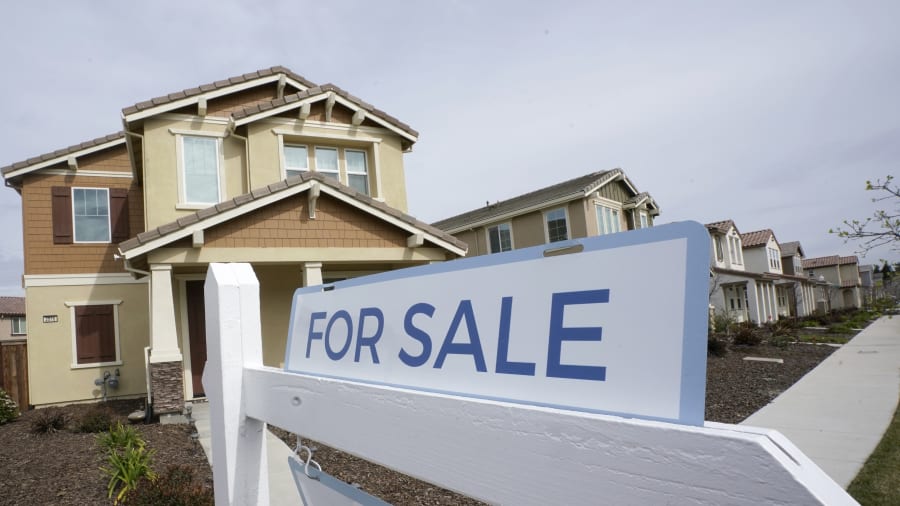
<generator>Blogsmith http://www.blogsmith.com/</generator><item><title>Attention Renters: Buying Is Now Cheaper</title><link>http://realestate.aol.com/blog/2011/01/27/attention-renters-buying-is-now-cheaper/</link><guid isPermaLink="true">http://realestate.aol.com/blog/2011/01/27/attention-renters-buying-is-now-cheaper/</guid><comments>http://realestate.aol.com/blog/2011/01/27/attention-renters-buying-is-now-cheaper/#comments</comments><description><![CDATA[<p>Filed under: <a href="http://realestate.aol.com/blog/category/buying/" rel="tag">Buying</a>,<a href="http://realestate.aol.com/blog/category/economy/" rel="tag">Economy</a>,<a href="http://realestate.aol.com/blog/category/renting/" rel="tag">Renting</a></p><img alt="buying versus renting"  src="http://www.blogcdn.com/realestate.aol.com/blog/media/2011/01/gyi0061176820.jpg" style="border-width: 1px; border-style: solid; margin: 4px; float: left;" />Buying is now cheaper than <a class="inlinked" href="http://realestate.aol.com/information/rent">renting</a> in nearly three-quarters of the 50 largest cities in the United States, according to data from a rent versus buy index <a href="http://info.trulia.com/index.php?s=43&amp;item=113" target="_blank">released this week</a>. While there are some notable big-city exceptions where <a class="inlinked" href="http://realestate.aol.com/information/rent">renting</a> is more affordable -- Seattle, New York, San Francisco and Kansas City -- in other large metro areas including Las Vegas, Phoenix, Sacramento, and <a class="inlinked" href="http://realestate.aol.com/Miami-IN-real-estate">Miami, real estate</a> agents and ownership advocates can <a href="http://www.miamiherald.com/2011/01/25/2032762/miami-top-big-city-to-buy-home.html" target="_blank">claim a small victory</a>.<br />
<br />
The numbers may encourage fence-sitters to finally buy a bargain, or offer <a class="inlinked" href="http://realestate.aol.com/information/rent">renters</a> justification for sitting out the ownership market. But as with any index, there are lots of variables at play, and living in a market with an index score tilted toward buying doesn't necessarily mean that's a slamdunk decision, as <a href="http://blogs.reuters.com/prism-money/2011/01/25/real-estate-now-buy-here-rent-there/" target="_blank">Reuters notes</a>.<br />
<br />
Economists frequently develop price to rent ratios using <a class="inlinked" href="http://realestate.aol.com/information/home-prices">home price</a> index data from the now-defunct Office of Federal Housing Enterprise Oversight (OFHEO) and Owners Equivalent Rent data from the Bureau of Labor Statistics to look at how <a class="inlinked" href="http://realestate.aol.com">real estate</a> markets are functioning. HotPads.com, a site that lets consumers compare renting with owning, shows "heat maps" of different markets based on the costs of both choices.<br />
<br />
Monthly housing cost -- which is what a price to rent index uses as the basis of its comparison -- is not the only factor to consider when debating rent versus own. In the distress-filled <a class="inlinked" href="http://realestate.aol.com">real estate</a> landscape, would-be owners need to ponder not only whether they can finance the purchase, but sustain and remain in it long-term. Part of this calculation is personal and
<style type="text/css">
#mini_module {width:265px;height:220px;border:none;float:left;margin:10px;font-size:12px;} #mini_module img {border:none;width:265px;height:131px;border:none;margin:0px;} #mini_module .mini_title {margin:0px;padding:0px;width:265px;height:131px;} #mini_module .mini_main {margin:0px;padding:0px;width:265px;height:85px;background: transparent url(http://www.aolcdn.com/travel/bg-short)} #mini_module .mini_item {padding:12px 0px;margin:0px 20px;border-bottom:1px dotted #CCCCCC;} #mini_module a {color:#49A3CA;text-decoration:none;} #mini_module a:hover {color:#F98419;text-decoration:underline;}</style>
<div id="mini_module">
	<div class="mini_title">
		<a href="http://rentedspaces.com/rentals" target="_blank"><img alt="Search Homes for Sale" src="http://www.aolcdn.com/travel/no_text" /></a></div>
	<div class="mini_main">
		<div class="mini_item">
			See <a href="http://rentedspaces.com/rentals?icid=plugin" target="_blank">photos of homes for sale </a> in your area and across the country on AOL Real Estate</div>
	</div>
</div>
lifestyle-driven (do you want to own?) and part of it is financial and market-driven: If <a class="inlinked" href="http://realestate.aol.com/home-values">home values</a> decline, and you need to sell within a few years, will you have negative equity? San Francisco-based Trulia, which published the rent versus buy numbers, admits they're just one piece of the puzzle for consumers.<br />
<br />
"This index doesn't take into account the potential for appreciation or depreciation, or the fact that rents can change from one year to the next," says Tara-Nicholle Nelson, consumer educator for Trulia, which will release updated index numbers quarterly. "What it can do is help you see how your market is trending, and it can also help if you're comparing dynamics in two different cities."<br />
<br />
Consumers also need to understand how any index they use is calculated and what it includes. To develop scores, Trulia compares the median price of a two-bedroom home in a multi-family community divided by the median price of rent on a similar two-bedroom apartment. A resulting number lower than 15 suggests it's cheaper to buy, a result between 16 and 20 means owning costs more than renting but a case can be made to own, and a result above 21 suggests it's cheaper to rent.<br />
<br />
The costs of owning include a down payment of up to 10 percent, a monthly housing payment (mortgage principal and interest, property taxes, insurance, <a class="inlinked" href="http://realestate.aol.com/blog/2010/06/17/closing-costs-no-surprises/">closing costs</a>, homeowners dues, private <a class="inlinked" href="http://realestate.aol.com/article/_a/explaining-mortgage-insurance/20081111111009990001">mortgage insurance</a>, and offsets for tax benefits of owning), while the costs to rent include monthly rent and insurance. These costs don't, however, include maintenance -- a fee implicitly included in rent but not entirely represented by homeowners dues.<br />
<br />
Depending on the source consulted, maintenance of an owned home can cost anywhere from 1 percent to 4 percent of that home's list price annually. While that sounds high, consider that while some years you may spend next to nothing on home repairs, in other years replacing appliences, tackling an expensive plumbing problem, or facing a "special assessment" from a condo board can cost thousands of dollars. In a rental, these costs are all included; in an owned home, you're paying.<br />
<br />
In addition, consider that some of the larger metros where buying is now more affordable on Trulia's list have been hammered by the foreclosure crisis, which promises to loom over the national landscape for a few more years. Trulia's top ten cities where buying is cheaper than renting include the following: Miami (6), Las Vegas (6), Arlington, Tex. (7), Mesa, Ariz. (8), Phoenix (8), Jacksonville, Fla. (8), Sacramento (10), San Antonio (11), Fresno (11), and El Paso (11). RealtyTrac names Las Vegas, Chicago, Phoenix, Miami, and Los Angeles among top cities in terms of foreclosure activity.<br />
<br />
So the deals in these cities are good, but if the goods are foreclosures, then they may require expensive upgrades or suffer from the depressed values found in heavy foreclosure markets. According to some housing market analyses -- such as <a href="http://www.radarlogic.com/news/12-10_MB_Eddins.pdf" target="_blank">this report</a> from Radar Logic -- the American housing market won't see year-over-year price gains for years to come.<br />
<br />
If anything, as consumers begin to see trends in price to rent data in their own markets, they'll have a sense of which type of housing costs more in recent months. But, as the Great Recession has shown, the price to own can come with hidden costs not immediately evident at time of purchase.<br />
<br />
<em><span class="150331117-23082010"><em><span class="150331117-23082010"><em>Still trying to decide which is right for you? Here are some </em></span><span class="150331117-23082010"><em>AOL <a href="http://realestate.aol.com/" target="_blank">Real Estate</a></em><em> </em></span><span class="150331117-23082010"><em>guides to help you no matter whether you choose to buy or rent:<br />
</em> </span></em></span></em>
<ul>
	<li>
		<em><span class="150331117-23082010"><em><span class="150331117-23082010"><a href="http://realestate.aol.com/blog/2010/08/20/neighborhood-hunting-made-easy/">Neighborhood Hunting Made Easy</a></span></em></span></em></li>
	<li>
		<em><span class="150331117-23082010"><em><span class="150331117-23082010"><a href="http://realestate.aol.com/blog/2010/06/29/tips-for-finding-a-rental-apartment/" target="_blank">Tips for Finding a Rental Apartment</a></span></em></span></em></li>
</ul>
<br />
<em><span class="150331117-23082010"><em><em>More on AOL <a class="inlinked" href="http://realestate.aol.com/">Real Estate</a>:<br />
Find out how to <a class="inlinked" href="http://realestate.aol.com/mortgage-calculator?flv=1">calculate mortgage</a> payments.<br />
Find <a class="inlinked" href="http://realestate.aol.com/homes-for-sale">homes for sale</a> in your area.<br />
Find <a class="inlinked" href="http://realestate.aol.com/foreclosures">foreclosures</a> in your area.<br />
Get <a class="inlinked" href="http://realestate.aol.com/tax-advice/top-tax-deductions-by-room">property tax help</a> from our experts.</em></em></span></em><p style="clear: both; padding: 8px 0 0 0; height: 2px; font-size: 1px; border: 0; margin: 0; padding: 0;">&nbsp;</p><p><a href="http://realestate.aol.com/blog/2011/01/27/attention-renters-buying-is-now-cheaper/" rel="bookmark" title="Permanent link to this entry">Permalink</a>&nbsp;|&nbsp;<a href="http://realestate.aol.com/blog/forward/19815049/" title="Send this entry to a friend via email">Email this</a>&nbsp;|&nbsp;<a href="http://realestate.aol.com/blog/2011/01/27/attention-renters-buying-is-now-cheaper/#comments" title="View reader comments on this entry">Comments</a></p>]]></description><category>radar logic</category><category>rent or buy</category><category>rent versus buy</category><category>rent versus own</category><category>rental market</category><dc:creator>Jane Hodges</dc:creator><dc:date>2011-01-27T17:31:00 00:00</dc:date></item><item><title>Rent Your House as a Vacation Home for Cash</title><link>http://realestate.aol.com/blog/2010/07/16/rent-out-your-home-as-a-vacation-property-and-make-money/</link><guid isPermaLink="true">http://realestate.aol.com/blog/2010/07/16/rent-out-your-home-as-a-vacation-property-and-make-money/</guid><comments>http://realestate.aol.com/blog/2010/07/16/rent-out-your-home-as-a-vacation-property-and-make-money/#comments</comments><description><![CDATA[<img align="left" alt="make your home a vacation rental" border="1" hspace="4" src="http://www.blogcdn.com/realestate.aol.com/blog/media/2010/07/cabin.jpg" vspace="4" />Lori McRae, a resident of Olympia, Wash., owns two vacation homes in the Lake Cushman area of the Olympic Peninsula. She and her family use one just for themselves, but the other property they use mainly as a rental. Along the way, she said, she's learned one thing about life as a vacation rental landlord: "Watch out for yourself."<br />
<br />
Roughly 25 percent of all homeowners that purchase vacation homes buy their property with plans to rent it out, according to the National Association of Realtors' <a href="http://www.realtor.org/press_room/news_releases/2010/03/invest_vac_2009">2010 Investment and Vacation Home Buyers Survey</a>. If you're considering a vacation home purchase or renting out an existing vacation home property, consider the following advice.<br />
<strong> </strong><style type="text/css">
#mini_module { width: 265px; height:220px; border: none; float:left; margin:10px; font-size:12px;} #mini_module img {border:none; width: 265px; height:131px; border: none; margin:0px; } #mini_module .mini_title { margin: 0px; padding:0px; width:265px; height:131px;} #mini_module .mini_main { margin: 0px; padding:0px; width:265px; height:85px; background: transparent url(http://www.aolcdn.com/travel/bg-short)} #mini_module .mini_item {padding:12px 0px; margin: 0px 20px; border-bottom:1px dotted #CCCCCC;} #mini_module a { color: #49A3CA; text-decoration:none; } #mini_module a:hover { color: #F98419; text-decoration:underline;}</style>
<br />
<br />
<strong>Get it in writing<br />
</strong><br />
While McRae's A-frame rental cabin has been a good moneymaker, that doesn't mean McRae's life as a landlord is headache-free. To make sure renters use the property sensibly, she says, she requires an upfront $200 deposit and a signed contract spelling out agreements between her and her renters. For instance, she doesn't charge a cleaning fee, but she does ask renters to do a basic cleaning (bag dirty linens, sweep and vacuum, leave the kitchen clean) unless they want her to deduct $20 per cleaning hour from their deposit. She's changed the contract's wording over the years to address renters' behavior.<br />
<br />
"During the first year someone rented it out for a party of six, and when we drove by, there were 20 people on the deck -- and that was just on the deck," McRae says. The "partying" renter led to a revision of the contract that subjects renters to eviction if a party size exceeds the agreed-upon number. "The house is on a septic system with one bathroom," she says. "That just won't do."<br />
<br />
<br />
<strong> </strong>
<div id="mini_module">
	<div class="mini_title">
		<strong><a href="http://realestate.aol.com/homes-for-sale" target="_blank"><img alt="Search Homes for Sale" src="http://www.aolcdn.com/travel/search_homes" /></a></strong></div>
	<div class="mini_main">
		<div class="mini_item">
			<strong>Browse through photos of millions of <a href="http://realestate.aol.com/homes-for-sale" target="_blank">home listings</a> or search <a href="http://realestate.aol.com/foreclosures" target="_blank">foreclosure listings</a></strong></div>
	</div>
</div>
<strong>Tackle tax concerns: The "14 day rule"<br />
</strong><br />
Is your place a vacation home or investment property? Or a little bit of both? Many vacation homeowners use their property personally part of the year and rent it out during another part of the year. In the eyes of the IRS, however, your home is a vacation property if you rent it out up to 14 days a year (which you can do tax-free) and use it yourself the rest of the time, and it's an investment property if you rent it out and spend less than 14 days per year for personal use, notes Christine Hrib-Karpinski, a vacation homes expert with vacation rentals company HomeAway.com. You'll face different tax consequences depending on your choice.<br />
<br />
<br />
<strong>Are you in it to make profit, or just a little extra cash?<br />
</strong><br />
Vacation home owners differ over whether they're more interested in making a profit off renting out a vacation home, or just occasionally subsidizing their ownership with rentals. If you plan to break even -- or even profit -- from renting out your vacation home, you'll likely need to rent it at least 17 weeks per year, Hrib-Karpinski says. And keep in mind that operating your home as a rental may lead to expenses from wear and tear, or fees to contractors (cleaners, landscapers, etc.). If you plan to rent your home frequently, you'll need to advertise it in regional media or through portals such as VRBO.com ($279/year), HomeAway.com ($329/year), or other vacation listings services.<br />
<br />
<br />
<strong>Management company or solo management?<br />

</strong><br />
Some vacation property owners work with a professional management company to market, manage and handle rental activity. Typically, management companies charge anywhere from 30 percent to 50 percent of the rent to handle marketing, booking, collecting rental funds, and coordinating cleaning and maintenance, Hrib-Karpinski says. Some owners find outsourcing these details -- and the potential for higher occupancy -- worth the cost. Others handle these details themselves, often through a loose confederation of local contractors (the snowplow guy, the cleaning lady, etc.). When you use a management company, however, you can still get time for yourself in your home -- just ask to block out your dates of choice.<br />
<br />
<br />
Ultimately, a vacation home should reward its owners -- both as a place to be passive and rest, and as a place poised to provide passive rental income.<br />
<br />
"We bought our place six years ago and we're glad we did," says McRae. "It's only been open one day this summer."<br />
<br />
<br />
<em> More on AOL <a class="inlinked" href="http://realestate.aol.com/">Real Estate</a>:<br />
Find out how to <a class="inlinked" href="http://realestate.aol.com/mortgage-calculator?flv=1">calculate mortgage</a> payments.<br />
Find <a class="inlinked" href="http://realestate.aol.com/homes-for-sale">homes for sale</a> in your area.<br />
Find <a class="inlinked" href="http://realestate.aol.com/foreclosures">foreclosures</a> in your area.<br />
Get <a class="inlinked" href="http://realestate.aol.com/tax-advice/top-tax-deductions-by-room">property tax help</a> from our experts.<br />
</em><br />
<br />
<em> </em>
<div style="text-align: center; font-family: Arial,Verdana,sans-serif; font-size: 11.8056px;">
	<em>************************************************<br />
	<br />
	Want to learn more about home buying and home finance? If so, you won't want to miss<br />
	our online discussion with industry experts,<br />
	"<strong>What Works Now: Smart Moves When Buying a Home</strong>,"<br />
	created by AOL Real Estate in participation with Bank of America Home Loans.<br />
	</em><a href="http://realestate.aol.com/home-buying-answers"><em>Watch it now on AOL Real Estate.</em></a></div><p style="clear: both; padding: 8px 0 0 0; height: 2px; font-size: 1px; border: 0; margin: 0; padding: 0;">&nbsp;</p><p><a href="http://realestate.aol.com/blog/2010/07/16/rent-out-your-home-as-a-vacation-property-and-make-money/" rel="bookmark" title="Permanent link to this entry">Permalink</a>&nbsp;|&nbsp;<a href="http://realestate.aol.com/blog/forward/19557883/" title="Send this entry to a friend via email">Email this</a>&nbsp;|&nbsp;<a href="http://realestate.aol.com/blog/2010/07/16/rent-out-your-home-as-a-vacation-property-and-make-money/#comments" title="View reader comments on this entry">Comments</a></p>]]></description><category>HomeAway.com VRBO.com</category><category>Homeaway.comVrbo.com</category><category>investment property</category><category>IRS</category><category>second home</category><category>Vacation home</category><category>VacationHome</category><dc:creator>Jane Hodges</dc:creator><dc:date>2010-07-16T15:56:00 00:00</dc:date></item><item><title>Closing Costs: How Much to Budget</title><link>http://realestate.aol.com/blog/2010/07/02/closing-costs-how-much-to-budget/</link><guid isPermaLink="true">http://realestate.aol.com/blog/2010/07/02/closing-costs-how-much-to-budget/</guid><comments>http://realestate.aol.com/blog/2010/07/02/closing-costs-how-much-to-budget/#comments</comments><description><![CDATA[<br />
<!--Starting of UEC -->
<div style="position: relative; width: 610px; height: 400px; margin: 0pt; padding: 0pt;" id="AOLVP_us_109549297001"><script>if(typeof AOLVP_cfg==='undefined')AOLVP_cfg=[];AOLVP_cfg.push({id:'AOLVP_us_109549297001','codever':0.1,'autoload':false,'autoplay':false,'playertype':'pageload','playerid':'61371447001','videoid':'109549297001','publisherid':1612833736,'width':610,'height':400,'videotitle':'What Works Now - Closing Costs','bgcolor':''});</script></div>
<script src='http://o.aolcdn.com/videoplayer/loader.js'></script><img height="1" border="0" width="1" alt="" src="http://amch.questionmarket.com/adsc/d807489/2/820596/adscout.php?ord=[randnum]" /> <!--End of UEC --><br />
<br />
<div class="buttons">
<div style="text-align: center;"><a class="hbutton" id="BOAMeetPanelists" href="http://realestate.aol.com/blog/2010/07/07/what-works-now-closing-costs-key-takeaways">Key Video Takeaways</a></div>
<div class="clear"> </div>
</div>
<br />
Renada, a New Yorker ready to make the switch from renter to owner, thought she'd sailed through the home buying process. She was approved for a loan, found a condominium in Hell's Kitchen and signed a purchase agreement, all in a relatively short period of time. She expected more of the same during her closing appointment. As she reviewed the closing paperwork, though, she realized that she was in unknown and unexpected territory: The list of fees associated with her purchase was dizzyingly long, and the price tag higher than she'd imagined. <br />
<br />
"Everything came to a stop," she said. "I don't get it! There's a title fee, an escrow fee, insurance. It's too much fine print for me."<br />
<br />
We asked the <a target="_blank" href="http://realestate.aol.com/home-buying-answers"><em>What Works Now</em> </a>experts to explain just how much buyers should anticipate spending on closing costs and what those costs represent. Here's what they said:<br />
<br />
<style type="text/css"> #mini_module_blank { width: 269px; height:206px; border: none; float:left; margin:10px; font-size:12px;} #mini_module_blank img {border:none; width: 265px; height:131px; border: none; margin:0px; } #mini_module_blank .mini_main { margin: 0px; padding:0px; width:269px; height:206px; background: transparent url(http://www.aolcdn.com/travel/zing-background-no-photo)} #mini_module_blank .mini_item_header {padding:12px 0px; margin: 0px 20px; font-size:16px;} #mini_module_blank .mini_item {padding:8px 0px; margin: 0px 20px; border-bottom:1px dotted #CCCCCC;} #mini_module_blank a { color: #49A3CA; text-decoration:none; } #mini_module_blank a:hover { color: #F98419; text-decoration:underline;} </style> <a href="http://realestate.aol.com/blog/2010/06/18/lynnette-khalfani-cox-the-money-coach-and-personal-finance-expe " target="_blank">Lynnette Khalfani-Cox, a.k.a. The Money Coach</a>, says that buyers can expect to pay at least 3 percent of their loan amount in closing costs. That means a borrower taking out a $300,000 loan can expect to pay about $9,000 in fees. Some of these fees are for lender-required steps in the purchase process, such as a credit check fee or loan application fee. Other fees relate to the property itself, such as fees related to the title or title-related insurance on the property. Then there are escrow fees, essentially money set aside so that the lender can pay property taxes on the home, on the buyer's behalf. <br />
<br />
<div id="mini_module_blank">
<div class="mini_main">
<div class="mini_item_header"><b>Essential How-To Guides on AOL Real Estate</b></div>
<div class="mini_item"><a href="http://realestate.aol.com/information/buy" target="_blank">Home Buying</a></div>
<div class="mini_item"><a href="http://realestate.aol.com/information/sell" target="_blank">Selling a Home</a></div>
<div class="mini_item"><a href=" http://realestate.aol.com/information/rent" target="_blank">Renting</a> and <a href=" http://realestate.aol.com/information/move" target="_blank">Moving</a></div>
<div class="mini_item"><a href="http://realestate.aol.com/information/improve" target="_blank">Home Improvement</a></div>
</div>
</div>
"These fees are a normal part of the mortgage process and all consumers should be aware of them," Khalfani-Cox says. <br />
<a href="http://realestate.aol.com/blog/2010/06/02/todd-dal-porto/"><br />
Todd Dal Porto</a> , Home Loans Enterprise Sales Executive at Bank of America, says that many lenders are trying to provide more transparency to borrowers so that they understand how much they're paying -- and what for -- at closing. Bank of America provides borrowers with a one-page document called <em>Th</em>e <em>Clarity Commitment</em>(R)* which outlines loan terms and expenses as well as the costs that the borrower must pay at closing. This helps the borrower prepare for any additional funds that they may need to pay at closing.<br />
<br />
<a name="#poll49001"></a><div id="poll49001_div"><table class="poll" id="poll49001"><caption>Closing costs can total 3% of your total mortgage. How do you plan to cover it?</caption><tr class="alt"><th scope="row">Piggy bank: Set aside a separate savings account and pay it in full.</th><td><span class="poll_result_bar poll_result_bar_1" style="display:block;width:21%;background-color:#efefef;">3019 (20.2%)</span></td></tr><tr><th scope="row">Newlywed gift: Asking a relative to help cover the costs.</th><td><span class="poll_result_bar poll_result_bar_2" style="display:block;width:2%;background-color:#efefef;">225 (1.5%)</span></td></tr><tr class="alt"><th scope="row">Hard bargain: Negotiate with the seller to cover some of it.</th><td><span class="poll_result_bar poll_result_bar_3" style="display:block;width:79%;background-color:#efefef;">11667 (78.2%)</span></td></tr></table></div><br />
There are other ways to avoid headaches and heartaches at closing, the <a href="http://realestate.aol.com/home-buying-answers" target="_blank"><em>What Works Now</em></a> experts say.<br />
<br />
For starters, homebuyers can ask their lender to provide them with an HUD-1 Settlement Statement. This statement must legally be made available to a borrower 24 hours before their closing appointment. <italic></italic>(An HUD-1 Settlement Statement is similar to the Good Faith Estimate documents a borrower receives at the beginning of their loan application process, and many borrowers actually compare the two and ask their lender about any adjustments to expenses between the two documents). <br />
<br />
<br />
In addition, consumers can ask their loan officer to accompany them to closing appointments, so that the officer can help get answers on the spot regarding particular closing costs. <br />
<br />
Next time, Renada hopes her paperwork will be "solid" and she'll be prepared to close. If she follows some of the steps outlined by Lynnette and Todd, she'll be in a great position to walk away from the closing as a happy new homeowner.<br />
<br />
<em>Interested in learning more about the hidden costs involved in buying a home? Here are some <a href="http://realestate.aol.com/" target="_blank">AOL Real Estate</a> guides that might help: <br />
<br />
</em>
<ul>
    <li><a href="http://realestate.aol.com/blog/2010/06/25/guide-to-settlement-and-escrow/" target="_blank">Guide to Settlement and Escrow</a></li>
    <li><a href="http://realestate.aol.com/blog/2010/06/25/making-an-offer/" target="_blank">Making an Offer</a></li>
</ul>
<br />
<div style="text-align: center;"> </div>
<div style="text-align: center;">******************<br />
<br />
<em>Want to learn more about home buying and home finance? If so, you won't want to miss <br />
the rest of our discussion with Todd and Lynnette on <br />
</em>"<strong>What Works Now: Smart Moves When Buying a Home</strong>," <em><br />
created by AOL Real Estate in participation with Bank of America Home Loans.<a href="http://realestate.aol.com/home-buying-answers" target="_blank"><br />
Watch it now on AOL Real Estate</a>.</em></div>
<br />
<br />
<italics></italics>*<em>The Clarity Commitment(R)</em> summary is provided as a convenience, does not serve as a substitute for a borrower's actual loan documents, and is not a commitment to lend. Borrowers should become fully informed by reviewing all of the loan and disclosure documentation provided.<p style="clear: both; padding: 8px 0 0 0; height: 2px; font-size: 1px; border: 0; margin: 0; padding: 0;">&nbsp;</p><p><a href="http://realestate.aol.com/blog/2010/07/02/closing-costs-how-much-to-budget/" rel="bookmark" title="Permanent link to this entry">Permalink</a>&nbsp;|&nbsp;<a href="http://realestate.aol.com/blog/forward/19520170/" title="Send this entry to a friend via email">Email this</a>&nbsp;|&nbsp;<a href="http://realestate.aol.com/blog/2010/07/02/closing-costs-how-much-to-budget/#comments" title="View reader comments on this entry">Comments</a></p>]]></description><category>aol original</category><category>AolOriginal</category><category>video</category><dc:creator>Jane Hodges</dc:creator><dc:date>2010-07-02T09:50:00 00:00</dc:date></item><item><title>Closing Costs: No Surprises</title><link>http://realestate.aol.com/blog/2010/06/17/closing-costs-no-surprises/</link><guid isPermaLink="true">http://realestate.aol.com/blog/2010/06/17/closing-costs-no-surprises/</guid><comments>http://realestate.aol.com/blog/2010/06/17/closing-costs-no-surprises/#comments</comments><description><![CDATA[<p>
	<a href="http://www.flickr.com/photos/ooohoooh/1350774613/" target="_blank"><img alt="handshake on closing costs" src="http://www.blogcdn.com/realestate.aol.com/blog/media/2010/06/handshake.jpg" style="border-width: 1px; border-style: solid; margin: 4px; float: left;" /></a>Many homebuyers mistakenly arrive at closing unprepared for a laundry list of <a href="http://realestate.aol.com/blog/2010/06/25/guide-to-settlement-and-escrow/"><span class="inlinked">closing costs</span></a>: major and minor fees that are a routine part of any home purchase. This can be because the lender increased fees on lender-controlled aspects of a transaction, or because a buyer chose a third party (appraiser, inspector, attorney, title company) that might charge higher prices than those estimated by the lender.<br />
	<br />
	Fortunately, <a href="http://realestate.aol.com/blog/2010/08/19/closing-costs-on-new-mortgages-up-36-6-percent/">new rules and regulations</a> provide more clarity on the <span class="inlinked">closing costs</span> that borrowers can expect to pay. As a rule of thumb, homebuyers can expect to pay closing costs equivalent to <a href="http://realestate.aol.com/blog/2010/07/02/closing-costs-how-much-to-budget/">3 percent to 5 percent</a> of their loan amount, says Guy Cecala, publisher of Inside Mortgage Finance, a Bethesda, Md.-based mortgage research firm. This is money that the homebuyers will spend in addition to their down payment, and those stretching to buy should know that they'll need to cover these closing costs in addition to the savings reserves that some lenders require. (In other words, raiding your savings on closing day to pay unforeseen closing costs may not work out!)<br />
	<br />
	So how can you avoid surprises with closing costs? There are several steps you can take:</p>
<p>
</p>
<br />
<div style="text-align: center;">
	<object classid="clsid:d27cdb6e-ae6d-11cf-96b8-444553540000" height="345" id="FiveminPlayer" width="560"><param name="allowfullscreen" value="true" /><param name="allowScriptAccess" value="always" /><param name="movie" value="http://embed.5min.com/155734543/" /><param name="wmode" value="window" /><embed allowfullscreen="true" allowscriptaccess="always" height="345" name="FiveminPlayer" src="http://embed.5min.com/155734543/" type="application/x-shockwave-flash" width="560" wmode="window"></embed></object><br />
	<a href="http://www.5min.com/Video/Terms-And-Closing-Costs-155734543" style="font-family: Verdana; font-size: 10px;" target="_blank">Terms and closing costs</a></div><style type="text/css">
#mini_module { width: 265px; height:220px; border: none; float:left; margin:10px; font-size:12px;} #mini_module img {border:none; width: 265px; height:131px; border: none; margin:0px; } #mini_module .mini_title { margin: 0px; padding:0px; width:265px; height:131px;} #mini_module .mini_main { margin: 0px; padding:0px; width:265px; height:85px; background: transparent url(http://www.aolcdn.com/<a  class="inlinked"  data-cke-saved-href="http://travel.aol.com/" href="http://travel.aol.com/">travel</a>/bg-short)} #mini_module .mini_item {padding:12px 0px; margin: 0px 20px; border-bottom:1px dotted #CCCCCC;} #mini_module a { color: #49A3CA; text-decoration:none; } #mini_module a:hover { color: #F98419; text-decoration:underline;}</style>
<br />
<strong>Ask the seller to pay the closing costs</strong><br />
Before you make an offer on a home, discuss with <a href="http://realestate.aol.com/blog/2010/08/09/how-to-choose-a-realtor/">your agent</a> whether you can negotiate with the seller to pay some or all of your closing costs. Many buyers who are stretching to finance a down payment make an offer that's slightly higher and ask that, in exchange, the seller pay some or all of the closing costs. (Essentially, this amounts to financing closing costs within the <a href="http://realestate.aol.com/blog/2010/06/24/how-to-pick-the-right-mortgage-product-for-you/">mortgage loan</a>.) Sellers eager to complete a transaction may offer to pay some closing costs in order to expedite a deal, or price their home slightly high on the assumption that they'll be helping a buyer with closing. If a seller commits to pay some or all of the closing costs, Cecala recommends getting it in writing and appending the seller's commitment to HUD loan documents so that the seller is held to their promise.<br />
<br />
<div id="mini_module">
	<div class="mini_title">
		<a href="http://www.servicemagic.com/ext/6488831" target="_blank"><img alt="Search Homes for Sale" src="http://www.aolcdn.com/travel/increase_value" /></a></div>
	<div class="mini_main">
		<div class="mini_item">
			<a href="http://www.servicemagic.com/ext/6488831" target="_blank">Find a local expert contractor who has been pre-screened by ServiceMagic</a></div>
	</div>
</div>
<strong>Understand the Good Faith Estimate</strong><br />
Make sure you get -- and carefully review -- the <a href="http://realestate.aol.com/blog/2010/01/04/mortgage-forms-you-can-understand-not-quite-yet/">Good Faith Estimate</a> that your lender must provide within three days of your loan application. This paperwork will describe to you the closing costs associated with your loan, ranging from lender-related fees (such as loan origination fees) to outsiders' fees required to complete your transaction (inspection, appraisal, etc.). A good faith estimate is just that -- an "estimate" -- and some closing costs cited in that estimate can change. But as of January 2010, the government made it illegal for some of those costs to rise and capped other cost increases at no higher than 10 percent.<br />
<br />
Closing costs that cannot increase include points (once an interest rate is locked), loan origination fees and transfer taxes. The costs that can increase, but by no more than 10 percent, include any services required by a lender, title-related services, and government recording charges. Other closing costs that can change include services that the buyer selects, such as extra home inspections, title services not required by the lender, homeowner's insurance, and <a class="inlinked" href="http://realestate.aol.com/blog/2010/06/25/guide-to-settlement-and-escrow/">escrow</a> deposits.<br />
<br />
<strong>Get more than one Good Faith Estimate</strong><br />
Because lenders all use the same form to provide customers with the closing cost numbers, it's possible to compare the estimates of various lenders, and to negotiate with them on some fees.<br />
<br />
<strong>Read your HUD-1 Settlement Statement closely</strong><br />
Ask that your lender to provide the HUD-1 Settlement Statement well before closing, so you can comparing the closing costs listed in the statement with your Good Faith Estimate. You should feel free to ask your lender about any discrepancies or price adjustments you notice, so that you're prepared and well-equipped to close with confidence.<br />
<br />
"You do have recourse after the loan closes if you find out you've been overcharged," says Cecala.<br />
<br />
<br />
<br />
<strong>DOCUMENTS AND FEES YOU SHOULD EXPECT AT CLOSING</strong><br />
<div style="text-align: center;">
</div>
<div style="text-align: left;">
	<br />
	<u><strong>Documents<br />
	</strong></u></div>
<ul>
	<li>
		<strong>Bank note:</strong> If you're closing on a house or condo it's called a <em>mortgage</em>. If it's for a co-op it's called a <em>security agreement. </em>The security agreement or mortgage "puts teeth into the note." A note is a piece of paper that says I borrowed the money and I will promise to pay it back. The security agreement or mortgage says what the bank will do if you don't pay it back.</li>
	<li>
		<strong>Transfer documents: </strong>For a co-op, those are <em>co-op documents</em>, which are a proprietary lease. For a condo, the <em>unit condo power of attorney</em> gives the condominium limited power of attorney to conduct the business of the condo. A house does not have a transfer document</li>
	<li>
		<strong>Hud-1:</strong> Discloses fees and costs</li>
	<li>
		<strong>Aztech:</strong> For a co-op, it's a recognition agreement. The bank has a security interest in the shares but the coop also has a security interest in the shares. The <em>recognition agreement </em>is signed by the bank, co-op, and the borrower/buyer, recognizing each others' mutual security interest in the shares.</li>
	<li>
		<strong>Lead paint disclosure:</strong> The seller, buyer and usually the agent all sign. Most people waive their right to do a lead paint inspection.</li>
</ul>
<br />
<u><strong>Fees<br />
</strong></u><br />
<ul>
	<li>
		<strong>Attorney's fees:</strong> Fees attendant to the loan, including the bank attorney's fees.</li>
	<li>
		<strong>Transfer agent fee: </strong>If the co-op has a transfer agent, the transfer agent gets a fee to review the recognition agreement; <span class="inlinked">condos</span> also sometimes have have transfer fees.</li>
	<li>
		<strong>Co-op charges:</strong> Charges can include a move-in fee and a transfer fee; co-ops come up with all kinds of fees.</li>
	<li>
		<strong>New York State Mansion Tax or mortgage tax: </strong>If you're buying a home in New York State, and the sale price is over a million on any residential house, you will pay a mansion tax. If the sale price is under a million, you'll pay a mortgage tax.</li>
	<li>
		<strong>Title charges: </strong>(for a condo or house) pays for the title report ordered by the lawyer. It's a onetime insurance premium you're paying for the title. It's a research of the property to find any and all encumbrances. The seller has to secure all the claims against a property to close. The title company is ensuring that the buyer has a good, clean, marketable title to that home or condo.</li>
</ul>
<br />
<br />
<span class="150331117-23082010"><em>Still trying to decide which is right for you? Here are some </em><a href="http://realestate.aol.com/" target="_blank"><em>AOL Real Estate</em></a><em> guides to help you no matter whether you choose to <a class="inlinked" href="http://realestate.aol.com/buy-vs-rent-calculator?flv=1">buy or rent</a>:<br />
</em> </span>
<ul>
	<li>
		<span class="150331117-23082010">How to Shop for Your <a class="inlinked" href="http://realestate.aol.com/information/first-time-home-buyer">First Home</a><br />
		</span></li>
	<li>
		<span class="150331117-23082010"><a href="http://realestate.aol.com/blog/2010/06/29/tips-for-finding-a-rental-apartment/" target="_blank">Tips for Finding a Rental Apartment</a></span></li>
</ul>
<br />
<em>More on AOL <a class="inlinked" href="http://realestate.aol.com/">Real Estate</a>:<br />
Find out how to <a class="inlinked" href="http://realestate.aol.com/mortgage-calculator?flv=1">calculate mortgage</a> payments.<br />
Find <a class="inlinked" href="http://realestate.aol.com/homes-for-sale">homes for sale</a> in your area.<br />
Find <a class="inlinked" href="http://realestate.aol.com/foreclosures">foreclosures</a> in your area.<br />
Get <a class="inlinked" href="http://realestate.aol.com/tax-advice/top-tax-deductions-by-room">property tax help</a> from our experts.</em><p style="clear: both; padding: 8px 0 0 0; height: 2px; font-size: 1px; border: 0; margin: 0; padding: 0;">&nbsp;</p><p><a href="http://realestate.aol.com/blog/2010/06/17/closing-costs-no-surprises/" rel="bookmark" title="Permanent link to this entry">Permalink</a>&nbsp;|&nbsp;<a href="http://realestate.aol.com/blog/forward/19520992/" title="Send this entry to a friend via email">Email this</a>&nbsp;|&nbsp;<a href="http://realestate.aol.com/blog/2010/06/17/closing-costs-no-surprises/#comments" title="View reader comments on this entry">Comments</a></p>]]></description><category>closing cost fees</category><category>closing costs</category><category>ClosingCostFees</category><category>ClosingCosts</category><category>good faith estimate</category><category>GoodFaithEstimate</category><category>home loan</category><category>home loan documents</category><category>home loan refinance</category><category>home loans</category><category>HomeLoan</category><category>HomeLoanDocuments</category><category>HomeLoanRefinance</category><category>HomeLoans</category><category>HUD-1 settlement statement</category><category>Hud-1SettlementStatement</category><category>mortgage</category><category>mortgage closing</category><category>mortgage fees</category><category>MortgageClosing</category><category>MortgageFees</category><dc:creator>Jane Hodges</dc:creator><dc:date>2010-06-17T16:10:00 00:00</dc:date></item><item><title>All-Cash Home Buyers Hurt Values for Owner-Occupants</title><link>http://realestate.aol.com/blog/2010/05/13/all-cash-home-buyers-hurt-values-for-owner-occupants/</link><guid isPermaLink="true">http://realestate.aol.com/blog/2010/05/13/all-cash-home-buyers-hurt-values-for-owner-occupants/</guid><comments>http://realestate.aol.com/blog/2010/05/13/all-cash-home-buyers-hurt-values-for-owner-occupants/#comments</comments><description><![CDATA[<img border="1" hspace="4" vspace="4" width="161" height="220" align="left" alt="" src="http://www.blogcdn.com/realestate.aol.com/blog//media/2010/05/ss44044.jpg.jpg" />There's no denying that all-cash buyers are a force to reckon with in America's neighborhoods. All-cash buyers have come to account for roughly one-fourth of the housing market. <br />
<br />
According the National Association of Realtors' most recent <a href="http://www.realtor.org/wps/wcm/connect/7f6f3b004230ae8b82d2c703cc9fa30a/2010-03_RCI.pdf?MOD=AJPERES&amp;CACHEID=7f6f3b004230ae8b82d2c703cc9fa30a">Realtors Confidence Index</a>: as of March 2010, all-cash buys accounted for 27 percent of the market -- nearly double the percentage (15 percent) during the same month in 2009. <br />
<br />
When it comes to deal-making, cash buyers have the advantage of no financing contingencies in their offers. That can trump regular borrowers, who might have frail loan commitments from battered and fickle lenders. <br />
<br />
Cash buyers are very successful at snagging distressed and auctioned properties, where banks and builders selling homes are eager to offload money-losing property to sure-bet buyers. <br />
<br />
But are all-cash buyers ultimately good for the communities they buy into?<br type="_moz" /><br />
Alas, "cash buyer" is often code for "investor." While some might argue that investors who take foreclosed inventory off the banks' books are doing the economy a favor, Jim Park of New Vista Asset Management <a target="_blank" href="http://www.housingwire.com/2010/05/07/why-do-owner-occupant-buyers-matter-to-the-housing-recovery/">argues otherwise</a>. <br />
<br />
Regarding efforts to make it easier for would-be homeowners to plunge into a chilly market: Park says that when it's easy for investors to snap up foreclosures, there is a threat to owner-occupancy. And that makes it tough for communities to regain lost property values and rebuild their neighborhoods.<br />
<br />
How are new rules from HUD, Freddie Mac, Fannie Mae, and others -- with respect to distressed properties -- acknowledging the relevance of the owner-occupant in real estate's recovery? <br />
<br />
In a few ways: Some properties now carry a 15-day waiting period before investors can bid on them. And some property auctions are now off-limits to investors, a practice which Park notes is new in hard-hit markets such as Phoenix, Las Vegas, and the Inland Empire of California. <br />
<br />
Not surprisingly, some of the hardest-hit markets are seeing high proportions of cash buying. <br />
<br />
Cash buys have accounted for more than 40 percent of the Las Vegas market in recent months, according to <a target="_blank" href="http://www.lasvegassun.com/news/2010/apr/16/end-homebuyer-tax-credit-likely-halt-rise-sales/">The Las Vegas Sun</a>. In Southern California, cash buys accounted for roughly <a target="_blank" href="http://www.nuwireinvestor.com/articles/cash-buyers-picking-up-best-deals-in-southern-california-real-55032.aspx">27 percent of the market </a>in recent months. <br />
<br />
But if Park of New Vista is right, and more is underway to spur primary owners to buy, those numbers soon may fall. That's good news for any neighborhood looking improve its real estate profile -- and for any would-be homeowner relying on financing to buy a dream home.<p style="clear: both; padding: 8px 0 0 0; height: 2px; font-size: 1px; border: 0; margin: 0; padding: 0;">&nbsp;</p><p><a href="http://realestate.aol.com/blog/2010/05/13/all-cash-home-buyers-hurt-values-for-owner-occupants/" rel="bookmark" title="Permanent link to this entry">Permalink</a>&nbsp;|&nbsp;<a href="http://realestate.aol.com/blog/forward/19472013/" title="Send this entry to a friend via email">Email this</a>&nbsp;|&nbsp;<a href="http://realestate.aol.com/blog/2010/05/13/all-cash-home-buyers-hurt-values-for-owner-occupants/#comments" title="View reader comments on this entry">Comments</a></p>]]></description><category>all-cash buyer</category><category>all-cash deals</category><category>no mortgage</category><category>Owner occupants</category><dc:creator>Jane Hodges</dc:creator><dc:date>2010-05-13T17:00:00 00:00</dc:date></item><item><title>Multi-Gen Housing Is Back in Vogue</title><link>http://realestate.aol.com/blog/2010/03/02/multi-gen-housing-is-back-in-vogue/</link><guid isPermaLink="true">http://realestate.aol.com/blog/2010/03/02/multi-gen-housing-is-back-in-vogue/</guid><comments>http://realestate.aol.com/blog/2010/03/02/multi-gen-housing-is-back-in-vogue/#comments</comments><description><![CDATA[<p>Filed under: <a href="http://realestate.aol.com/blog/category/design/" rel="tag">Design</a>,<a href="http://realestate.aol.com/blog/category/news/" rel="tag">News</a></p><a href="http://www.flickr.com/photos/httpoldmaisonblogspotcom/1013364932/"><img vspace="4" hspace="4" border="1" align="left" alt="beverly hillbillies" src="http://www.blogcdn.com/realestate.aol.com/blog//media/2010/02/beverly.jpg" /></a> American families are going back to the future, with multiple generations shacking up together for the same reasons that young un-marrieds once did -- to save on housing costs. The trend has resurfaced over the past 12 months, reports Coldwell Banker in a <a target="_blank" href="http://www.coldwellbanker.com/servlet/News?action=viewNewsItem&amp;contentId=14550986&amp;customerType=Ne">new survey</a> conducted among its agents, as families seek big homes with features like geographically separate bedrooms that let the middle-aged share space with adult offspring and/or aging parents.<br />
<br />
"More than one third of our sales associates have seen clients express a need for a multi-gen home," Diann Patton, Consumer Specialist at Parsippany, N.J.-based Coldwell Banker Real Estate, tells HousingWatch.<br />
<br />
Indeed, Coldwell Banker's survey says that 37 percent of Coldwell Banker agents have heard this request, and that among those seeking a "multi-gen" home, the top reason is financial savings (39%), followed by healthcare costs (29%) and family bonding (6%).<br />
<br />
Patton says that families interested in multi-generational homes will look at models with "mother-in-law" or accessory units, but also homes with remodel-ready attics and lots of separate entrances.<br />
In her area of Northern California, she knows of two parties shopping for multi-generational living situations. In one instance, she said, a family and their elderly mother/grandmother combined financial resources so that the elder could move out of a pricey retirement community and put her funds toward a shared family home where younger generations could look after her needs. In another instance, Patton said, a family bought a home on a lot large enough to accommodate construction of a separate living space.<br />
<br />
Coldwell Banker isn't the first organization to note the trend. The <a target="_blank" href="http://www.builderonline.com/demographics/make-room-for-mom.aspx">AARP</a> reported that 25 percent of the Baby Boomer generation expects that they'll share homes with an aging parent at some point. And <a href="http://www.aolnews.com/nation/article/the-growing-trend-of-multigenerational-households-reaches-white-house/19372840">our friends at AOL News</a> report that there were about 5.5 million multi-generational households, according to the 2009 Census. <br />
<br />
Developers are catering to the trend by building homes designed for "the sandwich generation" as <a href="http://www.nytimes.com/2010/02/28/realestate/28lizo.html">the New York Times dubbed it recently.</a> Fittingly, the International Builders Show's 2010 New American Home (which, also fittingly, perhaps, was not completed in time due to a financial default) featured geographically separated bedrooms that put needed breathing space between generations.<br />
<br />
While Americans may think the phenomenon is reminiscent of 1970s TV cohabitating families -- The Beverly Hillbillies's Clampitt family and The Waltons come to mind -- Patton says that the upsurge in multi-gen living seems to indicate an interest in living the way prior generations did.<br />
<br />
"It's a more European way of living," she notes.<br />
<br />
Then again, it's a very American thing, too: Even President Barack Obama is now living with his mother-in-law, who moved to Washington DC and into The White House with the First Family last year.<p style="clear: both; padding: 8px 0 0 0; height: 2px; font-size: 1px; border: 0; margin: 0; padding: 0;">&nbsp;</p><p><a href="http://realestate.aol.com/blog/2010/03/02/multi-gen-housing-is-back-in-vogue/" rel="bookmark" title="Permanent link to this entry">Permalink</a>&nbsp;|&nbsp;<a href="http://realestate.aol.com/blog/forward/19373746/" title="Send this entry to a friend via email">Email this</a>&nbsp;|&nbsp;<a href="http://realestate.aol.com/blog/2010/03/02/multi-gen-housing-is-back-in-vogue/#comments" title="View reader comments on this entry">Comments</a></p>]]></description><category>aging parents living</category><category>Coldwell banker</category><category>mother-in-law units</category><category>multi-generational homes</category><category>multi-generational housing</category><dc:creator>Jane Hodges</dc:creator><dc:date>2010-03-02T12:00:00 00:00</dc:date></item><item><title>Years Into Downturn, Homeowners Accept Declining Value</title><link>http://realestate.aol.com/blog/2010/02/23/new-normal-years-into-downturn-homeowners-accept-declining-val/</link><guid isPermaLink="true">http://realestate.aol.com/blog/2010/02/23/new-normal-years-into-downturn-homeowners-accept-declining-val/</guid><comments>http://realestate.aol.com/blog/2010/02/23/new-normal-years-into-downturn-homeowners-accept-declining-val/#comments</comments><description><![CDATA[<p>Filed under: <a href="http://realestate.aol.com/blog/category/news/" rel="tag">News</a></p><img vspace="4" hspace="4" border="1" align="left" src="http://www.blogcdn.com/realestate.aol.com/blog//media/2010/02/decay.jpg" alt="House that is declining in value " />Homeowners are often a sunny (we won't say "irrational") lot that tend to believe their homes are more valuable than they really are. Year after year, in survey after survey, they make it clear that they regard a two-room shack as a Swiss chalet, their mini-McMansion a bottomless piggy bank, and their remodeling spend as an all-upside investment. And, despite evidence to the contrary, many have believed that somehow, some way, their particular address is immune to falling home values in their zip codes. <br />
<br />
Looks like homeowners are getting a dose of reality. According to a <a href="http://zillow.mediaroom.com/index.php?s=159&amp;item=186" target="_blank">new Zillow survey</a>, they are finally admitting what the market's told them for a few years: Home values don't always rise steadily, and may even decline. <br />
<br />
Indeed, like a stock or mutual fund, a home's past performance (say, through 2007) doesn't always indicate future results. Homeowners, it seems, have gone bearish. More now expect their homes' values to fall.<p>It's a staggering shift in sentiment -- albeit a little bit of a delayed reaction to the punishing events of the two year-old housing crisis. American homeowners' confidence in their homes' value fell to the lowest level in nearly two years, according to Zillow. In fact, just 20 percent believed that their homes' value rose during 2009, when in reality, 28 percent of homes rose in value. <br />
<br />
That sent Zillow's Home Value Misperception Index into negative territory for the first time, to -2, suggesting that homeowners are now overly cynical about the value of their homes. <br />
<br />
As for the rest, 50 percent of homeowners surveyed believed their home values fell (reality: 65% of values fell), and 30% believed their home values remained flat (reality: 7% were flat). The online survey of 2,215 adults was conducted in January by Harris Interactive.<br />
<br />
"Homeowners are finally succumbing to the notion that, in most areas, declining home values over the past year are no longer the exception, they are the rule," Dr. Stan Humphries, Zillow chief economist, said in announcing the survey results.</p>
<p>Some homeowners continue to delude themselves, of course. Last year, according to Zillow, nearly half of homeowners felt that local home values would drop, yet 30 percent took a "not my home" attitude -- believing that somehow felt their home would withstand the slowdown.</p>
<p>Zillow spokeswoman Amy Bohutinsky tells HousingWatch that homeowners have absolutely lagged the market in terms of accepting the housing-related recession. The gap between reality (dismal) and homeowners' perception (optimistic) of values was most unequal two years ago, she says, but now it's reaching a more realistic stance.</p>
<p>"It's almost as if homeowners have traveled through the five stages of grief, starting at denial, and finally reaching acceptance," says Bohutinsky. "They're now accepting that there's been a housing recession."</p><p style="clear: both; padding: 8px 0 0 0; height: 2px; font-size: 1px; border: 0; margin: 0; padding: 0;">&nbsp;</p><p><a href="http://realestate.aol.com/blog/2010/02/23/new-normal-years-into-downturn-homeowners-accept-declining-val/" rel="bookmark" title="Permanent link to this entry">Permalink</a>&nbsp;|&nbsp;<a href="http://realestate.aol.com/blog/forward/19368948/" title="Send this entry to a friend via email">Email this</a>&nbsp;|&nbsp;<a href="http://realestate.aol.com/blog/2010/02/23/new-normal-years-into-downturn-homeowners-accept-declining-val/#comments" title="View reader comments on this entry">Comments</a></p>]]></description><category>Home value</category><category>homeowner</category><category>perception</category><category>recession</category><category>Zillow</category><dc:creator>Jane Hodges</dc:creator><dc:date>2010-02-23T16:30:00 00:00</dc:date></item><item><title>Beantown for Bachelorettes</title><link>http://realestate.aol.com/blog/2010/02/08/beantown-for-bachelorettes/</link><guid isPermaLink="true">http://realestate.aol.com/blog/2010/02/08/beantown-for-bachelorettes/</guid><comments>http://realestate.aol.com/blog/2010/02/08/beantown-for-bachelorettes/#comments</comments><description><![CDATA[<p>Filed under: <a href="http://realestate.aol.com/blog/category/news/" rel="tag">News</a>,<a href="http://realestate.aol.com/blog/category/lifestyle/" rel="tag">Lifestyle</a></p><a target="_blank" href="http://www.flickr.com/photos/trappedphotons/2092822825/"><img border="1" hspace="4" alt="" vspace="4" align="left" src="http://www.blogcdn.com/realestate.aol.com/blog//media/2010/02/boston-1265658895.jpg" /></a><br />
Should Carrie Bradshaw and her gal pals pack their bags and move to Boston? Yes, according to <a target="_blank" href="http://singlemindedwomen.com/">SingleMindedWomen.com</a>, which just released its 2010 list of the <a target="_blank" href="http://singlemindedwomen.com/money-tips/2010-top-10-cities-for-single-women/">top 10 cities for single women</a>. Boston tops the list, followed by Washington DC, New York City, Seattle, Philadelphia, Phoenix, Denver, Pittsburgh, Dallas, and Austin.<br />
<br />
In calculating the results, <a target="_blank" href="http://singlemindedwomen.com/">SingleMindedWomen.com</a> took into account factors such as the cost of living, which includes the cost to buy as well as rent property, according to Anne-Marie Nieves, a spokeswoman for the site.<br />
<br />
With <a class="inlinked" href="http://realestate.aol.com/information/first-time-home-buyer">first-time buyers</a> dominating the <a class="inlinked" href="http://realestate.aol.com">real estate</a> scene in 2009 and expected to play a big role in the market in 2010, and with single women accounting for a large proportion of the buying population (21% of all home purchases in 2009, according to the <a target="_blank" href="http://www.realtor.org/press_room/news_releases/2009/11/survey_record">National Association of Realtors</a>), the site's research may tell part of the story of where women choose to purchase in 2010.<br />
Sure, job prospects, leisure amenities, and, of course, the city's demographics for friendship as well as dating all played a role in determining where big cities fell on the list. But at HousingWatch, we're primarily interested in the <a class="inlinked" href="http://realestate.aol.com">real estate</a>. According to the most recent quarterly data from the National Association of Realtors, Carrie and crew can buy a single-family home at a median price below $200,000 in Austin ($189,000), Dallas ($150,500), Pittsburgh ($124,600), or Phoenix ($142,700), for less than $250,000 in Denver ($229,100) and Philadelphia ($227,500) and for under $350,000 in Seattle ($321,500), Washington DC ($324,700), or Boston ($348,000). The gals will need to sacrifice some Manolos to buy in Manhattan, where median prices range from $385,000 to $449,000 depending on the neighborhood.<br />
<br />
Condo buyers can snap up property for a median price of below $300,000 in most of these cities, with distressed market Phoenix offering the best bargains ($100,200 median price), and Dallas ($131,300), Austin ($154,200) and Philadelphia ($184,500) coming in as close runners-ups.
<p> </p><p style="clear: both; padding: 8px 0 0 0; height: 2px; font-size: 1px; border: 0; margin: 0; padding: 0;">&nbsp;</p><p><a href="http://realestate.aol.com/blog/2010/02/08/beantown-for-bachelorettes/" rel="bookmark" title="Permanent link to this entry">Permalink</a>&nbsp;|&nbsp;<a href="http://realestate.aol.com/blog/forward/19348932/" title="Send this entry to a friend via email">Email this</a>&nbsp;|&nbsp;<a href="http://realestate.aol.com/blog/2010/02/08/beantown-for-bachelorettes/#comments" title="View reader comments on this entry">Comments</a></p>]]></description><category>Aus</category><category>Austin</category><category>Boston</category><category>Dallas</category><category>Denver</category><category>first-timespsnotreqdbuyers</category><category>NewspsnotreqdYork</category><category>Philadelphia</category><category>Phoenix</category><category>Pittsburgh</category><category>Seattle</category><category>singlespsnotreqdwomen</category><category>WashingtonspsnotreqdDC</category><dc:creator>Jane Hodges</dc:creator><dc:date>2010-02-08T16:00:00 00:00</dc:date></item><item><title>2009 Record Year For Foreclosures</title><link>http://realestate.aol.com/blog/2010/01/14/2009-record-year-for-foreclosures/</link><guid isPermaLink="true">http://realestate.aol.com/blog/2010/01/14/2009-record-year-for-foreclosures/</guid><comments>http://realestate.aol.com/blog/2010/01/14/2009-record-year-for-foreclosures/#comments</comments><description><![CDATA[<p>Filed under: <a href="http://realestate.aol.com/blog/category/news/" rel="tag">News</a></p><p><font size="1" face="Verdana"><span style="font-family: Verdana; font-size: 9pt;"><img width="293" vspace="4" hspace="4" height="199" border="1" align="left" alt="" src="http://www.blogcdn.com/realestate.aol.com/blog//media/2010/01/42-21627852.jpg" />It's official: 2009 was the worst year ever for foreclosures. <br />
<br />
A record 2.8 million properties were hit by foreclosure, according to <a href="http://www.realtytrac.com/contentmanagement/pressrelease.aspx?channelid=9&amp;accnt=0&amp;itemid=8333">a new report by RealtyTrac</a>, the Irvine, Calif.-based research firm. That's up 21 percent from 2008, and 120 percent from 2007.</span></font><br />
<font size="1" face="Verdana"><span style="font-family: Verdana; font-size: 9pt;"><br />
The company reports that half of this carnage comes from just four states -- California, Florida, Arizona, and Illinois, which, together, saw 1.4 million homes make their way onto America's Boulevard of Broken Dreams.<br />
</span></font></p>Don't expect the bad news to stop any time soon. RealtyTrac's chief executive officer, James Saccaccio, didn't sound an optimistic note in announcing the year end data. "In the long term, a massive supply of delinquent loans continues to loom over the housing market, and many of those delinquencies will end up in the foreclosure process in 2010 and beyond as lenders gradually work their way through the backlog."
<p>The <a href="http://www.chicagobusiness.com/cgi-bin/news.pl?id=36730" target="_blank">AP </a>reports that in Illinois, one in every forty homes foreclosed during 2009. RealtyTrac predicts that the nation's foreclosures could hit 3 million this year.</p>
<p>But could 2010 be a tipping point, the year when foreclosures peak and start to diminish? Some economists and industry observers believe foreclosures will peak in 2010 before their levels start falling. Kenneth Rosen, chair of the Fisher Center for Real Estate at the University of California at Berkeley, said so in a <a href="http://www.bloomberg.com/apps/news?pid=20601103&amp;sid=avunOgrdEx_g. " target="_blank">Bloomberg</a> interview, citing stabilizing employment and housing prices. The <a href="http://www.calculatedriskblog.com/2009/08/mba-forecasts-foreclosures-to-peak-at.html" target="_blank">MBA</a> (Mortgage Bankers Association) has also pegged 2010 as the end of the decline. <br />
<br />
Let's hope they are right.</p><p style="clear: both; padding: 8px 0 0 0; height: 2px; font-size: 1px; border: 0; margin: 0; padding: 0;">&nbsp;</p><p><a href="http://realestate.aol.com/blog/2010/01/14/2009-record-year-for-foreclosures/" rel="bookmark" title="Permanent link to this entry">Permalink</a>&nbsp;|&nbsp;<a href="http://realestate.aol.com/blog/forward/19317062/" title="Send this entry to a friend via email">Email this</a>&nbsp;|&nbsp;<a href="http://realestate.aol.com/blog/2010/01/14/2009-record-year-for-foreclosures/#comments" title="View reader comments on this entry">Comments</a></p>]]></description><category>economy</category><category>Foreclosures</category><category>realtytrac</category><dc:creator>Jane Hodges</dc:creator><dc:date>2010-01-14T14:30:00 00:00</dc:date></item><item><title>Recession Design: Smaller footprints</title><link>http://realestate.aol.com/blog/2010/01/14/recession-design-smaller-footprints/</link><guid isPermaLink="true">http://realestate.aol.com/blog/2010/01/14/recession-design-smaller-footprints/</guid><comments>http://realestate.aol.com/blog/2010/01/14/recession-design-smaller-footprints/#comments</comments><description><![CDATA[<p>Filed under: <a href="http://realestate.aol.com/blog/category/design/" rel="tag">Design</a>,<a href="http://realestate.aol.com/blog/category/news/" rel="tag">News</a></p><img width="293" vspace="4" hspace="4" height="187" border="1" align="left" alt="" src="http://www.blogcdn.com/realestate.aol.com/blog//media/2010/01/lennar-3560-coronado.jpg" />The housing crisis is rippling through the construction industry, and not just in the form of shrunken revenues. Lennar Corporation, the Miami-based home builder, is reducing the number of home plans it offers in an effort to lower construction costs and appeal to local consumers.
<p>In a <a href="http://seekingalpha.com/article/181498-lennar-corporation-f4q09-qtr-end-11-30-09-earnings-call-transcript?page=-1&amp;amp;find=lennar">recent conference call</a>, where Lennar reported that revenues for 2009 were down by nearly a third, the company's chief operating officer disclosed that the company was streamlining the number and type of models it offers to homebuyers. <br />
<br />
The changes reflect a larger shift across the housing market. Gone are the McMansions of the easy-credit days. Small and efficient (such as the Lennar model pictured) is in.</p>In Phoenix, Tucson and Las Vegas, for example, Lennar now offers 15 plans, down from 40. "These plans have simplified architecture yet offer design, lifestyle and energy saving features that is attracting new home buyers," said the exec, Jonathan Jaffe. What's more, the simplified offerings have helped reduce construction costs by 12 percent, he said. <br />
<br />
Alan Jones, Lennar's Arizona Division President, told HousingWatch that Lennar leaders from Tucson, Phoenix, and Las Vegas collaborated to standardize designs in the Southwest region. For instance, he said, in one Phoenix community Lennar used to offer six home plans averaging 2,300 square feet. Now, the company offers four "more efficient" plans totaling 1,960 square feet. The company also streamlined its amenity choices, in some cases choosing one of three "levels" of amenities for each community rather than making multiple levels available.
<p>In Lennar's "Horizon at Stetson Valley" community in Phoenix, the newer home plans feature footprints as little as 1,400 square feet for a three-bedroom, two-bath home, or 1,760 square feet for a four-bedroom, two-bath home. And prices start under $200,000.</p>
<p>"It makes sense to me that they would do that," Stephen Melman, an economist at the <a target="_blank" href="http://www.nahb.org/">National Association of Home Builders</a> in Washington D.C., tells HousingWatch. "It's almost analogous to the automobile industry. In the past six or seven years, builders have given customers an explosion of choices."</p>
<p>Home designs and size tend to reflect the economy, Melman says. Since 1973, home plan sizes have consistently trended upwards alongside the economy -- except during recessionary economies in the mid-1970s, early 1980s, and early 1990s. In the second quarter of 2008, he says, the median floor area of a new home in America was 2,216 square feet. The third quarter of 2009? 2,094 square feet.</p><p style="clear: both; padding: 8px 0 0 0; height: 2px; font-size: 1px; border: 0; margin: 0; padding: 0;">&nbsp;</p><p><a href="http://realestate.aol.com/blog/2010/01/14/recession-design-smaller-footprints/" rel="bookmark" title="Permanent link to this entry">Permalink</a>&nbsp;|&nbsp;<a href="http://realestate.aol.com/blog/forward/19312088/" title="Send this entry to a friend via email">Email this</a>&nbsp;|&nbsp;<a href="http://realestate.aol.com/blog/2010/01/14/recession-design-smaller-footprints/#comments" title="View reader comments on this entry">Comments</a></p>]]></description><category>construction costs</category><category>expire-images:2010-2-13</category><category>home models</category><category>home plans</category><category>Lennar</category><category>pheonix</category><dc:creator>Jane Hodges</dc:creator><dc:date>2010-01-14T13:30:00 00:00</dc:date></item><item><title>Incoming! Oklahoma Gets Influx Of Residents</title><link>http://realestate.aol.com/blog/2010/01/12/incoming-oklahoma-gets-influx-of-residents/</link><guid isPermaLink="true">http://realestate.aol.com/blog/2010/01/12/incoming-oklahoma-gets-influx-of-residents/</guid><comments>http://realestate.aol.com/blog/2010/01/12/incoming-oklahoma-gets-influx-of-residents/#comments</comments><description><![CDATA[<p>Filed under: <a href="http://realestate.aol.com/blog/category/news/" rel="tag">News</a></p><p><img width="293" vspace="4" hspace="4" height="294" border="1" align="left" src="http://www.blogcdn.com/realestate.aol.com/blog//media/2010/01/aa053066.jpg.jpg"  alt="" />Americans are a migratory bunch, and in the past when they've moved they've typically headed westward. But in 2009, relocators showed surprising patterns, according to research <a href="http://www.atlasworldgroup.com/migration/" target="_blank">Atlas Van Lines</a>. Among the surprises in Atlas's research: Oklahoma, for the first time in five years, is now seeing more arrivals than departures. </p>
<p> </p>
<p>"Moving trends have really migrated to the Southwest--and to the Southeast," Kerri Hart, an Atlas Van Lines spokeswoman, tells HousingWatch. "It's hard to say what's driving this. Certainly jobs are a factor, but there are some states like South Dakota and North Dakota that have low unemployment and are still seeing more people move away."</p>
<p>Sorry, Yanks. People are moving to southwestern states like Texas, New Mexico and Oklahoma, and to mid-Atlantic states like Maryland, Washington DC, or North Carolina.</p>
<p>But we were a little bit stumped on Oklahoma. So we poked around, and found that when it comes to old-school as well as renewable energy sources, Oklahoma is a major job creator. <br />
 </p>In fact, <a href="http://74.125.155.132/search?q=cache:YfNkePuc4CkJ:www.siteselection.com/features/2009/jul/Oklahoma/+Oklahoma+site+selction&amp;cd=1&amp;hl=en&amp;ct=clnk&amp;gl=us" target="_blank">Site Selection Magazine</a>, which covers corporate relocations, in July profiled the state as an economic development success story, with a new $750 million headquarters forthcoming for Devon Energy, $180 million facilities expansion by Terra Industries, as well as major efforts to produce and supply wind power.
<p>And, of course, Oklahoma did see a few high-profile relocators in recent years: The Seattle SuperSonics basketball team, under Oklahoman Clay Bennett, moved with NBA approval to the state just in time for the 2009 season.</p>
<p>The influx is manifesting itself in a tightening housing market -- at least in Oklahoma City. According to new stats from <a href="http://www.housingtracker.net/" target="_blank">HousingTracker</a>, Oklahoma City housing inventory was down 7% during the past week, making it the second highest inventory shrinkage rate next to Nashville's among the 54 cities HousingTracker watches -- and backing up the Atlas findings.</p>
<p>If you're planning on moving to Oklahoma City, keep in mind that inventory has shrunk 15% year-over-year, according to HousingTracker. But the price is right. The median price of a home in Oklahoma City? It's fallen slightly to just $156,990. What can you get? For under $160,000 we found a <a href="http://listings.listhub.net/pages/OCMAROK/402547/?channel=cyberhomes" target="_blank">1920s charmer</a>, <a href="http://realestate.aol.com/ldp.jsp?afs=1&amp;total=21&amp;totalForLoc=4272&amp;pid=1.us3wide-a_OCMAROK!406500&amp;t=1&amp;sq=Oklahoma City,OK buy foreclosed homes&amp;price=157000-161000&amp;area=2000-3000-unpublished&amp;stype=Resale Homes&amp;p=0&amp;features=Photos_Only&amp;fpage=2&amp;loc=Oklahoma City, OK&amp;deducedLoc=Oklahoma City,OK&amp;bd=0&amp;pl=157000&amp;pu=161000" target="_blank">a Very Brady 1970s house</a>, and even some <a href="http://realestate.aol.com/ldp.jsp?afs=1&amp;total=21&amp;totalForLoc=4272&amp;pid=1.us3wide-a_OCMAROK!406500&amp;t=1&amp;sq=Oklahoma City,OK buy foreclosed homes&amp;price=157000-161000&amp;area=2000-3000-unpublished&amp;stype=Resale Homes&amp;p=0&amp;features=Photos_Only&amp;fpage=2&amp;loc=Oklahoma City, OK&amp;deducedLoc=Oklahoma City,OK&amp;bd=0&amp;pl=157000&amp;pu=161000" target="_blank">speculative construction</a>.</p>
<p> </p><p style="clear: both; padding: 8px 0 0 0; height: 2px; font-size: 1px; border: 0; margin: 0; padding: 0;">&nbsp;</p><p><a href="http://realestate.aol.com/blog/2010/01/12/incoming-oklahoma-gets-influx-of-residents/" rel="bookmark" title="Permanent link to this entry">Permalink</a>&nbsp;|&nbsp;<a href="http://realestate.aol.com/blog/forward/19309449/" title="Send this entry to a friend via email">Email this</a>&nbsp;|&nbsp;<a href="http://realestate.aol.com/blog/2010/01/12/incoming-oklahoma-gets-influx-of-residents/#comments" title="View reader comments on this entry">Comments</a></p>]]></description><category>Atlas VanspsnotreqdLines</category><category>expire-images:2010-2-11</category><category>interstate</category><category>migration patterns</category><category>moving</category><category>Oklahoma</category><category>relocation</category><dc:creator>Jane Hodges</dc:creator><dc:date>2010-01-12T08:30:00 00:00</dc:date></item><item><title>The Bling Bubble: Cash buyers outbidding rivals</title><link>http://realestate.aol.com/blog/2010/01/08/the-bling-bubble-cash-buyers-outbidding-rivals/</link><guid isPermaLink="true">http://realestate.aol.com/blog/2010/01/08/the-bling-bubble-cash-buyers-outbidding-rivals/</guid><comments>http://realestate.aol.com/blog/2010/01/08/the-bling-bubble-cash-buyers-outbidding-rivals/#comments</comments><description><![CDATA[<p>Filed under: <a href="http://realestate.aol.com/blog/category/news/" rel="tag">News</a>,<a href="http://realestate.aol.com/blog/category/lifestyle/" rel="tag">Lifestyle</a></p><p><img width="270" vspace="4" hspace="4" height="279" border="1" align="left" src="http://www.blogcdn.com/realestate.aol.com/blog//media/2010/01/96055.jpg.jpg" alt="" />For a while, home buyers had it good: Nose-diving prices, tax credits for repeat and first-time buyers extended into 2010, incentives from builders and concessions from sellers. But with many markets bottoming out around the U.S., property virgins and pros alike are bumping up against a growing wave of formidable rivals: All-cash buyers. <br />
<br />
These bidders are often local investors shopping for starter homes they can rent out or remodel, or just trying to make an easy buck off of a beaten-up foreclosure.<br />
<br />
Cash deals are definitely on the rise, according to survey data provided by agents to the <a href="http://www.realtor.org/">National Association of Realtors</a>, which discusses all-cash and other sales trends in its monthly <a target="_blank" href="http://www.realtor.org/research/research/reps">Realtor Confidence Index</a>. <br />
<br />
All-cash deals represented about 20 percent of all residential real estate transactions during fourth quarter of 2009, NAR spokesman Walter Molony told HousingWatch. During 2009, all-cash deals represented about 9 percent of the residential market, he notes, versus prior years when they accounted for only 7 percent of the marketplace.</p><p><br />
"This indicates a lot of investor activity," Molony says. "Anecdotally, we're hearing about first time buyers losing out to all-cash buyers."<br />
<br />
NAR doesn't break out individual markets where all-cash deals prevail, but Molony says the association is hearing that cash talks in distressed markets, such as communities in California, Arizona, Nevada, and Florida. But healthier markets also reflect the trend. NAR's Molony says that in Washington DC cash bidding is big, as evidenced by <a target="_blank" href="http://the%20washington%20post/"><em>The Washington Post</em></a>'s recent report about the plight of first-time buyers competing against cash buyers.<br />
<br />
Surprisingly, not all cash carriers are investors. Some are would-be primary owners so eager to buy that they'll liquidate their life savings in the hope that their Benjamins will outshine rivals' relatively wimpy pre-approval promises from lenders.<br />
<br />
Last month <a target="_blank" href="http://therealdeal.com/newyork/articles/cashing-in-on-all-cash-deals"><em>The Real Deal</em></a> reported that in New York City as many as 40 percent of recent sales may have been all cash. But <em>The Real Deal</em> also told the story of a schoolteacher who took cash from a prior home sale and liquidated her entire savings in the hopes that the $725,000 all-cash offer she made on an Upper East Side co-op would beat out her competitors. (It did.)</p>
<p>Don't have hundreds of thousands of dollars lying around? Don't worry: Not all sellers pounce on cash offers first. <a href="http://www.housingwatch.com/2009/11/27/foreclosure-news-fanne-maes-first-look-favors-families/">Fannie Mae recently agreed to give first dibs</a> on newly listed foreclosed homes to owner-occupants, rather than investors -- for the first 15 days the homes are listed, at least. And some multi-family buildings and communities have set limits on the percentage of units that can be acquired by investors, whether cash-carrying or not.</p><p style="clear: both; padding: 8px 0 0 0; height: 2px; font-size: 1px; border: 0; margin: 0; padding: 0;">&nbsp;</p><p><a href="http://realestate.aol.com/blog/2010/01/08/the-bling-bubble-cash-buyers-outbidding-rivals/" rel="bookmark" title="Permanent link to this entry">Permalink</a>&nbsp;|&nbsp;<a href="http://realestate.aol.com/blog/forward/19305892/" title="Send this entry to a friend via email">Email this</a>&nbsp;|&nbsp;<a href="http://realestate.aol.com/blog/2010/01/08/the-bling-bubble-cash-buyers-outbidding-rivals/#comments" title="View reader comments on this entry">Comments</a></p>]]></description><category>cash</category><category>cash buyer</category><category>fannie mae</category><category>FannieMae</category><category>first-time buyers</category><category>First-timeHomeBuyers</category><category>flipping</category><category>Foreclosures</category><category>national associationspsnotreqdofspsnotreqdrealtors</category><category>NationalAssociationOfRealtors</category><category>remodel</category><category>starter home</category><dc:creator>Jane Hodges</dc:creator><dc:date>2010-01-08T10:14:00 00:00</dc:date></item><item><title>Terrorism Worries Hit Real Estate Anew</title><link>http://realestate.aol.com/blog/2010/01/07/terrorism-worries-hit-real-estate-anew/</link><guid isPermaLink="true">http://realestate.aol.com/blog/2010/01/07/terrorism-worries-hit-real-estate-anew/</guid><comments>http://realestate.aol.com/blog/2010/01/07/terrorism-worries-hit-real-estate-anew/#comments</comments><description><![CDATA[<p>Filed under: <a href="http://realestate.aol.com/blog/category/news/" rel="tag">News</a></p><br />
<p><img width="293" vspace="4" hspace="4" height="195" border="1" align="left" alt="" src="http://www.blogcdn.com/realestate.aol.com/blog//media/2010/01/165533374_7ab5a638c9.jpg" />In the wake of the Christmas 2009 attempted terrorist bombing of a Detroit-bound Northwest Airlines flight, it's easy for Americans to remember the impact of two planes hitting the World Trade Center towers, the lives lost, and the resulting economic mayhem that ensued. <a target="_blank" href="http://www.globest.com/news/1569_1569/washington/182883-1.html">GlobeSt.com</a> recently asked whether commercial owners, lenders, and their corporate renters have reason for fresh concerns about terrorism as a real estate issue, noting that ratings agencies view terrorism insurance as an important component in ratings of commercial mortgage-backed securities.</p>
<p>Terrorism insurance? It's not new. To help protect the commercial real estate industry following the events of Sept. 11, 2001, the U.S. government created a program called the Terrorism Risk Insurance Act (TRIA), which provides an additional layer of federally funded insurance money so that insurers dealing with commercial real estate have additional coverage funds in the event of another real estate-debilitating act of terrorism. </p>TRIA, which was intended as a temporary measure while the industry develops its own solutions, was renewed a few years ago and <a href="http://www.treas.gov/offices/domestic-finance/financial-institution/terrorism-insurance/">remains in effect until 2014</a>. The <a target="_blank" href="http://www.naic.org/topics/topic_tria.htm">Center for Insurance Policy and Research</a> explains TRIA's details.
<p>In a recent <a target="_blank" href="http://www.pr-inside.com/fitch-signs-of-new-u-s-cmbs-r1627404.htm">release</a>, Fitch Ratings stated that it "continues to believe that insurance coverage remains an important component of the U.S. CMBS market, as well as a vital structural protection for bondholders. As a result, Fitch expects all loans to include coverage against terrorism attacks as part of their standard all-risk insurance policies." Fitch Managing Director Bob Vrchota warned that the company "may decline to rate certain transactions with inadequate terrorism coverage."</p>
<p>The commercial real estate industry--and the insurers who work with it--need to get their ducks in a row with terrorism insurance, per Fitch's reminder. But that doesn't mean risk management types are losing sleep over the latest attempted terrorist attack.</p>
<p>Ron Kuykendall, a spokesperson for the Coalition to Insure Against Terrorism, an organization with corporate members who pushed for TRIA's passage, says his group isn't working on any new initiatives related to TRIA or terrorism response at present.</p>
<p>"TRIA is still in effect, and it's an effective federal backstop for insurers," Kuykendall says.</p><p style="clear: both; padding: 8px 0 0 0; height: 2px; font-size: 1px; border: 0; margin: 0; padding: 0;">&nbsp;</p><p><a href=http://www.naic.org/topics/topic_tria.htm>Read</a>&nbsp;|&nbsp;<a href="http://realestate.aol.com/blog/2010/01/07/terrorism-worries-hit-real-estate-anew/" rel="bookmark" title="Permanent link to this entry">Permalink</a>&nbsp;|&nbsp;<a href="http://realestate.aol.com/blog/forward/19305760/" title="Send this entry to a friend via email">Email this</a>&nbsp;|&nbsp;<a href="http://realestate.aol.com/blog/2010/01/07/terrorism-worries-hit-real-estate-anew/#comments" title="View reader comments on this entry">Comments</a></p>]]></description><category>911</category><category>CMBS</category><category>commercial real estate</category><category>Fitch</category><category>insurance</category><category>Terrorism</category><category>TRIA</category><dc:creator>Jane Hodges</dc:creator><dc:date>2010-01-07T14:27:00 00:00</dc:date></item></channel></rss>