<?xml version="1.0"?>
<rss version="2.0" xmlns:dc="http://purl.org/dc/elements/1.1/">
<channel>
<title>AOL Real Estate - Blog</title>
<link>http://realestate.aol.com/blog</link>
<description>AOL Real Estate - Blog</description>
<image>
<url>http://realestate.aol.com/blog/media/feedlogo.gif</url>
<title>AOL Real Estate - Blog</title>
<link>http://realestate.aol.com/blog</link>
</image>
<language>en-us</language>
<copyright>Copyright 2013 Weblogs, Inc. The contents of this feed are available for non-commercial use only.</copyright>
<generator>Blogsmith http://www.blogsmith.com/</generator><item><title>All About Short Sales</title><link>http://realestate.aol.com/blog/2011/01/13/all-about-short-sales/</link><guid isPermaLink="true">http://realestate.aol.com/blog/2011/01/13/all-about-short-sales/</guid><comments>http://realestate.aol.com/blog/2011/01/13/all-about-short-sales/#comments</comments><description><![CDATA[<p style="text-align: center;">
	<a href="http://realestate.aol.com/blog/2011/01/14/video-transcript-short-sales/"><!--Starting of UEC --></a></p>
<div id="AOLVP_us_95748596001" style="position: relative; width: 600px; height: 400px; margin: 0pt; padding: 0pt;">
<script>if(typeof AOLVP_cfg==='undefined')AOLVP_cfg=[];AOLVP_cfg.push({id:'AOLVP_us_95748596001','codever':0.1,'autoload':true,'autoplay':true,'playerid':'81512831001','videoid':'95748596001','playlist':true,'featured':'746380283001','publisherid':1612833736,'playertype':'pageload','width':600,'height':400,'videotitle':'What Works Now - All About Short Sales','bgcolor':''});</script></div>
<script src='http://o.aolcdn.com/videoplayer/loader.js'></script><!--End of UEC --><p style="text-align: center;">
	<a href="http://realestate.aol.com/blog/2011/01/14/video-transcript-short-sales/"><br />
	<br />
	Video Transcript</a></p>
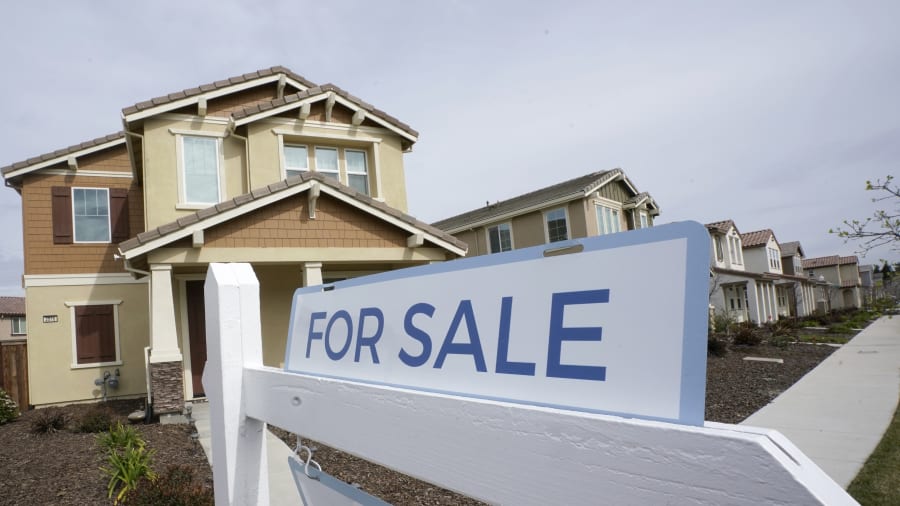
Perhaps you've been hearing a lot about <a href="http://realestate.aol.com/information/short-sale">short sales</a> these days. It's no wonder--the number of short sales on the market has exploded in recent months, as more and more homeowners turn to short sales as a means of avoiding <a href="http://realestate.aol.com/foreclosures">foreclosure</a>.<br />
<br />
Some home buyers seek out short sales in hopes of snagging a good deal. But such sales are not without complications. If you're considering <a href="http://realestate.aol.com/blog/2010/11/19/short-sales-tips-for-home-buyers/">buying a home in a short sale</a>, here's what you need to know.<br />
<br />
<strong>The 411 on Short Sales</strong><br />
When you see a house listed as a short sale, that means the homeowner is trying to sell his property for less than he owes on his <a href="http://realestate.aol.com/real-estate-finance">mortgage</a>. A bank may agree to this when the homeowner is <a href="http://realestate.aol.com/blog/2010/12/09/help-for-underwater-homeowners/?ncid=AOLCOMMre00sharartl0001">underwater on his loan</a> and might otherwise go into foreclosure.<br />
<br />
Unfortunately, the marketplace is such that the amount the homeowner could sell the property for isn't always enough to cover the existing mortgage balance, explains Neil Garfinkel, a real estate attorney based in <a href="http://realestate.aol.com/listings-New%20York-New%20York">New York City</a>. In these cases, a seller would contact the lender and see if it would be willing to take less than the outstanding balance of the <a href="http://realestate.aol.com/real-estate-finance">home loan</a>.<br />
<br />
What's in it for the bank? "Lenders aren't in the business of owning properties," says Garfinkel. "In a foreclosure situation, the lender would have to obtain the property back through a <a href="http://realestate.aol.com/blog/2010/10/22/foreclosure-attorney-fights-florida-evictions/">foreclosure action</a>. They would then have to <a href="http://realestate.aol.com/blog/2010/07/25/home-repair-and-maintenance-guide/">maintain the property</a> and ultimately find someone to <a href="http://realestate.aol.com/information/sell">sell the property</a> to."<br />
<br />
A short sale situation is often compelling for a lender since the seller has already found someone who is willing to take the property. The lender then just has to make the decision whether it thinks the proceeds from the sale are enough to cover at least a portion of the mortgage, says Garfinkel.<br />
<br />
<strong>Making a Bid</strong> <strong>for a Short Sale</strong><br />
Short sales aren't for everyone. They require a great deal of research from the buyer. At the very least, you would need to view the property, identify all the liens and mortgages and get <a href="http://realestate.aol.com/blog/2010/09/09/how-to-get-pre-approved-for-a-mortgage/">preapproved</a> for a loan before making a bid.<br />
<br />
You also should put together a team of professionals who have experience with the short sale process. Garfinkel recommends a <a href="http://realestate.aol.com/blog/2010/09/14/how-to-choose-a-real-estate-agent-to-sell-your-home/">real estate broker</a>, a mortgage professional and perhaps an attorney who all specialize in this type of transaction.<br />
<br />
Once you find a home you like and the seller agrees to your offer, you need a contract that's tailored to a short sale. You'll want your lawyer, for example, to make sure you have the necessary contingencies in the contract, including one that allows you to <a href="http://realestate.aol.com/blog/2010/11/08/negotiating-strategies-for-home-buyers">walk away from the deal</a> if the process takes too long and your mortgage commitment expires, says Garfinkel.<br />
<br />
<strong>The Risks of Buying a Short Sale</strong><br />
What are the risks for a buyer? The biggest one is the loss of time. Lenders control the transaction, and it's entirely possible that a deal could take six months or more to close. It's also not uncommon for a lender to reject a deal after sitting on the paperwork for many months.<br />
<br />
And finally, there's the money. A buyer may spend a fair bit of cash on out-of-pocket expenses, including attorney's fees and a mortgage application, trying to buy a short sale only to find out later that the bank doesn't like the terms of the transaction, says Garfinkel.<br />
<br />
Now that you know what a short sale is, you can weigh the pros and cons and decide whether a short sale could be right for you.<br />
<br />
<span class="150331117-23082010"><em>For more about short sales, these </em></span><span class="150331117-23082010"><em>AOL <a href="http://realestate.aol.com/" target="_blank">Real Estate</a></em><em> </em></span><span class="150331117-23082010"><em> guides can help, whether you're buying or selling:<br />
</em> </span>
<ul>
	<li>
		<a href="http://realestate.aol.com/blog/2010/08/10/sell-your-home-in-a-short-sale/"><span class="150331117-23082010"><em>How to Sell Your Home in a Short Sale<br />
		</em></span></a></li>
	<li>
		<a href="http://realestate.aol.com/blog/2010/11/19/short-sales-tips-for-home-buyers/"><span class="150331117-23082010"><em>Short Sales: Tips for Buyers</em><br />
		<em> </em></span></a></li>
	<li>
		<span class="150331117-23082010"><a href="http://www.housingwatch.com/2010/09/24/underwater-in-phoenix-real-life-tales-of-surviving-a-short-sale/"><em>Real-Life Tales of Surviving a Short Sale</em></a></span></li>
	<li>
		<a href="http://realestate.aol.com/blog/2010/08/10/sell-your-home-in-a-short-sale/"><span class="150331117-23082010"><em>How to Sell Your Home in a Short Sale</em></span></a></li>
</ul>
<br />
<em>More on AOL <a href="http://realestate.aol.com/">Real Estate</a>:</em><br />
<em>Find out how to <a href="http://realestate.aol.com/mortgage-calculator?flv=1">calculate mortgage</a> payments.</em><br />
<em><em>Find <a href="http://realestate.aol.com/homes-for-sale">homes for sale</a> in your area.</em><br />
<em>Find <a href="http://realestate.aol.com/foreclosures">foreclosures</a> in your area.</em><br />
<em>Get <a href="http://realestate.aol.com/tax-advice/top-tax-deductions-by-room">property tax help</a> from our experts.</em></em><p style="clear: both; padding: 8px 0 0 0; height: 2px; font-size: 1px; border: 0; margin: 0; padding: 0;">&nbsp;</p><p><a href="http://realestate.aol.com/blog/2011/01/13/all-about-short-sales/" rel="bookmark" title="Permanent link to this entry">Permalink</a>&nbsp;|&nbsp;<a href="http://realestate.aol.com/blog/forward/19800388/" title="Send this entry to a friend via email">Email this</a>&nbsp;|&nbsp;<a href="http://realestate.aol.com/blog/2011/01/13/all-about-short-sales/#comments" title="View reader comments on this entry">Comments</a></p>]]></description><category>short sales</category><category>video</category><dc:creator>Stacey Bradford</dc:creator><dc:date>2011-01-13T15:18:00 00:00</dc:date></item><item><title>Won't You Be My Neighbor</title><link>http://realestate.aol.com/blog/2010/12/21/wont-you-be-my-neighbor/</link><guid isPermaLink="true">http://realestate.aol.com/blog/2010/12/21/wont-you-be-my-neighbor/</guid><comments>http://realestate.aol.com/blog/2010/12/21/wont-you-be-my-neighbor/#comments</comments><description><![CDATA[<p>
<!--Starting of UEC --></p>
<div id="AOLVP_us_95748596001" style="position: relative; width: 600px; height: 400px; margin: 0pt; padding: 0pt;">
<script>if(typeof AOLVP_cfg==='undefined')AOLVP_cfg=[];AOLVP_cfg.push({id:'AOLVP_us_95748596001','codever':0.1,'autoload':true,'autoplay':true,'playerid':'81512831001','videoid':'95748596001','playlist':true,'featured':'722741256001','publisherid':1612833736,'playertype':'pageload','width':600,'height':400,'videotitle':'What Works Now - Won&amp;#39;t You Be My Neighbor','bgcolor':''});</script></div>
<script src='http://o.aolcdn.com/videoplayer/loader.js'></script><!--End of UEC --><br />
<br />
You've heard it before. When it comes to real estate, only three things matter: location, location, location. That's why it's a good idea to thoroughly <a href="http://realestate.aol.com/neighborhood-index">research a neighborhood</a> before you start looking for a home.<br />
<br />
<strong>The Basics of Neighborhood-Hunting</strong><br />
How do you find the neighborhood that's right for you? Frankly, it can be a challenge. But the best place to start these days is often on the Internet. Buyers can now find all sorts of information online, including <a href="http://www.bestplaces.net/school/" target="_blank">school</a> and <a href="http://www.neighborhoodscout.com/neighborhoods/crime-rates/" target="_blank">crime statistics</a>, as well as demographic information about a neighborhood's residents.<br />
<br />
In addition to researching the quality of a town's schools and the safety of its streets, it's also important to consider how <a href="http://realestate.aol.com/home-values">home values</a> in the area have been faring relative to neighboring towns. That's a critical piece of information when you're trying to determine whether buying a home in a particular location is a good investment.<br />
<br />
When looking for a neighborhood, you also want to find an area that matches your needs and lifestyle. For some buyers that can mean considering proximity to public transportation or access to restaurants and entertainment. Other folks may be more interested in outdoor activities and willing to live a little farther out from a major city.<br />
<br />
Whatever your preferences, you'll be happier if you put in the effort up front to find the town that's the right fit for you.<br />
<br />
<strong>How to Research Neighborhoods</strong><br />
Due to the protections of the Fair Housing Act, real estate agents can't share information on school statistics, voting habits or religions in an area. But they can direct you to websites such as <a href="http://schoomatters.com" target="_blank">Schoolmatters.com</a> or to local houses of worship where you'll be able to find more information on your own. You can also get a feel for life in a particular neighborhood by visiting it during different times of the day and evening.<br />
<br />
To make your neighborhood hunt more efficient, consider narrowing down your options by using the nifty search features on a site like <a href="http://neighborhoodscout.com" target="_blank">Neighborhoodscout.com</a>.<br />
<br />
"One of the really unique features that we offer on Neighborhoodscout.com is a match feature," says Andrew Schiller, co-founder and president of the site. "You could just type in an address from a neighborhood where you used to live or a neighborhood that you love and would have always wanted to live and find the neighborhoods that are the most similar to it anywhere you want to be."<br />
<br />
The matching feature can be really helpful for buyers who are relocating to an unfamiliar part of the country and need help differentiating one neighborhood from another. It's also useful when buyers are trying to decide which part of a larger town has the better schools and higher home price appreciation, says Schiller.<br />
<br />
"I let people express what it is that they want in a neighborhood and the area that they need to be in, and the search engine Neighborhoodscout will actually find it for them," Schiller says.<br />
<br />
Why are we putting so much emphasis on neighborhoods? Well, if a house isn't perfect, you can change it by making repairs and renovations. But if you don't like your neighborhood, your options are much more limited. Luckily, with all the resources at your disposal, it's easier than ever to find your ideal neighborhood match.<br />
<br />
<em>Interested in learning more about the home buying process? Check out these </em><em>AOL <a href="http://realestate.aol.com/" target="_blank">Real Estate</a></em><em> videos:<br />
<br />
</em>
<ul>
	<li>
		<a href="http://realestate.aol.com/blog/2010/08/25/inside-home-inspections-tag-along-with-a-pro" target="_blank"><em>Home Inspections: It Pays to Know What You're Buying<br />
		</em></a></li>
	<li>
		<a href="http://realestate.aol.com/blog/2010/09/28/can-fixer-uppers-work-for-first-timers" target="_blank"><em>Can Fixer-Uppers Work for First Timers?</em></a></li>
	<li>
		<a href="http://realestate.aol.com/blog/2010/09/13/common-mistakes-homebuyers-make"><em>Common Mistakes Home Buyers Make</em></a></li>
	<li>
		<a href="http://realestate.aol.com/home-buying-answers"><em>Negotiating Strategies for Buyers</em></a></li>
</ul>
<br />
<em>More on AOL <a href="http://realestate.aol.com/">Real Estate</a>:<br />
Find out how to <a href="http://realestate.aol.com/mortgage-calculator?flv=1">calculate mortgage</a> payments.<br />
Find <a href="http://realestate.aol.com/homes-for-sale">homes for sale</a> in your area.<br />
Find <a href="http://realestate.aol.com/foreclosures">foreclosures</a> in your area.<br />
Get <a href="http://realestate.aol.com/tax-advice/top-tax-deductions-by-room">property tax help</a> from our experts.</em><p style="clear: both; padding: 8px 0 0 0; height: 2px; font-size: 1px; border: 0; margin: 0; padding: 0;">&nbsp;</p><p><a href="http://realestate.aol.com/blog/2010/12/21/wont-you-be-my-neighbor/" rel="bookmark" title="Permanent link to this entry">Permalink</a>&nbsp;|&nbsp;<a href="http://realestate.aol.com/blog/forward/19772265/" title="Send this entry to a friend via email">Email this</a>&nbsp;|&nbsp;<a href="http://realestate.aol.com/blog/2010/12/21/wont-you-be-my-neighbor/#comments" title="View reader comments on this entry">Comments</a></p>]]></description><category>video</category><category>WhatWorksNow</category><dc:creator>Stacey Bradford</dc:creator><dc:date>2010-12-21T13:04:00 00:00</dc:date></item><item><title>Viewers' Choice Video: 2011 Housing Market Outlook with Barbara Corcoran</title><link>http://realestate.aol.com/blog/2010/12/17/viewers-choice-video-2011-housing-market-outlook-with-barbara/</link><guid isPermaLink="true">http://realestate.aol.com/blog/2010/12/17/viewers-choice-video-2011-housing-market-outlook-with-barbara/</guid><comments>http://realestate.aol.com/blog/2010/12/17/viewers-choice-video-2011-housing-market-outlook-with-barbara/#comments</comments><description><![CDATA[<!--Starting of UEC -->
<div id="AOLVP_us_95748596001" style="position: relative; width: 600px; height: 400px; margin: 0pt; padding: 0pt;">
<script>if(typeof AOLVP_cfg==='undefined')AOLVP_cfg=[];AOLVP_cfg.push({id:'AOLVP_us_95748596001','codever':0.1,'autoload':true,'autoplay':true,'playerid':'81512831001','videoid':'95748596001','playlist':true,'featured':'722741257001','publisherid':1612833736,'playertype':'pageload','width':600,'height':400,'videotitle':'What Works Now - 2011 Housing Market Outlook','bgcolor':''});</script></div>
<script src='http://o.aolcdn.com/videoplayer/loader.js'></script><!--End of UEC --><br />
<br />
After a roller-coaster year like the one we've just been through, our viewers told us they want to know what's going to happen in the real estate market next year. For a glimpse at what the future might hold, we sat down with real estate expert Barbara Corcoran for her take on what buyers, sellers and owners can expect in 2011.<br />
<br />
<strong>The State of the Market in General</strong><br />
Anyone who bought or sold a home in 2010 can tell you that it was a challenging year for real estate. Corcoran described it as "choppy" and more than anything else, "confused."<br />
<br />
Looking ahead, however, there are a couple of wild cards out there that could make the real estate market in 2011 look very different. First, says Corcoran, if the job market improves, we will see an immediate improvement in the residential market. So that's good news for sellers.<br />

<br />
Next is a government incentive similar to last year's first-time homebuyer tax credit. "If the government comes in with some great incentives, as they did last year, first time homebuyers will get a jump up in the real estate market as well," Corcoran says.<br />
<br />
Lastly, Corcoran points out that the health of the real estate market is at least somewhat in the hands of the media. "The more that's written about how terrible the housing market is, the more apt people are to sit back and do nothing," she says.<br />
<br />
<strong>Advice for Buyers</strong><br />
We next asked Corcoran if she had any advice for a buyer who is planning to purchase a home in 2011 and might be a little bit nervous about the uncertain state of the market.<br />
<br />
"Of course anyone in this market with so many mixed signals is nervous about buying," she acknowledges. "But my advice would be to not wait. If there is one thing I've learned about this real estate market, it is that it usually takes a very long time to unwind but once it decides to turn around, those prices will move up very quickly and you'll just be joining every other Tom, Dick and Harry out there bidding on the same house."<br />
<br />
Corcoran also points out that now is a particularly good time to buy since interest rates are so low. Just five years ago rates were up at 8 percent. Now they are down at 4.5 percent. "That is a phenomenal savings and people don't realize it," she says.<br />
<br />
Unfortunately, Corcoran doesn't expect many buyers to jump on this opportunity. "What happens in the real estate business is that people are more comfortable buying when everyone else out there is buying and overbidding on property," she says. For some reason, folks feel like they are making a smart decision if they are moving along with the herd.<br />
<br />
<strong>Advice for Sellers</strong><br />
What's Corcoran's best advice for sellers in 2011? They need to do a couple of things: First, they should be thinking about pricing their home for exactly what it's worth. The strategy of pricing a home high and letting buyers make a lower offer can backfire, she warns.<br />
<br />
"In today's market, it takes seven bids from buyers to get one acceptable price," Corcoran says. "If you haven't gotten seven bids, you have no hope of selling a home. So you want to price it right against the bone so people are willing to bid."<br />
<br />
Her second piece of advice for sellers is to realize you are in competition with your neighbors. "They are competing with you to sell their house, so you had better make sure that yours is prettier than theirs," she says.<br />
<br />
How do you do that? You make the inexpensive improvements that buy you some "fashion sense." You even consider staging your home and renting furniture. You do the little things that people notice--"whatever you need to do to make your house compete best with the neighbor that is selling his home," she says.<br />
<br />
<strong>Will Home Prices Rebound in 2011?</strong><br />
Some would-be sellers are sitting on the sidelines now and waiting for home prices to return to their pre-bubble prices. We asked Corcoran if that's a wise move and whether home prices will rebound any time soon.<br />
<br />
The good news, she says, is that she wouldn't be surprised if prices returned to the same level--and then push even higher--within the next three years. "Real estate markets can recover much faster than they can fall," she says. "I've seen it time and time again. And so miracles can happen."<br />
<br />
Of course, no one knows for certain what the future holds. Even data can be misleading. The best move for buyers and sellers alike? Carefully consider your own unique situation, do your homework and seek out advice from trusted sources to help ensure you are protecting your long-term financial success with any of the moves you plan to make.<br />
<br />
<p><a href="http://realestate.aol.com/blog/2010/12/17/viewers-choice-video-2011-housing-market-outlook-with-barbara/#poll57816">View Poll</a></p><br />
<em>Interested in learning more about the home buying process? Check out these AOL <a href="http://realestate.aol.com/" target="_blank">Real Estate</a> videos:</em><br />
<br />
<em> <a href="http://realestate.aol.com/home-buying-answers">What Real Estate Agents Can't Tell You </a><br />
<a href="http://realestate.aol.com/blog/2010/09/13/common-mistakes-homebuyers-make">Common Home Buying Mistakes</a><br />
<a href="http://realestate.aol.com/blog/2010/09/28/can-fixer-uppers-work-for-first-timers">Fixer-Uppers for First-Timers?</a><br />
<a href="http://realestate.aol.com/blog/2010/10/21/the-costs-of-home-ownership">What It Costs to Own a Home</a></em><br />
<br />
<em>More on AOL <a href="http://realestate.aol.com/">Real Estate</a>:</em><br />
<em><em>Find out how to <a href="http://realestate.aol.com/mortgage-calculator?flv=1">calculate mortgage</a> payments.</em><br />
<em>Find <a href="http://realestate.aol.com/homes-for-sale">homes for sale</a> in your area.</em><br />
<em>Find <a href="http://realestate.aol.com/foreclosures">foreclosures</a> in your area.</em><br />
<em>Get <a href="http://realestate.aol.com/tax-advice/top-tax-deductions-by-room">property tax help</a> from our experts.</em></em><p style="clear: both; padding: 8px 0 0 0; height: 2px; font-size: 1px; border: 0; margin: 0; padding: 0;">&nbsp;</p><p><a href="http://realestate.aol.com/blog/2010/12/17/viewers-choice-video-2011-housing-market-outlook-with-barbara/" rel="bookmark" title="Permanent link to this entry">Permalink</a>&nbsp;|&nbsp;<a href="http://realestate.aol.com/blog/forward/19768583/" title="Send this entry to a friend via email">Email this</a>&nbsp;|&nbsp;<a href="http://realestate.aol.com/blog/2010/12/17/viewers-choice-video-2011-housing-market-outlook-with-barbara/#comments" title="View reader comments on this entry">Comments</a></p>]]></description><category>video</category><dc:creator>Stacey Bradford</dc:creator><dc:date>2010-12-17T22:16:00 00:00</dc:date></item><item><title>What a Real Estate Agent Can't Tell You</title><link>http://realestate.aol.com/blog/2010/12/06/what-a-real-estate-agent-cant-tell-you/</link><guid isPermaLink="true">http://realestate.aol.com/blog/2010/12/06/what-a-real-estate-agent-cant-tell-you/</guid><comments>http://realestate.aol.com/blog/2010/12/06/what-a-real-estate-agent-cant-tell-you/#comments</comments><description><![CDATA[<span style="font-size: 12pt; line-height: 115%;"><script src='http://o.aolcdn.com/videoplayer/loader.js'></script><!--End of UEC --></span><!--Starting of UEC -->
<div id="AOLVP_us_95748596001" style="position: relative; width: 600px; height: 400px; margin: 0pt; padding: 0pt;">
<script>if(typeof AOLVP_cfg==='undefined')AOLVP_cfg=[];AOLVP_cfg.push({id:'AOLVP_us_95748596001','codever':0.1,'autoload':true,'autoplay':true,'playerid':'81512831001','videoid':'95748596001','playlist':true,'featured':'703577482001','publisherid':1612833736,'playertype':'pageload','width':600,'height':400,'videotitle':'What Works Now - What a Real Estate Agent Can&amp;#39;t Tell You','bgcolor':''});</script></div>
<script src='http://o.aolcdn.com/videoplayer/loader.js'></script><!--End of UEC --><br />
<br />
<div class="buttons">
	<div style="text-align: center;">
		<span style="font-size: 12pt; line-height: 115%;"><a class="hbutton" href="http://realestate.aol.com/blog/2010/12/08/video-transcript-realtor-disclosures" id="BOAMeetPanelists">Video Transcript for Hearing Impaired</a></span></div>
	<div class="clear">
		 </div>
</div>
<div>
	<br />
	<br />
	<span style="font-size: 12pt; line-height: 115%;">A good real estate agent is very familiar with the neighborhoods where he or she shows properties. But because of legislation called the Fair Housing Act, the agent can't legally share all of that information with you.<br />
	<br />
	Why the restrictions? The government wants to make sure that home purchase decisions are based on a property's fair market value and not factors such as race, religion or ethnicity. In other words, the law is meant to stop agents from steering clients toward or away from certain neighborhoods.<br />
	<br />
	<span style="font-size: 12pt; line-height: 115%;"> </span></span></div>
<div>
	<span style="font-size: 12pt; line-height: 115%;"><span style="font-size: 12pt; line-height: 115%;">What can't a real estate agent discuss with a buyer? We asked </span><span style="font-size: 12pt; line-height: 115%;">Scott Klein, an agent based in New York City, to give us a rundown on the topics that are off-limits. </span><br />
	<span style="font-size: 12pt; line-height: 115%;"> </span></span></div>
<div>
	 </div><br />
<span style="font-size: 12pt; line-height: 115%;"><span style="font-size: 12pt; line-height: 115%;"><strong>The Do-Not-Ask List</strong><br />
<br />
<strong>Household income: </strong>Wondering if a neighborhood is considered upscale? Don't bother asking your agent. Klein says he can't discuss economic class with prospective buyers.<br />
<br />
But it's relatively easy to find demographic information online, including average household income for a particular area. At </span><span style="font-size: 12pt; line-height: 115%;"><a href="http://neighborhoodscout.com/" target="_blank">Neighborhood Scout</a>, for example, you can get a description of a neighborhood's "look, feel and character" that includes information about residents' age, income level, ethnicity and other factors. </span><br />
<span style="font-size: 12pt; line-height: 115%;"> </span></span>
<div>
	<br />
	<span style="font-size: 12pt; line-height: 115%;"><span style="font-size: 12pt; line-height: 115%;"><strong>Schools:</strong> As with income level, sharing information about schools </span><span style="font-size: 12pt; line-height: 115%;">"might be perceived as steering someone into a certain neighborhood," says Klein. </span><span style="font-size: 12pt; line-height: 115%;">"</span><span style="font-size: 12pt; line-height: 115%;">However, as a <a href="http://www.realtor.org/realtororg.nsf/pages/AboutREALTORS?OpenDocument">Realtor</a> I can direct people to sources of information about education in that area."</span></span></div>
<div>
	<br />
	<span style="font-size: 12pt; line-height: 115%;"><span style="font-size: 12pt; line-height: 115%;">Here, too, the web offers prospective home buyers a wealth of information. Buyers can find useful school statistics, including enrollment, class size, and reading and math scores, at sites like <a href="http://schoolmatters.com/" target="_blank">School Matters</a> and <a href="http://greatschools.org/" target="_blank">Great Schools</a>.</span></span></div>
<div>
	<br />
	<span style="font-size: 12pt; line-height: 115%;"><span style="font-size: 12pt; line-height: 115%;"><strong>Religion: </strong>The religious makeup of a neighborhood is another topic that's off-limits for real estate agents to discuss. If a buyer wants to find out about active religious communities in a particular neighborhood, Klein directs them to local houses of worship for information.<br />
	</span></span></div>
<br />
<div>
	<span style="font-size: 12pt; line-height: 115%;"><span style="font-size: 12pt; line-height: 115%;"><strong>Crime statistics: </strong>Surely an agent can answer questions about local crime statistics, right? That's pretty public information. But it turns out that even this data is considered a sensitive topic under the Fair Housing Act.<br />
	<br />
	</span></span></div>
<div>
	<span style="font-size: 12pt; line-height: 115%;"><span style="font-size: 12pt; line-height: 115%;">Once again, buyers have to do their own research to find out if a certain neighborhood is considered safe. Homebuyers can find crime statistics online, including where sex offenders live, by logging onto <a href="http://familywatchdog.us/" target="_blank">Family Watchdog</a>.</span></span></div>
<div>
	<br />
	<span style="font-size: 12pt; line-height: 115%;"><span style="font-size: 12pt; line-height: 115%;">Klein also recommends that his clients pay a visit to the local police precinct and walk around the neighborhood to get a feel for it at during different times of the day. </span></span></div>
<div>
	<br />
	<span style="font-size: 12pt; line-height: 115%;"><span style="font-size: 12pt; line-height: 115%;"><strong>Environmental concerns: </strong>A buyer would want to know if, say, a home is located near a Superfund site. </span><span style="font-size: 12pt; line-height: 115%;">In general, a real estate agent isn't going to be much help when it comes to neighborhood environmental issues. Buyers will need to figure this out on their own. One way is to visit the <a href="http://epa.gov/" target="_blank">EPA's web site</a>, which includes a database of environmental information, searchable by Zip code.<br />
	<br />
	The one exception to this rule is if there is an environmental problem with a specific home. "If it pertains to that particular property, and it's something I have knowledge of, I am required to disclose that," Klein says.</span></span></div>
<div>
	<br />
	<span style="font-size: 12pt; line-height: 115%;"><span style="font-size: 12pt; line-height: 115%;">So why use an agent if you have to do so much information-gathering yourself? An agent can show you homes, guide you through the buying process from start to finish and help you negotiate the best deals with sellers.<br />
	<br />
	<em>Interested in learning more about the home buying process? Check out these </em></span><span class="150331117-23082010"><em>AOL <a href="http://realestate.aol.com/" target="_blank">Real Estate</a></em><em> </em></span><span class="150331117-23082010"><em>videos:<br />
	<br />
	</em> </span></span>
	<ul>
		<li>
			<span style="font-size: 12pt; line-height: 115%;"><span class="150331117-23082010"><a href="http://realestate.aol.com/blog/2010/08/25/inside-home-inspections-tag-along-with-a-pro" target="_blank"><em>Home Inspections: It Pays to Know What You're Buying<br />
			</em></a></span></span></li>
		<li>
			<span style="font-size: 12pt; line-height: 115%;"><span class="150331117-23082010"><a href="http://realestate.aol.com/blog/2010/09/28/can-fixer-uppers-work-for-first-timers" target="_blank"><em>Can Fixer-Uppers Work for First Timers?</em></a><br />
			<em> </em></span></span></li>
		<li>
			<span style="font-size: 12pt; line-height: 115%;"><span class="150331117-23082010"><a href="http://realestate.aol.com/blog/2010/09/13/common-mistakes-homebuyers-make"><em>Common Mistakes Home Buyers Make</em></a></span></span></li>
		<li>
			<span style="font-size: 12pt; line-height: 115%;"><span class="150331117-23082010"><a href="http://realestate.aol.com/home-buying-answers"><em>Negotiating Strategies for Buyers</em></a></span></span></li>
	</ul>
	<br />
	<span style="font-size: 12pt; line-height: 115%;"><em>More on AOL <a class="inlinked" href="http://realestate.aol.com/">Real Estate</a>:<br />
	Find out how to <a class="inlinked" href="http://realestate.aol.com/mortgage-calculator?flv=1">calculate mortgage</a> payments.<br />
	Find <a class="inlinked" href="http://realestate.aol.com/homes-for-sale">homes for sale</a> in your area.<br />
	Find <a class="inlinked" href="http://realestate.aol.com/foreclosures">foreclosures</a> in your area.<br />
	Get <a class="inlinked" href="http://realestate.aol.com/tax-advice/top-tax-deductions-by-room">property tax help</a> from our experts.</em><br />
	<em> </em><br />
	<em> </em></span></div><p style="clear: both; padding: 8px 0 0 0; height: 2px; font-size: 1px; border: 0; margin: 0; padding: 0;">&nbsp;</p><p><a href="http://realestate.aol.com/blog/2010/12/06/what-a-real-estate-agent-cant-tell-you/" rel="bookmark" title="Permanent link to this entry">Permalink</a>&nbsp;|&nbsp;<a href="http://realestate.aol.com/blog/forward/19748567/" title="Send this entry to a friend via email">Email this</a>&nbsp;|&nbsp;<a href="http://realestate.aol.com/blog/2010/12/06/what-a-real-estate-agent-cant-tell-you/#comments" title="View reader comments on this entry">Comments</a></p>]]></description><category>video</category><dc:creator>Stacey Bradford</dc:creator><dc:date>2010-12-06T15:11:00 00:00</dc:date></item><item><title>Advice From a First-Time Homebuyer</title><link>http://realestate.aol.com/blog/2010/11/22/advice-from-a-first-time-homebuyer/</link><guid isPermaLink="true">http://realestate.aol.com/blog/2010/11/22/advice-from-a-first-time-homebuyer/</guid><comments>http://realestate.aol.com/blog/2010/11/22/advice-from-a-first-time-homebuyer/#comments</comments><description><![CDATA[<!--Starting of UEC -->
<div id="AOLVP_us_95748596001" style="position: relative; width: 600px; height: 400px; margin: 0pt; padding: 0pt;">
<script>if(typeof AOLVP_cfg==='undefined')AOLVP_cfg=[];AOLVP_cfg.push({id:'AOLVP_us_95748596001','codever':0.1,'autoload':true,'autoplay':true,'playerid':'81512831001','videoid':'95748596001','playlist':true,'featured':'697446197001','publisherid':1612833736,'playertype':'pageload','width':600,'height':400,'videotitle':'What Works Now - First Time Home Buyer Recounts Home Buying Process','bgcolor':''});</script></div>
<script src='http://o.aolcdn.com/videoplayer/loader.js'></script><!--End of UEC --><br />
<br />
<br />
<div class="buttons">
	<div style="text-align: center;">
		<a href="http://realestate.aol.com/blog/2010/12/07/video-transcript-advice-from-a-first-time-homebuyer/"><span class="hbutton">Video Transcript for Hearing Impaired</span></a></div>
	<div class="clear">
		 </div>
</div>
<div>
	<br />
	When it comes time to purchase your first home, plenty of professionals out there can give you guidance and advice--real-estate agents, attorneys, lenders, and inspectors, to name just a few. But one of the best ways to learn about the home-buying experience is to talk to somebody who's been through the process.<br />
	<br />
	Somebody, for example, like Gary Parker.<br />
	<br />
	Parker, a first-time homeowner, bought his house this past summer. The government's first time home buyer tax credit was the signal to him that the time was finally right. "There was a deadline coming up, and I made it just in time."<br />
	<br />
	Along the way, he learned some valuable lessons about how to make a first-time home purchase go smoothly. <em>What Works Now</em> sat down with him in his new living room to find out how he handled the steps along the way and what advice he'd give to fellow first-timers.</div>
<div>
	 </div>
<div>
	 </div>
<div>
	 </div><strong>Get preapproved for a mortgage</strong><br />
Before Parker even started looking at homes, he decided to get preapproved for a loan. "I actually found it incredibly helpful for two reasons," he says. "One, it signaled to the sellers that I was serious buyer and I was getting ready to make a move. And second, it really helped me to understand what kind of home I could afford and what would fit within my budget."
<div>
	<br />
	Parker chose a 30-year fixed rate loan to take advantage of today's historically low mortgage rates. "I wanted to make sure that I got that really low interest rate," he says, "and locked it in for a long time."<br />
	<br />
	<strong>Find the right real estate agent</strong></div>
<div>
	If Parker has one regret about his home-buying experience, it's that he didn't start working with a real-estate agent sooner. When he finally did, the process of house-hunting got a whole lot easier.<br />
	<br />
	"My agent was a friend of mine," Parker says. "I only wish that I had reached out to him a long time before I did. He was able to point me in the direction me to the neighborhoods that I should consider, and he had access to listings that weren't necessarily posted online. So with his help I was able to really move the process quickly."</div>
<div>
	<br />
	Many first time homebuyers are amazed by how long it can take to find the right place. "I must have gone to over 50 open houses," Parker says. "But it was worth the time invested. You really want to make sure that the home you're purchasing is just that--a home. The second I walked into my new place, I knew that was it, that I was home."</div>
<div>
	<br />
	<strong>Know what's on your wish list</strong><br />
	Even before Parker started his search, he had a list of things he was looking for. The first was a place that was move-in ready. "I didn't want to have to do any work before I got there," he says.<br />
	<br />
	Second was a view--"something that I could just look out onto and daydream." Third--and, he says, most important--was a neighborhood where his mother and six-year-old niece could wander around and feel comfortable. The area he settled on, with parks, bike paths, and access to public transportation, perfectly fit the bill.<br />
	<br />
	<strong> Be prepared for the occasional obstacle</strong><br />
	Even transactions that proceed smoothly still run into the occasional obstacle. In Parker's case, he had a difficulty working with the seller. "She really slowed things down and took her time returning calls and paperwork," he says. "And on the day of the closing, she tried to negotiate additional money." Luckily, his agent was able to take charge of the situation and got the deal closed.</div>
<div>
	<br />
	Is there anything Parker would do differently if he were to start the process all over again?</div>
<div>
	<br />
	"The one thing that I would have done differently is that I would have hired my broker sooner," he says. "He really helped with every part of this process."</div>
<div>
	<br />
	Now that you've heard a homeowner's first-hand experience, you should have some great insights on what to expect when you buy your first home.</div>
<div>
	<br />
	<i><em><span style="">Interested in learning more about the home buying process? Here are some </span></em></i><a href="http://www.realestate.aol.com/"><em><span style="">AOL real estate</span></em></a><em><span style=""> guides that can help: </span></em><br />
	<br />
	<a href="http://video.aol.com/aolvideo/aol-real-estate/what-works-now-can-fixer-uppers-work-for-first-timers/621025352001">Can Fixer-Uppers Work for First Timers?</a><br />
	<a href="http://realestate.aol.com/blog/2010/09/13/common-mistakes-homebuyers-make">Common Mistakes Homebuyers Make</a><br />
	<a href="http://realestate.aol.com/blog/2010/08/09/real-estate-appraisals-101">Real Estate Appraisals 101</a></div><p style="clear: both; padding: 8px 0 0 0; height: 2px; font-size: 1px; border: 0; margin: 0; padding: 0;">&nbsp;</p><p><a href="http://realestate.aol.com/blog/2010/11/22/advice-from-a-first-time-homebuyer/" rel="bookmark" title="Permanent link to this entry">Permalink</a>&nbsp;|&nbsp;<a href="http://realestate.aol.com/blog/forward/19729317/" title="Send this entry to a friend via email">Email this</a>&nbsp;|&nbsp;<a href="http://realestate.aol.com/blog/2010/11/22/advice-from-a-first-time-homebuyer/#comments" title="View reader comments on this entry">Comments</a></p>]]></description><category>video</category><dc:creator>Stacey Bradford</dc:creator><dc:date>2010-11-22T15:24:00 00:00</dc:date></item><item><title>Understanding Home Loans - Mortgages 101</title><link>http://realestate.aol.com/blog/2010/11/15/mortgages-101/</link><guid isPermaLink="true">http://realestate.aol.com/blog/2010/11/15/mortgages-101/</guid><comments>http://realestate.aol.com/blog/2010/11/15/mortgages-101/#comments</comments><description><![CDATA[<!--Starting of UEC -->
<div id="AOLVP_us_95748596001" style="position: relative; width: 600px; height: 400px; margin: 0pt; padding: 0pt;">
<script>if(typeof AOLVP_cfg==='undefined')AOLVP_cfg=[];AOLVP_cfg.push({id:'AOLVP_us_95748596001','codever':0.1,'autoload':true,'autoplay':true,'playerid':'81512831001','videoid':'95748596001','playlist':true,'featured':'697452653001','publisherid':1612833736,'playertype':'pageload','width':600,'height':400,'videotitle':'What Works Now - Understanding Mortgages','bgcolor':''});</script></div>
<script src='http://o.aolcdn.com/videoplayer/loader.js'></script><!--End of UEC --><br />
<br />
<div class="buttons">
	<div style="text-align: center;">
		<a class="hbutton" href="http://realestate.aol.com/blog/2010/12/02/video-transcript-homebuyer-mortgage-process" id="BOAMeetPanelists">Video Transcript for Hearing Impaired</a></div>
	<div class="clear">
		 </div>
</div>
<br />
Getting a mortgage can be a complex process, especially for a first-time home buyer. When you're looking at your loan options, you'll want to find out the difference between mortgage types so that you'll know which is best for you and fits comfortably into your monthly budget.<br />
<br />
Sometimes the best way to learn about a process is to see it through the eyes of someone who has experienced it. So we sat down with Christine Chin, a first time homebuyer in New York City. She described the steps in the process, and what she learned along the way.
<div>
	 </div><br />
<strong>Lining Up Financing<br />
</strong>
<div>
	Before Chin even started to look at properties, she paid a visit to her local bank to talk about financing. While getting prequalified or preapproved for a mortgage isn't a requirement for buyers, it's a good idea.<br />
	<br />
	Getting prequalified and then preapproved lets you know what your loan program and the amount you can borrow will look like in advance. This can give you a big advantage at different stages of your house hunt, from helping you prepare your budget and set your expectations, to strengthening your negotiating position with the seller when you're making an offer on a home.<br />
	<br />
	"It really helped to know in terms of budgeting," Chin says.<br />
	<br />
	The process was straightforward. The bank--in this case the same one where Chin and her husband kept a checking account--asked for some additional credit and loan information, then preapproved the couple for a mortgage. Sometimes, this is also referred to as prequalified because some lenders require you to have a home picked out before they will preapprove the mortgage request.</div>
<div>
	<br />
	<strong>Selecting a Mortgage Product<br />
	</strong></div>
<div>
	Another decision Chin needed to make was whether to choose a fixed-rate loan or an adjustable mortgage. A fixed-rate loan maintains the same interest rate and monthly principle and interest payment for the entire term. Most borrowers choose either a 30-year or 15-year fixed-rate term, though other fixed terms may be available.<br />
	<br />
	An adjustable rate mortgage (ARM) usually starts with a fixed term--often five or seven years--and then resets periodically, usually every six to twelve months, in line with current interest rates. This means the interest rate--and the monthly payment--can fluctuate over time, so you should carefully consider your ability to handle potential increases.</div>
<div>
	<br />
	Chin chose a 30-year fixed-rate mortgage. "It had the lowest monthly payment, and I liked having a fixed rate so I knew exactly what I would be paying every month."</div>
<div>
	<br />
	Another way to lower the interest rate on a mortgage is by buying points, which are fees paid to the lender at closing in exchange for a lower interest rate over the life of the loan (each point represents 1% of the loan amount). Whether buying points makes sense for you depends in large part on how long you plan to stay in the home. The longer you stay, the more you can benefit from buying points.</div>
<div>
	<br />
	<strong>Getting a Good Faith Estimate</strong></div>
<div>
	After she completed her loan application, Chin received a Good Faith Estimate--a list of all the costs associated with closing the loan, including bank fees and third-party fees. "The Good Faith Estimate was definitely very helpful," Chin says.<br />
	<br />
	"It listed estimated fees we would owe the lender when closing came around, so we knew what to put aside." Typically, closing costs come to about 3% of the total loan amount, depending on where you live and the size of the loan.</div>
<br />
<div>
	"Next in the process was the appraisal of the property and the inspection, and then we just waited to be approved" Chin says.</div>
<div>
	<br />
	<strong>Preparing for the Closing</strong></div>
<div>
	Before the closing, Chin received a HUD-1 Settlement Statement, with a final list of fees she owed at closing. Her lawyer compared it to the Good Faith Estimate to make sure the numbers matched.</div>
<div>
	<br />
	Once everything was approved by the bank and the lawyer, the couple signed all the paperwork, handed over a cashier's check for their down payment and closing costs and received the keys to their new home.<br />
	<br />
	Says Chin, "It was a great feeling."</div>
<br />
<em>Interested in learning more about the home buying process? Check out these </em><span class="150331117-23082010"><em>AOL <a href="http://realestate.aol.com/" target="_blank">Real Estate</a></em><em> </em></span><span class="150331117-23082010"><em>videos:<br />
<br />
</em> </span>
<ul>
	<li>
		<span class="150331117-23082010"><a href="http://realestate.aol.com/blog/2010/08/17/home-inspections-it-pays-to-know-what-youre-buying" target="_blank"><em>Video: Home Inspections: It Pays to Know What You're Buying<br />
		</em></a></span></li>
	<li>
		<span class="150331117-23082010"><a href="http://realestate.aol.com/blog/2010/09/28/can-fixer-uppers-work-for-first-timers" target="_blank"><em>Video: Can Fixer-Uppers Work for First Timers? </em></a></span></li>
	<li>
		<span class="150331117-23082010"><a href="http://realestate.aol.com/blog/2010/09/13/common-mistakes-homebuyers-make" target="_blank"><em>Video: Common Mistakes Home Buyers Make</em></a><br />
		<em> </em></span></li>
</ul>
<br />
<em>More on AOL <a class="inlinked" href="http://realestate.aol.com/">Real Estate</a>:<br />
Find out how to <a class="inlinked" href="http://realestate.aol.com/mortgage-calculator?flv=1">calculate mortgage</a> payments.<br />
Find <a class="inlinked" href="http://realestate.aol.com/homes-for-sale">homes for sale</a> in your area.<br />
Find <a class="inlinked" href="http://realestate.aol.com/foreclosures">foreclosures</a> in your area.<br />
Get <a class="inlinked" href="http://realestate.aol.com/tax-advice/top-tax-deductions-by-room">property tax help</a> from our experts.</em><p style="clear: both; padding: 8px 0 0 0; height: 2px; font-size: 1px; border: 0; margin: 0; padding: 0;">&nbsp;</p><p><a href="http://realestate.aol.com/blog/2010/11/15/mortgages-101/" rel="bookmark" title="Permanent link to this entry">Permalink</a>&nbsp;|&nbsp;<a href="http://realestate.aol.com/blog/forward/19719042/" title="Send this entry to a friend via email">Email this</a>&nbsp;|&nbsp;<a href="http://realestate.aol.com/blog/2010/11/15/mortgages-101/#comments" title="View reader comments on this entry">Comments</a></p>]]></description><category>video</category><dc:creator>Stacey Bradford</dc:creator><dc:date>2010-11-15T13:42:00 00:00</dc:date></item><item><title>Negotiating Strategies for Homebuyers</title><link>http://realestate.aol.com/blog/2010/11/08/negotiating-strategies-for-home-buyers/</link><guid isPermaLink="true">http://realestate.aol.com/blog/2010/11/08/negotiating-strategies-for-home-buyers/</guid><comments>http://realestate.aol.com/blog/2010/11/08/negotiating-strategies-for-home-buyers/#comments</comments><description><![CDATA[<!--Starting of UEC -->
<div id="AOLVP_us_95748596001" style="position: relative; width: 600px; height: 400px; margin: 0pt; padding: 0pt;">
<script>if(typeof AOLVP_cfg==='undefined')AOLVP_cfg=[];AOLVP_cfg.push({id:'AOLVP_us_95748596001','codever':0.1,'autoload':true,'autoplay':true,'playerid':'81512831001','videoid':'95748596001','playlist':true,'featured':'676422140001','publisherid':1612833736,'playertype':'pageload','width':600,'height':400,'videotitle':'What Works Now - Negotiating a Home Purchase','bgcolor':''});</script></div>
<script src='http://o.aolcdn.com/videoplayer/loader.js'></script><!--End of UEC --><br />
<br />
<div class="buttons">
	<div style="text-align: center;">
		<a class="hbutton" href="http://realestate.aol.com/blog/2010/11/12/video-transcript-negotiate-a-home-sale/" id="BOAMeetPanelists">Video Transcript for Hearing Impaired</a></div>
	<div class="clear">
		 </div>
</div>
<br />
<br />
<div>
	These days, homebuyers have the upper hand in real estate transactions. But don't expect sellers to accept just any offer. When negotiating a home purchase, you still need to do your homework and determine a fair market value for a property. And if you're savvy, you may be able to get some extras--such as a home warranty or cash for closing costs--included in the deal.<br />
	<br />
	Here's some expert advice on how you can haggle like a pro.</div><strong>Check out other homes<br />
</strong>Start by doing some market research. That will give you the background you need to kick off your negotiations.<br />
<br />
"Given that we're in a buyer's market, buyers don't typically pay the asking price," says Bryant Roman, a real estate attorney in Brooklyn, New York. But that doesn't mean you can just go in and offer 10% to 15% below the asking price.<br />
<br />
"In a buyer's market it may be tempting to come in with a very low first offer," he says. "While some sellers may respond, keep in mind that you do run the risk of offending the homeowner and having him refuse to even give you a counter offer."<br />
<br />
Instead, Roman advises buyers to do a search of comparable sales--or "comps"--and find out what similar properties sold for in that neighborhood.<br />
<br />
A buyer may also want to look at what's called the list-to-sales ratio. This figure tells you at what price a property was initially listed and the price at which it ultimately sold. A real estate agent can help you do this.<br />
<br />
<a name="#poll53988"></a><div id="poll53988_div"><table class="poll" id="poll53988"><caption>Which topic would you most like to see on What Works Now's Readers Choice video?</caption><tr class="alt"><th scope="row">Won't You Be My Neighbor?  Picking a house is tough enough - what should I consider when evaluating a potential neighborhood?</th><td><span class="poll_result_bar poll_result_bar_1" style="display:block;width:39%;background-color:#efefef;">2224 (38.4%)</span></td></tr><tr><th scope="row">Down Payment Deep Dive. I want to better understand how to determine what's right for me from a down payment perspective.</th><td><span class="poll_result_bar poll_result_bar_2" style="display:block;width:21%;background-color:#efefef;">1163 (20.1%)</span></td></tr><tr class="alt"><th scope="row">Bottoms Up!  I'd like to see an economist/expert weigh in on the 2011 market outlook.</th><td><span class="poll_result_bar poll_result_bar_3" style="display:block;width:42%;background-color:#efefef;">2399 (41.5%)</span></td></tr></table></div><br />
<div>
	<br />
	<strong>Carefully review the sale contract</strong></div>
The next area for negotiation is items in the sales contract. Some of the details worth haggling over are the contingencies a buyer should insist make it into that document.<br />
<br />
The first one is a contingency for an inspection. "If the property has a lot of damage and needs a lot of repairs, the buyer may not want to buy the home," Roman explains.<br />
<br />
If the buyer still wants the home, despite the poor inspection, there are other strategies to consider. "You can always ask the seller to make the repairs," Roman says. "And if the seller doesn't want to get involved with the improvements, you can also ask him for a credit off the home's price."
<div>
	<br />
	Another important contingency gives the buyer an out if the appraisal comes in lower than the agreed-upon price. "Not only do you not want to pay more than a home is worth, you also may not be able to get a mortgage from a bank," says Roman.</div>
<div>
	<br />
	As with the inspection contingency, you don't have to walk away from a property just because the appraisal comes in too low. Instead, you can ask for the seller to cut the price. So, for example, if the property appraisals finds that the home is valued $20,000 less than the price you agreed to pay, you can ask for a $20,000 reduction on the purchase price.<br />
	<br />
	A third contingency you'll want to include is one that allows you to get out of the contract if you can't secure financing. Otherwise, you run the risk of losing the earnest money deposit you put down when you made your offer.</div>
<div>
	<br />
	<strong>Negotiate for extras<br />
	</strong></div>
Given the current climate, there are even a few more things that are open to negotiation. One is who pays the closing costs. "In today's buyer's market, sellers are increasingly willing to pay a buyer's closing costs," Roman says.<br />
<br />
Buyers may also be able to negotiate six months or even a year's worth of homeowners' association fees. And if you see home appointments that would be difficult or expensive to remove--like that flat screen TV mounted to the wall--perhaps the seller will make a deal for those too.<br />
<br />
The bottom line is that today a buyer can ask for some concessions he wouldn't have gotten just a few years ago. So by the time you're done with the negotiations, you should feel confident you got the home you want at the right price--with some nice extras, too.<br />
<br />
<div>
	<span class="150331117-23082010"><em>Interested in learning more about the home buying process? Check out these </em></span><span class="150331117-23082010"><em>AOL <a href="http://realestate.aol.com/" target="_blank">Real Estate</a></em><em> </em></span><span class="150331117-23082010"><em>videos:<br />
	<br />
	</em> </span>
	<ul>
		<li>
			<span class="150331117-23082010"><a href="http://realestate.aol.com/blog/2010/08/17/home-inspections-it-pays-to-know-what-youre-buying/" target="_blank"><em>Home Inspections: It Pays to Know What You're Buying<br />
			</em></a></span></li>
		<li>
			<span class="150331117-23082010"><a href="http://realestate.aol.com/blog/2010/09/28/can-fixer-uppers-work-for-first-timers" target="_blank"><em>Can Fixer-Uppers Work for First Timers?</em></a></span></li>
		<li>
			<span class="150331117-23082010"><a href="http://realestate.aol.com/blog/2010/09/13/common-mistakes-homebuyers-make" target="_blank"><em>Common Mistakes Homebuyers Make</em></a><br />
			<em> </em></span></li>
	</ul>
	<br />
	<em>More on AOL <a class="inlinked" href="http://realestate.aol.com/">Real Estate</a>:<br />
	Find out how to <a class="inlinked" href="http://realestate.aol.com/mortgage-calculator?flv=1">calculate mortgage</a> payments.<br />
	Find <a class="inlinked" href="http://realestate.aol.com/homes-for-sale">homes for sale</a> in your area.<br />
	Find <a class="inlinked" href="http://realestate.aol.com/foreclosures">foreclosures</a> in your area.<br />
	Get <a class="inlinked" href="http://realestate.aol.com/tax-advice/top-tax-deductions-by-room">property tax help</a> from our experts.</em></div><p style="clear: both; padding: 8px 0 0 0; height: 2px; font-size: 1px; border: 0; margin: 0; padding: 0;">&nbsp;</p><p><a href="http://realestate.aol.com/blog/2010/11/08/negotiating-strategies-for-home-buyers/" rel="bookmark" title="Permanent link to this entry">Permalink</a>&nbsp;|&nbsp;<a href="http://realestate.aol.com/blog/forward/19708435/" title="Send this entry to a friend via email">Email this</a>&nbsp;|&nbsp;<a href="http://realestate.aol.com/blog/2010/11/08/negotiating-strategies-for-home-buyers/#comments" title="View reader comments on this entry">Comments</a></p>]]></description><category>video</category><dc:creator>Stacey Bradford</dc:creator><dc:date>2010-11-08T20:46:00 00:00</dc:date></item><item><title>The Costs of Buying a Home</title><link>http://realestate.aol.com/blog/2010/11/01/the-costs-of-buying-a-home/</link><guid isPermaLink="true">http://realestate.aol.com/blog/2010/11/01/the-costs-of-buying-a-home/</guid><comments>http://realestate.aol.com/blog/2010/11/01/the-costs-of-buying-a-home/#comments</comments><description><![CDATA[<div>
<script src='http://o.aolcdn.com/videoplayer/loader.js'></script><!--End of UEC --></div>
<div>
	<a href="http://realestate.aol.com/blog/2010/11/22/video-transcript-the-costs-of-buying-a-home/"><!--Starting of UEC --></a>
	<div id="AOLVP_us_95748596001" style="position: relative; width: 600px; height: 400px; margin: 0pt; padding: 0pt;">
<script>if(typeof AOLVP_cfg==='undefined')AOLVP_cfg=[];AOLVP_cfg.push({id:'AOLVP_us_95748596001','codever':0.1,'autoload':true,'autoplay':true,'playerid':'81512831001','videoid':'95748596001','playlist':true,'featured':'680276762001','publisherid':1612833736,'playertype':'pageload','width':600,'height':400,'videotitle':'What Works Now - Costs of Buying a Home','bgcolor':''});</script>	</div>
<script src='http://o.aolcdn.com/videoplayer/loader.js'></script><!--End of UEC --></div>
<div style="text-align: center;">
	<a href="http://realestate.aol.com/blog/2010/11/22/video-transcript-the-costs-of-buying-a-home/"><br />
	Video Transcript for Hearing Impaired</a></div>
<br />
Planning on buying your first home? To help you be a successful homeowner, be sure to understand how much of a down payment you will need and what other funds you should have on hand, including closing costs and emergency funds.<br />
<br />
To get a better idea of how much money you'll need, we decided to check in with Bryant Roman, a real estate attorney, who walked us through some of the most common costs associated with buying a home.<br />
<strong>1. The real estate attorney</strong><br />
Many home buyers hire a real estate attorney to represent them during the process. Although an attorney isn't required in most states, having a lawyer who specializes in real estate on your team may save you some headaches down the line.<br />
<br />
The lawyer will review the sales contract and help to look out for your best interests. "Buying a home is probably the largest financial transaction you've made to date," says Roman. He recommends calling an attorney as soon as your offer is accepted, because buyers typically have a very short window of time to sign the contract and move forward with the deal.<br />
<br />
As with most professional services, attorney's fees vary by location--for example, lawyers in major metropolitan areas tend to charge more than their counterparts in the surrounding suburbs. The amount you'll pay also depends on the amount of the home purchase. According to Roman, services usually run from several hundred to as much as $1,000, but can sometimes reach $5,000 or more.<br />
<br />
In closing, while a lawyer can be a great asset during the home purchase process, those fees are an entry that will need to be plugged into your overall budget. .<br />
<br />
<strong>2. The home inspection</strong><br />
One expense that you won't want to skip is the home inspection. "Your contract will include an inspection contingency," Roman says, "so you want to have a licensed inspector go in and search for such things as termites, radon and any structural damage." If any of those conditions is present, you can ask the seller to remedy the situation or give you a credit toward the cost of the repair.<br />
<br />
"Ultimately, if they aren't able to do any of those things, you should be able to cancel the contract." Roman says.<br />
<br />
As with the attorney, the time to hire an inspector is soon after your offer is accepted by the seller. Although prices vary quite a bit around the country, you can expect to pay an inspector, on average, $300 to $400.<br />
<br />
To learn more about home inspections, tag along with a <a href="http://realestate.aol.com/blog/2010/08/25/inside-home-inspections-tag-along-with-a-pro">home inspector</a> on <em>What Works Now</em>.<br />
<br />
<strong>3. Closing costs</strong><br />
Finally, there are all the closing costs associated with a mortgage. Typically, you can expect to pay about 3% of the total loan amount in closing costs, although that number will depend on the state you live in and the type of mortgage you choose.<br />
<br />
There are many elements that go into your total closing costs, which may include: down payment, mortgage points, private mortgage insurance, property taxes, homeowner's insurance, transfer fees, recording fees, origination fees, appraisal, notary fees, title insurance and more, depending on your loan program and where you live.<br />
<br />
Here's some good news: because we're in a buyer's market you may be able to negotiate to have the seller pick up some of these costs, says Roman.<br />
<br />
In addition, by knowing what to ask, you can be sure to be prepared for all that closing brings your way. Keeping an open line of communication with your lender can help ensure you receive the keys to your new home.<br />
<br />
Here are a few additional helpful hints:<br />
<ul>
	<li>
		Ask your lender for a one-page summary of key terms of your loan in easy-to-understand language.</li>
	<li>
		Expect a Good Faith Estimate when you apply for your loan, which itemizes the costs of your loan, including estimates of the closing costs.</li>
	<li>
		Your final HUD-1 Settlement Statement provides an itemized list of the credits and charges, for both the buyer and the seller, based on the contract terms and outlines the dollar amount you need to bring to the closing table, usually in form of a certified check. You'll want to ensure that your final HUD-1 statement doesn't vary too much from your Good Faith Estimate.</li>
	<li>
		Make sure you understand the paperwork you are signing at your closing and if you have any questions don't hesitate to ask.</li>
</ul>
<br />
One final thought, to set yourself up as a successful homeowner - make sure you still have some cash left over after your closing. It's always a good idea to have some money set aside for utilities and emergencies like necessary repairs for your home or medical expenses.<br />
<br />
<a name="#poll53988"></a><div id="poll53988_div"><table class="poll" id="poll53988"><caption>Which topic would you most like to see on What Works Now's Readers Choice video?</caption><tr class="alt"><th scope="row">Won't You Be My Neighbor?  Picking a house is tough enough - what should I consider when evaluating a potential neighborhood?</th><td><span class="poll_result_bar poll_result_bar_1" style="display:block;width:39%;background-color:#efefef;">2224 (38.4%)</span></td></tr><tr><th scope="row">Down Payment Deep Dive. I want to better understand how to determine what's right for me from a down payment perspective.</th><td><span class="poll_result_bar poll_result_bar_2" style="display:block;width:21%;background-color:#efefef;">1163 (20.1%)</span></td></tr><tr class="alt"><th scope="row">Bottoms Up!  I'd like to see an economist/expert weigh in on the 2011 market outlook.</th><td><span class="poll_result_bar poll_result_bar_3" style="display:block;width:42%;background-color:#efefef;">2399 (41.5%)</span></td></tr></table></div><br />
<br />
<em>Interested in learning more about the home buying process? Check out these </em><span class="150331117-23082010"><em>AOL <a href="http://realestate.aol.com/" target="_blank">Real Estate</a></em><em> </em></span><span class="150331117-23082010"><em>videos:<br />
<br />
</em> </span>
<ul>
	<li>
		<span class="150331117-23082010"><a href="http://realestate.aol.com/blog/2010/08/17/home-inspections-it-pays-to-know-what-youre-buying" target="_blank"><em>Video: Home Inspections: It Pays to Know What You're Buying<br />
		</em></a></span></li>
	<li>
		<span class="150331117-23082010"><a href="http://realestate.aol.com/blog/2010/09/28/can-fixer-uppers-work-for-first-timers" target="_blank"><em>Video: Can Fixer-Uppers Work for First Timers? </em></a></span></li>
	<li>
		<span class="150331117-23082010"><a href="http://realestate.aol.com/blog/2010/09/13/common-mistakes-homebuyers-make" target="_blank"><em>Video: Common Mistakes Home Buyers Make</em></a><br />
		<em> </em></span></li>
</ul>
<br />
<em>More on AOL <a class="inlinked" href="http://realestate.aol.com/">Real Estate</a>:<br />
Find out how to <a class="inlinked" href="http://realestate.aol.com/mortgage-calculator?flv=1">calculate mortgage</a> payments.<br />
Find <a class="inlinked" href="http://realestate.aol.com/homes-for-sale">homes for sale</a> in your area.<br />
Find <a class="inlinked" href="http://realestate.aol.com/foreclosures">foreclosures</a> in your area.<br />
Get <a class="inlinked" href="http://realestate.aol.com/tax-advice/top-tax-deductions-by-room">property tax help</a> from our experts.</em><p style="clear: both; padding: 8px 0 0 0; height: 2px; font-size: 1px; border: 0; margin: 0; padding: 0;">&nbsp;</p><p><a href="http://realestate.aol.com/blog/2010/11/01/the-costs-of-buying-a-home/" rel="bookmark" title="Permanent link to this entry">Permalink</a>&nbsp;|&nbsp;<a href="http://realestate.aol.com/blog/forward/19697952/" title="Send this entry to a friend via email">Email this</a>&nbsp;|&nbsp;<a href="http://realestate.aol.com/blog/2010/11/01/the-costs-of-buying-a-home/#comments" title="View reader comments on this entry">Comments</a></p>]]></description><category>video</category><dc:creator>Stacey Bradford</dc:creator><dc:date>2010-11-01T14:05:00 00:00</dc:date></item><item><title>What It Costs to Own a Home</title><link>http://realestate.aol.com/blog/2010/10/21/the-costs-of-home-ownership/</link><guid isPermaLink="true">http://realestate.aol.com/blog/2010/10/21/the-costs-of-home-ownership/</guid><comments>http://realestate.aol.com/blog/2010/10/21/the-costs-of-home-ownership/#comments</comments><description><![CDATA[<!--Starting of UEC -->
<div id="AOLVP_us_95748596001" style="position: relative; width: 600px; height: 400px; margin: 0pt; padding: 0pt;">
<script>if(typeof AOLVP_cfg==='undefined')AOLVP_cfg=[];AOLVP_cfg.push({id:'AOLVP_us_95748596001','codever':0.1,'autoload':true,'autoplay':true,'playerid':'81512831001','videoid':'95748596001','playlist':true,'featured':'660595282001','publisherid':1612833736,'playertype':'pageload','width':600,'height':400,'videotitle':'What Works Now - What It Costs to Own a Home','bgcolor':''});</script></div>
<script src='http://o.aolcdn.com/videoplayer/loader.js'></script><!--End of UEC --><br />
<br />
<div class="buttons">
	<div style="text-align: center;">
		<a class="hbutton" href="http://realestate.aol.com/blog/2010/11/05/video-transcript-homeowner-costs" id="BOAMeetPanelists">Video Transcript for Hearing Impaired</a></div>
	<div class="clear">
		 </div>
</div>
<br />
<br />
Few things are as exciting as buying your first home. But before you become a homeowner, it's important to make sure you have a clear understanding of all of your monthly expenses so that you can determine what you can comfortably afford.<br />
<br />
Remember, you're the landlord now, and that means you need to cover everything from the town taxes to fixing a leaky roof, including those unexpected emergencies.<br />
<br />
<div>
	Let's put together a budget so you can get a better idea of how a mortgage payment could fit into your overall financial picture when you consider your income, your current debt (like credit cards and auto loans), and your savings.</div>
<div>
	 </div><b>A Homeowner's Budget<br />
</b><br />
Here's a rundown of typical expenses a homeowner needs to budget for, in addition to monthly mortgage payments.<br />
<br />
<b> Insurance and Taxes: </b>Right off the bat, homeowners have two big expenses they need to prepare for - homeowner's insurance and property taxes. Both of these are usually included in your monthly mortgage payment through an escrow account, which might be required by some lenders.<br />
<br />
An escrow account works like this: each month, you place your prorated property tax and homeowner's insurance payments into a holding account that's managed y your lender. When these bills are due--usually once or twice a year--your lender makes the payments for you by withdrawing the appropriate amounts from the escrow account. If you don't have an escrow account, it's a good idea to put some money away each month in a savings account to cover these payments.<br />
<br />
To help you budget, according to the National Association of Insurance Commissioners, the average homeowner's policy costs about $820 a year.
<div>
	<br />
	The second item is property taxes. To estimate the property tax before you buy a home, call your county tax collector office or visit their website. They should be able to tell you the property tax rates that are applicable to your area.</div>
<div>
	<br />
	Keep in mind that taxes and insurance are determined, in part, by where you live. They will also fluctuate based on the size and value of your home.</div>
<div>
	<br />
	<b>Utilities: </b>Utilities are next on the list. Be prepared to pay for everything from electricity and gas to water. Even if you paid this on your own as a renter, don't be surprised to find your bills are now higher if you're moving from, say, a one-bedroom apartment to a four-bedroom home.<br />
	<br />
	<a name="#poll53988"></a><div id="poll53988_div"><table class="poll" id="poll53988"><caption>Which topic would you most like to see on What Works Now's Readers Choice video?</caption><tr class="alt"><th scope="row">Won't You Be My Neighbor?  Picking a house is tough enough - what should I consider when evaluating a potential neighborhood?</th><td><span class="poll_result_bar poll_result_bar_1" style="display:block;width:39%;background-color:#efefef;">2224 (38.4%)</span></td></tr><tr><th scope="row">Down Payment Deep Dive. I want to better understand how to determine what's right for me from a down payment perspective.</th><td><span class="poll_result_bar poll_result_bar_2" style="display:block;width:21%;background-color:#efefef;">1163 (20.1%)</span></td></tr><tr class="alt"><th scope="row">Bottoms Up!  I'd like to see an economist/expert weigh in on the 2011 market outlook.</th><td><span class="poll_result_bar poll_result_bar_3" style="display:block;width:42%;background-color:#efefef;">2399 (41.5%)</span></td></tr></table></div></div>
<div>
	<br />
	<b>Outdoor Maintenance: </b>Coming in next is outdoor maintenance. While you may expect to pay for your lawn care, you may not be aware that garbage pick-up, snow removal and sewage are often part of a town's fees.</div>
<div>
	<br />
	<b>Indoor Home Maintenance: </b>Finally, there's indoor home maintenance. This is the biggest unknown expense for homeowners. That's because you have to cover all of your own repairs, as well as the basic maintenance every property needs.</div>
<div>
	<br />
	Unfortunately, you never know when the roof will start leaking or an appliance will break. But you can anticipate and budget for necessary home upgrades. One way to get a better handle on these costs is to tag along during the home inspection and ask the inspector when he thinks key home components, such as the boiler or furnace, will need to be replaced.</div>
<div>
	<br />
	When you think of buying a home, keep in mind how much you can afford with all of these costs having been given consideration. Buying within your means will enable you to make the most of home ownership and enjoy it to the fullest.</div>
<div>
	<br />
	<i>Interested in learning more about the home buying process? Here are some AOL Real Estate guides that might help:</i></div>
<div>
	<br />
	<em><span style="">Video: </span></em><a href="http://realestate.aol.com/blog/2010/08/17/home-inspections-it-pays-to-know-what-youre-buying/"><em>Home Inspections: It Pays to Know What You're Buying</em></a></div>
<div>
	<em>Video: </em><a href="http://realestate.aol.com/blog/2010/08/25/inside-home-inspections-tag-along-with-a-pro"><em>Inside Home Inspections: Tag Along with a Pro</em></a></div>
<div>
	<em>Video: </em><a href="http://realestate.aol.com/blog/2010/09/28/can-fixer-uppers-work-for-first-timers"><em>Can Fixer-Uppers Work for First Timers?</em></a></div>
<div>
	<em>Video: </em><a href="http://realestate.aol.com/blog/2010/09/13/common-mistakes-homebuyers-make"><em>Common Mistakes Homebuyers Make</em></a></div>
<div>
	<br />
	<em><span style="">More on AOL <a href="http://realestate.aol.com/">Real Estate</a>:</span></em><br />
	<i> <em><span style="">Find out how to <a href="http://realestate.aol.com/mortgage-calculator?flv=1">calculate mortgage</a> payments.</span></em><br />
	<em><span style="">Find <a href="http://realestate.aol.com/homes-for-sale">homes for sale</a> in your area.</span></em><br />
	<em><span style="">Find <a href="http://realestate.aol.com/foreclosures">foreclosures</a> in your area.</span></em><br />
	<em><span style="">Get <a href="http://realestate.aol.com/tax-advice/top-tax-deductions-by-room">property tax help</a> from our experts.</span></em></i></div><p style="clear: both; padding: 8px 0 0 0; height: 2px; font-size: 1px; border: 0; margin: 0; padding: 0;">&nbsp;</p><p><a href="http://realestate.aol.com/blog/2010/10/21/the-costs-of-home-ownership/" rel="bookmark" title="Permanent link to this entry">Permalink</a>&nbsp;|&nbsp;<a href="http://realestate.aol.com/blog/forward/19683720/" title="Send this entry to a friend via email">Email this</a>&nbsp;|&nbsp;<a href="http://realestate.aol.com/blog/2010/10/21/the-costs-of-home-ownership/#comments" title="View reader comments on this entry">Comments</a></p>]]></description><category>video</category><dc:creator>Stacey Bradford</dc:creator><dc:date>2010-10-21T11:25:00 00:00</dc:date></item><item><title>Choosing the Right Real Estate Agent</title><link>http://realestate.aol.com/blog/2010/10/13/choosing-the-right-real-estate-agent/</link><guid isPermaLink="true">http://realestate.aol.com/blog/2010/10/13/choosing-the-right-real-estate-agent/</guid><comments>http://realestate.aol.com/blog/2010/10/13/choosing-the-right-real-estate-agent/#comments</comments><description><![CDATA[<!--Starting of UEC -->
<div id="AOLVP_us_95748596001" style="position: relative; width: 600px; height: 400px; margin: 0pt; padding: 0pt;">
<script>if(typeof AOLVP_cfg==='undefined')AOLVP_cfg=[];AOLVP_cfg.push({id:'AOLVP_us_95748596001','codever':0.1,'autoload':true,'autoplay':true,'playerid':'81512831001','videoid':'95748596001','playlist':true,'featured':'649680897001','publisherid':1612833736,'playertype':'pageload','width':600,'height':400,'videotitle':'What Works Now - How to Choose the Right Real Estate Agent','bgcolor':''});</script></div>
<script src='http://o.aolcdn.com/videoplayer/loader.js'></script><!--End of UEC --><br />
<br />
<br />
<div class="buttons">
	<div style="text-align: center;">
		<a class="hbutton" href="http://realestate.aol.com/blog/2010/10/26/video-transcript-choosing-a-real-estate-agent" id="BOAMeetPanelists">Video Transcript for Hearing Impaired</a></div>
	<div class="clear">
		 </div>
</div>
<br />
<br />
Buying a home may be the largest and most important purchase you ever make. That's why many buyers find it helpful to use a professional real estate agent to walk them through the transaction. But how do you select the right agent for you?<b>Interview Real Estate Agents<br />
<br />
</b>You've decided to buy a home, established your budget and prequalified for financing. Now comes the fun part--shopping for a home. Thanks to the Internet, it's easy to quickly sort through listings that match your price and location preferences. But once you find something you like, you still need to see the property in person, have it inspected and negotiate a final price. That's where a real estate agent can come in. A professional agent can walk you through the buying process--from search, to inspection, to closing.<br />
<br />
<div>
	As soon as you're serious about buying a home, it's time to find an agent. Start off by asking friends or neighbors for recommendations. And don't stop at the first candidate. Ideally, you'll want to interview at least three professionals before you commit to working with one of them, says Gregory Olson, a real estate agent based on New York City. "Even if you like the first one you've interviewed, you still want to interview a couple more," Olson says. "And if you still like the first one after that, then I would hire them."</div>
<div>
	<br />
	During the interviews, begin by asking each real estate agent about his or her experience, credentials and any professional organizations to which he or she belongs. Olson recommends asking how long the agent has worked in the industry. "Someone who's been in the business for more than two years usually has very good product knowledge," he says. You may want to work with someone is a member of the National Association of Realtors. You may also want to deal with an Accredited Buyer's Representative. This is a Realtor with special training who specializes in transactions representing buyers.<br />
	<br />
	<br />
	<a name="#poll53988"></a><div id="poll53988_div"><table class="poll" id="poll53988"><caption>Which topic would you most like to see on What Works Now's Readers Choice video?</caption><tr class="alt"><th scope="row">Won't You Be My Neighbor?  Picking a house is tough enough - what should I consider when evaluating a potential neighborhood?</th><td><span class="poll_result_bar poll_result_bar_1" style="display:block;width:39%;background-color:#efefef;">2224 (38.4%)</span></td></tr><tr><th scope="row">Down Payment Deep Dive. I want to better understand how to determine what's right for me from a down payment perspective.</th><td><span class="poll_result_bar poll_result_bar_2" style="display:block;width:21%;background-color:#efefef;">1163 (20.1%)</span></td></tr><tr class="alt"><th scope="row">Bottoms Up!  I'd like to see an economist/expert weigh in on the 2011 market outlook.</th><td><span class="poll_result_bar poll_result_bar_3" style="display:block;width:42%;background-color:#efefef;">2399 (41.5%)</span></td></tr></table></div></div>
<div>
	<br />
	Next, ask the agents when they are available to show homes. "You want to find out if the agent has the same schedule as you," Olson says. "That makes it more convenient for you, and you always know they're available when you're available to look."</div>
<div>
	<br />
	And don't forget to find out how well the real estate professionals know the neighborhood. Agents who specialize in a certain area have local knowledge that can help buyers. For example, they can tell you if a certain home is a good value for the area and help you select locations that best match your budget and lifestyle.<br />
	<br />
	At the end of the day, the interview process should provide you with the information you need to achieve a level of comfort with an agent, so ask any and all questions that you feel are important in making that decision.</div>
<div>
	<br />
	<b>A Buyer's Agent</b></div>
<div>
	<br />
	Once you get the basics out of the way, you may want to make sure you select a real estate professional who agrees to represent only you--and not the seller too, says Olson. This is very important since you'll be sharing some personal information with your agent, including how much you can comfortably afford to spend on a home. Should this number get back to the seller or the seller's agent, you could be at a disadvantage when it's time to negotiate the price.<br />
	<br />
	You may also want to consider signing a formal contract called a Buyer Agency Agreement. This is a written agreement that specifies the terms and conditions of the real estate professional's representation of the buyer.<br />
	<br />
	It's not uncommon for the buyer's agent and the listing agent to be employed by the same brokerage. In such a situation, called "dual agency," both you and the seller must agree to the dual agency setup. Occasionally, the same agent will represent both buyer and seller in the transaction. In that case, the agent is prohibited from disclosing confidential information to either party, or from negotiating on behalf of one party.<br />
	<br />
	<b>Negotiating Skills<br />
	<br />
	</b></div>
<div>
	Finally, a buyer should look for a Realtor with sharp negotiating skills. After you make your first offer on a home, the seller may come back with a counter offer. Offers can go back and forth several times before you and the seller come to an agreement. So you'll want your real estate professional to be able to help you determine where it makes sense to be firm and where it makes sense to be flexible, as well as how to handle bad inspections or low appraisals during the buying process, which can sometimes derail a purchase altogether.<br />
	<br />
	"Everything is negotiable," Olson says. If the roof needs $8,000 in repairs, for example, he would try to negotiate a reduction in price or get the seller to make the necessary repairs. You want an agent who will be just as tough on your behalf. "You want to hire someone who's going to represent your interests and have your back in the deal."<br />
	<br />
	Once you have all this information, you should have a much better grasp of who you feel most comfortable working with during the home buying process.<br />
	<br />
	Now let's go check out some open houses.<br />
	<br />
	<em>Interested in learning more about the home buying process? Here are some </em><a href="http://www.realestate.aol.com/"><em>AOL real estate</em></a><em> guides that might help: </em><br />
	<br />
	<a href="http://video.aol.com/aolvideo/aol-real-estate/what-works-now-can-fixer-uppers-work-for-first-timers/621025352001">Can Fixer-Uppers Work for First Timers?</a><br />
	<a href="http://realestate.aol.com/blog/2010/09/13/common-mistakes-homebuyers-make">Common Mistakes Homebuyers Make</a><br />
	<a href="http://realestate.aol.com/blog/2010/08/09/real-estate-appraisals-101">Real Estate Appraisals 101</a></div><p style="clear: both; padding: 8px 0 0 0; height: 2px; font-size: 1px; border: 0; margin: 0; padding: 0;">&nbsp;</p><p><a href="http://realestate.aol.com/blog/2010/10/13/choosing-the-right-real-estate-agent/" rel="bookmark" title="Permanent link to this entry">Permalink</a>&nbsp;|&nbsp;<a href="http://realestate.aol.com/blog/forward/19672394/" title="Send this entry to a friend via email">Email this</a>&nbsp;|&nbsp;<a href="http://realestate.aol.com/blog/2010/10/13/choosing-the-right-real-estate-agent/#comments" title="View reader comments on this entry">Comments</a></p>]]></description><category>video</category><dc:creator>Stacey Bradford</dc:creator><dc:date>2010-10-13T11:29:00 00:00</dc:date></item><item><title>Buying New Construction Homes, the Pros and Cons</title><link>http://realestate.aol.com/blog/2010/10/05/the-pros-and-cons-of-buying-a-new-construction-home/</link><guid isPermaLink="true">http://realestate.aol.com/blog/2010/10/05/the-pros-and-cons-of-buying-a-new-construction-home/</guid><comments>http://realestate.aol.com/blog/2010/10/05/the-pros-and-cons-of-buying-a-new-construction-home/#comments</comments><description><![CDATA[<p style="text-align: center;">
	<a href="http://realestate.aol.com/blog/2010/10/27/video-transcript-pros-and-cons-of-buying-a-new-construction/"><!--Starting of UEC --></a></p>
<div id="AOLVP_us_95748596001" style="position: relative; padding: 0pt; margin: 0pt; width: 600px; height: 400px;">
<script>if(typeof AOLVP_cfg==='undefined')AOLVP_cfg=[];AOLVP_cfg.push({id:'AOLVP_us_95748596001','codever':0.1,'autoload':true,'autoplay':true,'playerid':'81512831001','videoid':'95748596001','playlist':true,'featured':'637637508001','publisherid':1612833736,'playertype':'pageload','width':600,'height':400,'videotitle':'What Works Now - Pros and Cons of <a  class="inlinked" href="http://autos.aol.com/new">Buying a New</a> Construction Home','bgcolor':''});</script></div>
<script src="http://o.aolcdn.com/videoplayer/loader.js"></script><!--End of UEC -->

With the available inventory of homes in today's market, you might want to take a look at "new construction", which is a new property being offered by a home builder. Wondering if one of these is right for you? Here are some pros and cons you should consider.
<div>
</div><strong>The Advantages</strong>
<div>
	<br />
	The most obvious advantage to buying a new construction home is that everything--from the roof and the windows to the appliances and systems--is new. And many items, along with the house itself, often come with warranties. That means you should see relatively low repair costs during the first few years of ownership.</div>
<div>
	<br />
	Operating costs are also lower with newer homes since they are more likely to be energy efficient. Energy Star appliances, more efficient heating and cooling equipment and energy efficient windows can save you money in the long run. Many energy-efficient upgrades could even earn you an income tax <a class="inlinked" href="http://realestate.aol.com/credit-center">credit</a> (but don't take our word for it, be sure to check with your tax adviser).</div>
<div>
	<br />
	Another pro is that if you purchase a new construction property early during the preconstruction phase, you might be able to customize many features, such as the paint colors and the appliances, to suit your personal tastes.</div>
<div>
	<br />
	Here's the best part: A builder may lower the asking price or even throw in some free upgrades and amenities. And don't be surprised if a builder offers you financing options for a mortgage.</div>
<div>
	<br />
	That said, it's important to know that builders can't require you to use their preferred lender. You still get to choose your home loan. But an offer from a builder's lender does give you another point of comparison to weigh as you choose the <a class="inlinked" href="http://realestate.aol.com/blog/2010/06/24/how-to-pick-the-right-mortgage-product-for-you/">best mortgage</a> for your financial needs.</div>
<div style="text-align: center;">
	<a name="#poll53988"></a><div id="poll53988_div"><table class="poll" id="poll53988"><caption>Which topic would you most like to see on What Works Now's Readers Choice video?</caption><tr class="alt"><th scope="row">Won't You Be My Neighbor?  Picking a house is tough enough - what should I consider when evaluating a potential neighborhood?</th><td><span class="poll_result_bar poll_result_bar_1" style="display:block;width:39%;background-color:#efefef;">2224 (38.4%)</span></td></tr><tr><th scope="row">Down Payment Deep Dive. I want to better understand how to determine what's right for me from a down payment perspective.</th><td><span class="poll_result_bar poll_result_bar_2" style="display:block;width:21%;background-color:#efefef;">1163 (20.1%)</span></td></tr><tr class="alt"><th scope="row">Bottoms Up!  I'd like to see an economist/expert weigh in on the 2011 market outlook.</th><td><span class="poll_result_bar poll_result_bar_3" style="display:block;width:42%;background-color:#efefef;">2399 (41.5%)</span></td></tr></table></div></div>
<div>
	<br />
	<strong>The Disadvantages</strong></div>
<div>
	<br />
	Don't let the lure of "new" sell you without hearing some possible downfalls. First and foremost, you can't assume that a new construction home is in perfect condition. You should still get the property inspected by a professional home inspector prior to purchase to make sure that everything is properly installed and in good working order.</div>
<div>
	<br />
	The second disadvantage: "location, location, location." Builders usually start communities where there's open land. So if you buy into a new suburban development, you'll likely find yourself further away from a city center. This could make your commute to activities or work much longer--and more expensive. The distance could also make the home harder to sell down the road, especially if the property is competing with newer houses with more updated amenities.</div>
<div>
	<br />
	Another con to consider is if the home is in a new development. If that's the case, you don't necessarily know what the character of the neighborhood will be, as opposed to an established area that already has a "personality."</div>
<div>
	<br />
	Yet another downfall is that you may want or need to spend more money on exterior projects, since there won't be mature <a class="inlinked" href="http://realestate.aol.com/information/curb-appeal">landscaping</a>.</div>
<div>
	<br />
	Finally, since we can't control everything--especially Mother Nature--remember that any time there's construction involved, a homebuyer needs to be prepared for delays. So don't be surprised if your move-in date gets pushed back.</div>
<div>
	Armed with this information, you can now go tour some model homes.</div>
<div>
	<br />
	<i>Interested in learning more about the <a class="inlinked" href="http://realestate.aol.com/information/buy">home buying process</a>? Here are some AOL <a class="inlinked" href="http://realestate.aol.com">Real Estate</a> guides that might help:</i></div>
<div>
	<em><span>Video: </span></em><a href="http://realestate.aol.com/blog/2010/08/17/home-inspections-it-pays-to-know-what-youre-buying/"><i>Home Inspections: It Pays to Know What You're Buying</i></a><br />
	<a href="http://realestate.aol.com/blog/2010/08/13/home-inspections-what-to-expect/"><i>Home Inspections: What to Expect</i><br />
	<br />
	<br />
	<em><span class="150331117-23082010"><em>These </em></span><span class="150331117-23082010"><em>AOL </em></span></em></a><em><em><a href="http://realestate.aol.com/" target="_blank">Real Estate</a></em><em> </em><span class="150331117-23082010"><em>guides can help, no matter whether you choose to b<a href="http://realestate.aol.com/information/buy">u</a>y or <a href="http://realestate.aol.com/information/sell">sell</a>:</em></span></em><br />
	<ul>
		<li>
			<em><span class="150331117-23082010"><em><span class="150331117-23082010"><em><span class="150331117-23082010"><em><span class="150331117-23082010"><a href="http://realestate.aol.com/blog/2010/06/25/first-time-homebuyers-guide/"><em>First-Time Homebuyer's Guide</em></a></span></em></span></em></span></em></span></em></li>
		<li>
			<em><span class="150331117-23082010"><em><span class="150331117-23082010"><a href="http://realestate.aol.com/blog/2010/06/29/how-to-shop-for-your-first-home/" target="_blank"><em>How to Shop for Your First Home</em></a></span></em></span></em></li>
		<li>
			<em><span class="150331117-23082010"><em><span class="150331117-23082010"><em><a href="http://realestate.aol.com/blog/2010/08/17/how-to-price-a-home-to-sell-fast/">How to Price a Home to Sell Fast</a></em></span></em></span></em></li>
		<li>
			<em><span class="150331117-23082010"><em><span class="150331117-23082010"><em><a href="http://realestate.aol.com/blog/2010/06/24/how-to-get-a-low-mortgage-rate/">How to Get a Low Mortgage Rate</a></em></span></em></span></em></li>
	</ul>
</div><p style="clear: both; padding: 8px 0 0 0; height: 2px; font-size: 1px; border: 0; margin: 0; padding: 0;">&nbsp;</p><p><a href="http://realestate.aol.com/blog/2010/10/05/the-pros-and-cons-of-buying-a-new-construction-home/" rel="bookmark" title="Permanent link to this entry">Permalink</a>&nbsp;|&nbsp;<a href="http://realestate.aol.com/blog/forward/19662317/" title="Send this entry to a friend via email">Email this</a>&nbsp;|&nbsp;<a href="http://realestate.aol.com/blog/2010/10/05/the-pros-and-cons-of-buying-a-new-construction-home/#comments" title="View reader comments on this entry">Comments</a></p>]]></description><category>aol original</category><category>AolOriginal</category><category>home buying</category><category>HomeBuying</category><category>new construction</category><category>NewConstruction</category><category>video</category><category>what works now</category><category>WhatWorksNow</category><dc:creator>Stacey Bradford</dc:creator><dc:date>2010-10-05T19:25:00 00:00</dc:date></item><item><title>Home Inspections for Sellers: Prepping for the Sale</title><link>http://realestate.aol.com/blog/2010/10/01/home-inspections-for-sellers-prepping-for-the-sale/</link><guid isPermaLink="true">http://realestate.aol.com/blog/2010/10/01/home-inspections-for-sellers-prepping-for-the-sale/</guid><comments>http://realestate.aol.com/blog/2010/10/01/home-inspections-for-sellers-prepping-for-the-sale/#comments</comments><description><![CDATA[<!--Starting of UEC -->
<div id="AOLVP_us_95748596001" style="position: relative; width: 600px; height: 400px; margin: 0pt; padding: 0pt;">
<script>if(typeof AOLVP_cfg==='undefined')AOLVP_cfg=[];AOLVP_cfg.push({id:'AOLVP_us_95748596001','codever':0.1,'autoload':true,'autoplay':true,'playerid':'81512831001','videoid':'95748596001','playlist':true,'featured':'629312892001','publisherid':1612833736,'playertype':'pageload','width':600,'height':400,'videotitle':'What Works Now - Home Inspections for Sellers:  Preparing for the Sale','bgcolor':''});</script></div>
<script src='http://o.aolcdn.com/videoplayer/loader.js'></script><!--End of UEC --><br />
<br />
<div class="buttons">
	<div style="text-align: center;">
		<a class="hbutton" href="http://realestate.aol.com/blog/2010/10/15/text-only-pre-sale-home-inspection" id="BOAMeetPanelists">Video Transcript for Hearing Impaired</a></div>
	<div class="clear">
	</div>
</div>
<br />
<br />
A thorough home inspection is a critical step in the home-buying process, which is one reason that it's typically thought of as something the buyer has to do. There are, however, a few things that a seller can do to make the process smoother and ensure that a property gets flying colors <a href="http://realestate.aol.com/blog/2010/08/17/home-inspections-it-pays-to-know-what-youre-buying">during the inspection</a>.<br />
<br />
<div>
</div>
<div>
	<span style="">What can sellers do to get ready for an inspection? </span></div><span style="">The first thing is make sure they aren't around during the inspector's visit, says Kenny Rhodes, a licensed home inspector with nearly 20 years experience. "It's really important that the seller not be here when we're being critical of his home," Rhodes says. If a homeowner does hang around, the potential buyer may not feel comfortable asking questions or discussing a property's issues openly and honestly.<br />
<br />
</span>
<div>
	<span style="">A seller can also prepare the home for the inspection. The most important thing to do here is to keep all key areas of the house free, clear and accessible. This includes providing access to the furnace, boiler and circuit breaker.<br />
	<br />
	</span></div>
<div style="text-align: center;">
	<a name="#poll53988"></a><div id="poll53988_div"><table class="poll" id="poll53988"><caption>Which topic would you most like to see on What Works Now's Readers Choice video?</caption><tr class="alt"><th scope="row">Won't You Be My Neighbor?  Picking a house is tough enough - what should I consider when evaluating a potential neighborhood?</th><td><span class="poll_result_bar poll_result_bar_1" style="display:block;width:39%;background-color:#efefef;">2224 (38.4%)</span></td></tr><tr><th scope="row">Down Payment Deep Dive. I want to better understand how to determine what's right for me from a down payment perspective.</th><td><span class="poll_result_bar poll_result_bar_2" style="display:block;width:21%;background-color:#efefef;">1163 (20.1%)</span></td></tr><tr class="alt"><th scope="row">Bottoms Up!  I'd like to see an economist/expert weigh in on the 2011 market outlook.</th><td><span class="poll_result_bar poll_result_bar_3" style="display:block;width:42%;background-color:#efefef;">2399 (41.5%)</span></td></tr></table></div></div>
<div>
	<span style="">In an ideal world, the home will inspect well and the real estate transaction can move forward. But what happens in the event that things don't go as planned? </span><span style="">Don't be surprised if the buyer asks the seller to spend some money to make some repairs identified during the inspection. Buyers may also request to renegotiate the home's price to accommodate the necessary improvements that the inspection uncovered. And in a worst-case scenario, the buyer could even walk away from the transaction entirely.<br />
	<br />
	</span></div>
<div>
	<span style="">Obviously, the best way to avoid any of these situations is to deal with any problems before the inspection takes place. And how can sellers do that? They can get their own pre-sale inspection before putting the property on the market. </span><br />
	<br />
	<span style=""> As you can see in this video, the inspector found some potential problem spots that the home owner may not have even considered - like a tree too close to the home and stairs not being built to code.<br />
	<br />
	While hiring an inspector may feel like an unnecessary expense for a seller, it could actually end up saving money down the road. If the homeowner can make some simple repairs before the open houses begin, there will be fewer issues for buyers to notice, and the inspection process will go more smoothly once an offer is made on the home.<br />
	<br />
	</span></div>
<div>
	<i>Interested in learning more about the home buying process? Here are some AOL Real Estate guides to help you:</i><br />
	<em><span style=""> </span></em></div>
<ul>
	<li>
		<em><span style="">Video: <a href="http://realestate.aol.com/blog/2010/08/17/home-inspections-it-pays-to-know-what-youre-buying/">Home Inspections: It Pays to Know What You're Buying</a></span></em><br />
		<i> </i></li>
	<li>
		<i><em><span style=""><a href="http://realestate.aol.com/blog/2010/08/13/home-inspections-what-to-expect/">Home Inspections: What to Expect</a></span></em></i></li>
	<li>
		<em><em>Video:</em> <a href="http://realestate.aol.com/blog/2010/09/28/can-fixer-uppers-work-for-first-timers/">Can Fixer-Uppers Work for First-Timers?</a></em></li>
</ul>
<br />
<em>More on AOL <a class="inlinked" href="http://realestate.aol.com/">Real Estate</a>:<br />
Find out how to <a class="inlinked" href="http://realestate.aol.com/mortgage-calculator?flv=1">calculate mortgage</a> payments.<br />
Find <a class="inlinked" href="http://realestate.aol.com/homes-for-sale">homes for sale</a> in your area.<br />
Find <a class="inlinked" href="http://realestate.aol.com/foreclosures">foreclosures</a> in your area.<br />
Get <a class="inlinked" href="http://realestate.aol.com/tax-advice/top-tax-deductions-by-room">property tax help</a> from our experts.</em><p style="clear: both; padding: 8px 0 0 0; height: 2px; font-size: 1px; border: 0; margin: 0; padding: 0;">&nbsp;</p><p><a href="http://realestate.aol.com/blog/2010/10/01/home-inspections-for-sellers-prepping-for-the-sale/" rel="bookmark" title="Permanent link to this entry">Permalink</a>&nbsp;|&nbsp;<a href="http://realestate.aol.com/blog/forward/19657638/" title="Send this entry to a friend via email">Email this</a>&nbsp;|&nbsp;<a href="http://realestate.aol.com/blog/2010/10/01/home-inspections-for-sellers-prepping-for-the-sale/#comments" title="View reader comments on this entry">Comments</a></p>]]></description><category>AolOriginal</category><category>home inspection</category><category>Home Inspections</category><category>HomeInspection</category><category>HomeInspections</category><category>selling a home</category><category>selling a house</category><category>SellingAHome</category><category>SellingAHouse</category><category>video</category><category>what works now</category><category>WhatWorksNow</category><dc:creator>Stacey Bradford</dc:creator><dc:date>2010-10-01T14:58:00 00:00</dc:date></item><item><title>Common Mistakes Homebuyers Make</title><link>http://realestate.aol.com/blog/2010/09/13/common-mistakes-homebuyers-make/</link><guid isPermaLink="true">http://realestate.aol.com/blog/2010/09/13/common-mistakes-homebuyers-make/</guid><comments>http://realestate.aol.com/blog/2010/09/13/common-mistakes-homebuyers-make/#comments</comments><description><![CDATA[<!--Starting of UEC -->
<div id="AOLVP_us_95748596001" style="position: relative; width: 600px; height: 400px; margin: 0pt; padding: 0pt;">
<script>if(typeof AOLVP_cfg==='undefined')AOLVP_cfg=[];AOLVP_cfg.push({id:'AOLVP_us_95748596001','codever':0.1,'autoload':true,'autoplay':true,'playerid':'81512831001','videoid':'95748596001','playlist':true,'featured':'610721322001','publisherid':1612833736,'playertype':'pageload','width':600,'height':400,'videotitle':'What Works Now - Common Home Buying Mistakes','bgcolor':''});</script></div>
<script src='http://o.aolcdn.com/videoplayer/loader.js'></script><!--End of UEC --><br />
<br />
<div class="buttons">
	<div style="text-align: center;">
		<a class="hbutton" href="http://realestate.aol.com/blog/2010/10/25/video-transcript-common-mistakes-homebuyers-make" id="BOAMeetPanelists">Video Transcript for Hearing Impaired</a></div>
	<div class="clear">
		 </div>
</div>
<br />
Buying a home is a thrilling experience. But it can also be a complex one. The good news is that if you can avoid a few common mistakes, you should be able to prevent some headaches and find yourself enjoying your new home a lot sooner.<br />
<div>
	Here are some common pitfalls and some expert advice on how to steer clear of them, whether you're a first-time home buyer or someone more experienced at the real estate game.</div><div>
	<br />
	<strong>1. Not Having a Contract on Your Existing House <em>Before</em> Buying a New One</strong></div>
<div>
	A big mistake homeowners make is not having a signed sales contract on their existing property before they agree to buy a new house. The only way you can truly know how much house you can afford is if you know what your existing home fetches.</div>
<br />
<div>
	More important, in today's market you never know how long it will take to sell your property. The days of receiving multiple bids at your first open house are over. So don't be surprised if the process takes several months or even a year. Wait to list your house until after you've agreed to buy a new one, and you could get stuck carrying two mortgages.<br />
	<br />
	One way to cover yourself would be to have a contingency, or legal "out", in the contract for the home you're buying that lets you out of the contract if the sale of your existing home somehow falls through. This would spare you from carrying two mortgages, but not from the disappointment of a lot of time and effort spent on a fruitless house hunt. More on contingencies later.</div>
<div>
	<br />
	<strong>2. Not Pulling Your Credit Reports Before Applying for a Mortgage</strong></div>
<div>
	Here's a fact: credit reports often contain errors. And those mistakes could drag down your credit score and cost you more in interest and fees on a loan. So you'll want to get <a href="http://annualcreditreport.com" target="_blank">a free copy of your credit reports</a> so you can fix any problems before you contact a lender.<br />
	<br />
	You should also consider <a href="http://myfico.com/" target="_blank">checking your credit score</a>. A higher score increases a lender's confidence in the likelihood you will make payments on time, so this number can make a big difference in whether you qualify for a mortgage, and if so, the type of mortgage you can obtain. A higher credit score may help you qualify for better interest rates. And some lenders may lower their down payment requirement if you have a high credit score. On the other hand, a credit score under 620 could make it harder to obtain a mortgage. Lenders differ, but a good score is usually considered to be 700 or above.<br />
	<br />
	If yours is lower, work on raising it by paying off your revolving debt, including credit cards, and sending in your bills on time.<br />
	<br />
	<strong>3. Failing to Secure Financing Before Making an Offer</strong></div>
<div>
	It's true that lending standards have tightened - but there loans are being approved. Just make sure you have that loan in place before you make an offer on a new home. Without financing lined up, you could start the negotiating process only to find that your deal falls through if you can't secure a loan in a timely fashion. (And smart sellers wouldn't accept an offer without financing preapproval anyway.)<br />
	<br />
	Getting preapproved before you make an offer can also give you an edge with sellers and strengthen your negotiating position. A preapproval lets everyone know you're serious and able to close the deal..<br />
	<br />
	Most importantly, by going through the mortgage preapproval process you will find out how much you can <em>comfortably</em> afford, and by knowing your limits, it's less likely that you'll be tempted to over-spend on a home.<br />
	<br />
	During this process, be sure to <a href="http://myhome.bankofamerica.com/#/articles/avoiding-common-mistakes">factor in all the other costs</a> that come with homeownership, like homeowners insurance, property taxes, maintenance and utilities into your monthly mortgage payment.<br />
	<br />
	<strong>4. Not Including Some Contingencies in the Contract </strong></div>
<div>
	As mentioned earlier, contingencies are your legal "out" if something goes wrong during the buying process. Without them you could lose the money you put down to secure the deal, typically 1% to 3% of the purchase price.</div>
<div>
	<br />
	For example, you'll want a contingency that allows you to renegotiate if the appraisal comes in below the agreed upon price. And don't forget to add an out if the home doesn't inspect well.</div>
<div>
	<br />
	One more thing to think about is the contingencies the seller asks for. You'll want to carefully consider a request to stay in the home until the homeowner closes on a new property. Again, in this market it's tough to know how long that could take.<br />
	<div style="text-align: center;">
		<br />
		<a name="#poll53988"></a><div id="poll53988_div"><table class="poll" id="poll53988"><caption>Which topic would you most like to see on What Works Now's Readers Choice video?</caption><tr class="alt"><th scope="row">Won't You Be My Neighbor?  Picking a house is tough enough - what should I consider when evaluating a potential neighborhood?</th><td><span class="poll_result_bar poll_result_bar_1" style="display:block;width:39%;background-color:#efefef;">2224 (38.4%)</span></td></tr><tr><th scope="row">Down Payment Deep Dive. I want to better understand how to determine what's right for me from a down payment perspective.</th><td><span class="poll_result_bar poll_result_bar_2" style="display:block;width:21%;background-color:#efefef;">1163 (20.1%)</span></td></tr><tr class="alt"><th scope="row">Bottoms Up!  I'd like to see an economist/expert weigh in on the 2011 market outlook.</th><td><span class="poll_result_bar poll_result_bar_3" style="display:block;width:42%;background-color:#efefef;">2399 (41.5%)</span></td></tr></table></div></div>
	<br />
	<em>Interested in learning more about the home buying process? Here are some more <a href="http://realestate.aol.com/" target="_blank">AOL Real Estate</a> videos that might help: </em><br />
	<em><a href="http://realestate.aol.com/blog/2010/08/09/real-estate-appraisals-101">Appraisals 101</a><br />
	</em><em><a href="http://realestate.aol.com/blog/2010/08/12/inside-the-mind-of-an-appraiser">Inside the Mind of an Appraiser</a></em><br />
	<a href="http://realestate.aol.com/blog/2010/08/25/inside-home-inspections-tag-along-with-a-pro"><em>Tag Along with a Home Inspector</em></a><br />
	<br />
	<em> More on AOL <a class="inlinked" href="http://realestate.aol.com/">Real Estate</a>:<br />
	Find out how to <a class="inlinked" href="http://realestate.aol.com/mortgage-calculator?flv=1">calculate mortgage</a> payments.<br />
	Find <a class="inlinked" href="http://realestate.aol.com/homes-for-sale">homes for sale</a> in your area.<br />
	Find <a class="inlinked" href="http://realestate.aol.com/foreclosures">foreclosures</a> in your area.<br />
	Get <a class="inlinked" href="http://realestate.aol.com/tax-advice/top-tax-deductions-by-room">property tax help</a> from our experts.<br />
	</em>
	<div class="links">
		 </div>
</div><p style="clear: both; padding: 8px 0 0 0; height: 2px; font-size: 1px; border: 0; margin: 0; padding: 0;">&nbsp;</p><p><a href="http://realestate.aol.com/blog/2010/09/13/common-mistakes-homebuyers-make/" rel="bookmark" title="Permanent link to this entry">Permalink</a>&nbsp;|&nbsp;<a href="http://realestate.aol.com/blog/forward/19631604/" title="Send this entry to a friend via email">Email this</a>&nbsp;|&nbsp;<a href="http://realestate.aol.com/blog/2010/09/13/common-mistakes-homebuyers-make/#comments" title="View reader comments on this entry">Comments</a></p>]]></description><category>aol original</category><category>AolOriginal</category><category>video</category><category>what works now</category><category>WhatWorksNow</category><dc:creator>Stacey Bradford</dc:creator><dc:date>2010-09-13T12:33:00 00:00</dc:date></item></channel></rss>